
Last updated: September 2026 · Estimated reading time: 6 minutes
By Natalie, Founder of biobod
Face oils are everywhere, from beauty counters to social feeds. But when your skin is sensitive, it is natural to want a more measured opinion than a glowing review.
So what do dermatologists actually say about face oils?
The short version: dermatology guidance does not treat face oils as good or bad as a category. It focuses on the ingredients, the fragrance and how a product is used. This article summarises what published guidance says, so you can apply it to any face oil you are considering.
Key takeaways
- Dermatology guidance focuses on ingredients and fragrance, not whether a product is an oil or a cream.
- Jojoba oil appears on published lists of ingredients to look for in products for dry skin.
- Fragrance-free is one of the most consistent recommendations for dry and sensitive skin.
- Applying products to damp skin, straight after washing, is a common recommendation.
- Not all oils behave the same. Some plant oils and essential oils are more likely to irritate.
- No cosmetic face oil replaces medical advice for persistent skin concerns.
Table of contents
- Do dermatologists recommend face oils?
- What published dermatology guidance says
- Where face oils fit in a routine
- Why not all oils are equal
- What is the best face oil a dermatologist recommends?
- Using face oil with moisturiser: the common advice
- When to see a dermatologist
- Recommended biobod products
- FAQs
- References
Do dermatologists recommend face oils?
Many do, for the right skin and with the right oil. Oils are one of the core ingredient types in moisturising skincare, and dermatology guidance commonly includes certain oils among the ingredients that help dry skin.
What you will not usually find is blanket approval of every face oil. The guidance is more specific: choose fragrance-free products, choose well-tolerated ingredients, apply them to damp skin and stop anything that irritates.
In other words, the question is less "should I use a face oil?" and more "is this particular oil right for my skin?"
What published dermatology guidance says
Several consistent themes appear across dermatology resources:
- Choose fragrance-free. The American Academy of Dermatology advises using products labelled fragrance-free for dry skin.1
- Apply to damp skin. The same guidance recommends applying moisturiser while skin is still damp after a shower or bath.1 DermNet notes that leave-on moisturisers are most effective applied immediately after bathing.2
- Look for proven moisturising ingredients. Published lists of ingredients to look for in products for dry skin include jojoba oil, glycerin and hyaluronic acid.1
- Watch for allergens. Fragrances and preservatives are recognised causes of allergic contact reactions, and patch testing is recommended where a reaction is suspected.2
These principles apply whether you use a cream, a serum and oil, or both.
Myth: Dermatologists tell everyone to avoid face oils.
Fact: Oils are a standard part of moisturising skincare. The more common caution is about fragrance, essential oils and choosing oils that suit your skin, not about oils as a category.
Where face oils fit in a routine
Dermatology resources usually describe moisturising ingredients in three groups:2
- Humectants, such as glycerin and hyaluronic acid, attract and hold water in the outer layer of the skin.
- Emollients soften and smooth the skin.
- Occlusives form a thin layer on the surface that helps reduce water loss.
Face oils act mainly as emollients, with some occlusive effect. They contain no water, so they do not add hydration on their own. That is why they work best over damp skin or a water-based serum containing humectants.
For a full comparison of oils and creams, read face oil vs moisturiser: what's the difference?
Why not all oils are equal
"Face oil" covers a huge range of ingredients, and they do not all behave the same way on the skin.
- Some plant oils may weaken the barrier. In a small study of adult volunteers, olive oil applied for four weeks reduced the integrity of the skin's outer layer and caused mild redness, while sunflower seed oil preserved it.3
- Essential oils are common irritants. Many face oils are scented with essential oils, which can bother sensitive skin even when the base oils are gentle. Read more in are essential oils good for skin?
- Heavier oils suit some skin better than others. Rich oils such as coconut oil can feel congesting on the face for many people. See is face oil good for oily or acne-prone skin?
This is why the specific formula matters far more than the word "oil" on the label.
What is the best face oil a dermatologist recommends?
There is no single face oil that dermatologists recommend for everyone. Skin type, sensitivity, climate and the rest of your routine all change the answer.
What dermatology guidance does give you is a set of criteria:
| Guidance | What to look for in a face oil |
|---|---|
| Choose fragrance-free products | Labelled fragrance-free and essential oil-free |
| Use well-tolerated moisturising ingredients | Oils such as jojoba and squalane rather than heavily scented blends |
| Apply to damp skin | Use straight after cleansing, over damp skin or a hydrating serum |
| Watch for allergens | A full ingredient list, and a brand that explains its allergen review |
| Patch test when unsure | Introduce one new product at a time, starting on a small area |
Our guide to the best face oil for sensitive skin in Australia expands this into a full shopping checklist.
Using face oil with moisturiser: the common advice
Advice on combining a face oil with moisturiser is fairly consistent:
- apply water-based products first and oils last
- apply straight after cleansing, while skin is still damp
- start with a few drops and adjust
- finish with sunscreen in the morning
In Australia, that final step matters a great deal. Cancer Council Australia recommends an SPF50 or SPF50+, broad-spectrum, water-resistant mineral sunscreen whenever UV levels are 3 or above.
For step-by-step layering, read how to layer serum and face oil. If you are wondering whether you need both, start with do I need a face oil if I already use moisturiser?
When to see a dermatologist
Skincare can help your skin feel more comfortable, but it is not a substitute for professional advice. Speak with your GP, who can refer you to a dermatologist if needed, if you notice:
- redness, stinging or flaking that does not settle
- breakouts that are persistent, painful or leaving marks
- reactions to many different products
- a new or changing spot, or a sore that does not heal
- any skin change you are unsure about
How we approached our face oil
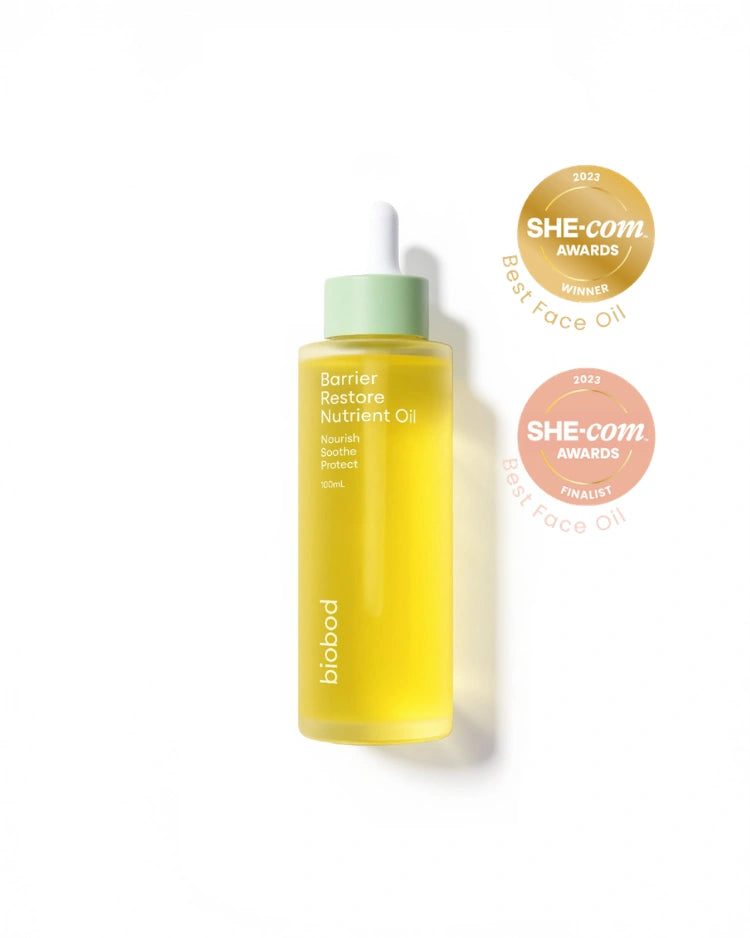
biobod is not endorsed by any of the organisations referenced in this article. But when we formulated the Barrier Restore Nutrient Oil, we followed the same principles:
- fragrance-free and essential oil-free
- led by plant-derived squalane, with jojoba, hemp seed, grapeseed, meadowfoam and oat kernel oils
- every ingredient rated 0 to 1 on the comedogenic scale
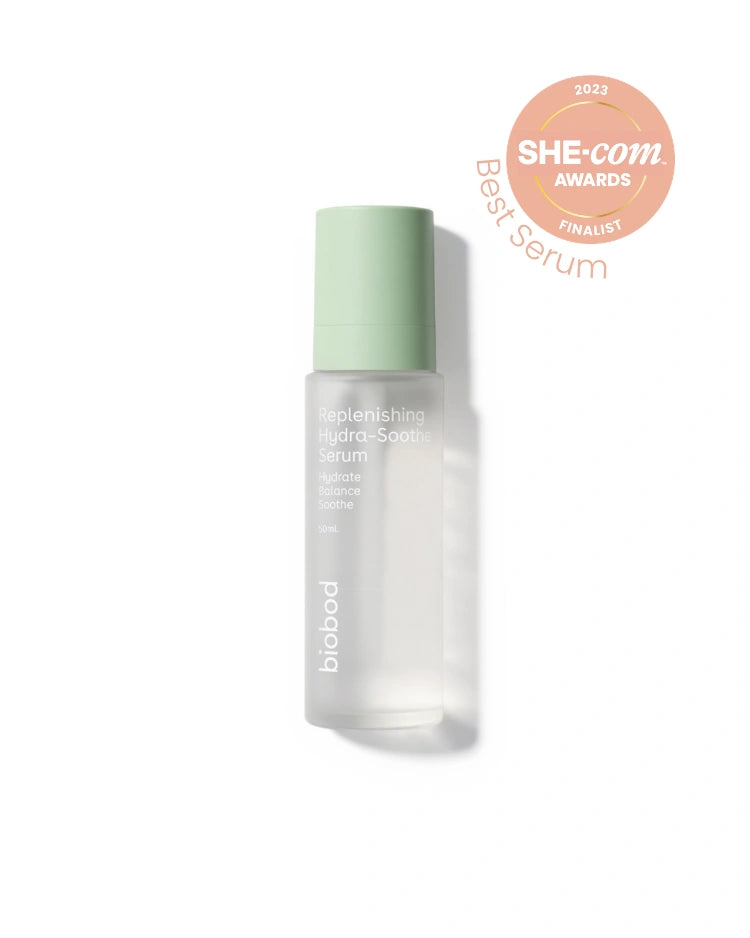
- designed to be applied to damp skin, over our water-based Replenishing Hydra-Soothe Serum
- every ingredient screened against the EWG Skin Deep database, with each formula separately reviewed for common allergens
Recommended biobod products
Fragrance-free oil
Barrier Restore Nutrient Oil

Best for: Sensitive skin that needs a well-tolerated, fragrance-free oil.
Squalane, jojoba and seed oils, with no fragrance or essential oils.
Explore the OilHydrate first
Replenishing Hydra-Soothe Serum

Best for: The hydration step before your oil.
A fragrance-free, water-based serum with hyaluronic acid and glycerin.
Explore the SerumTry it first
Discovery Set

Best for: Patch testing and trying one product at a time.
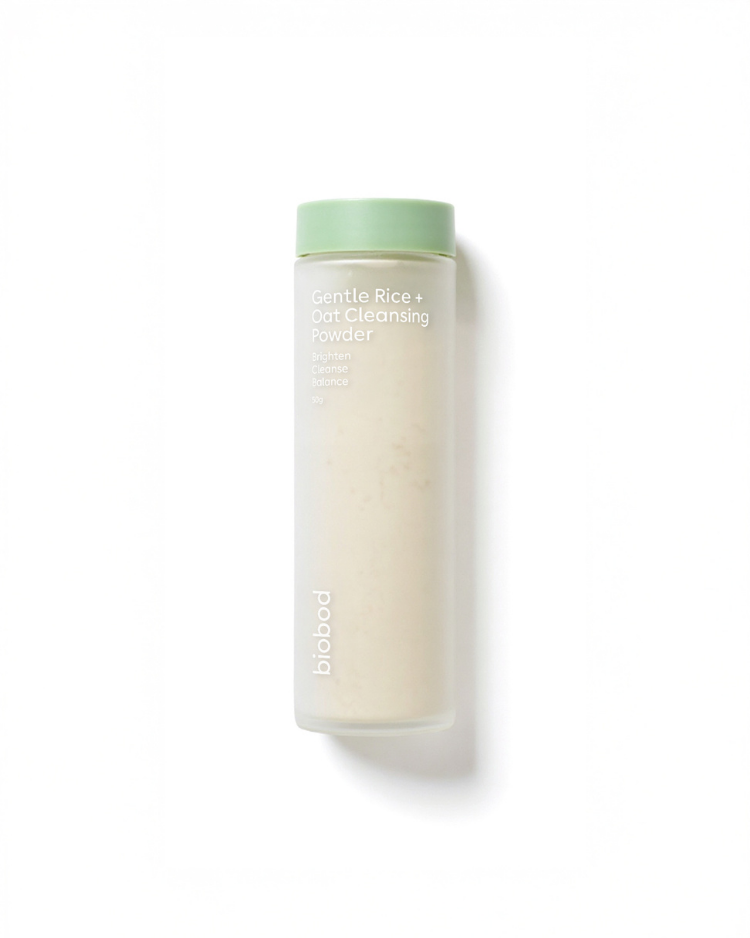
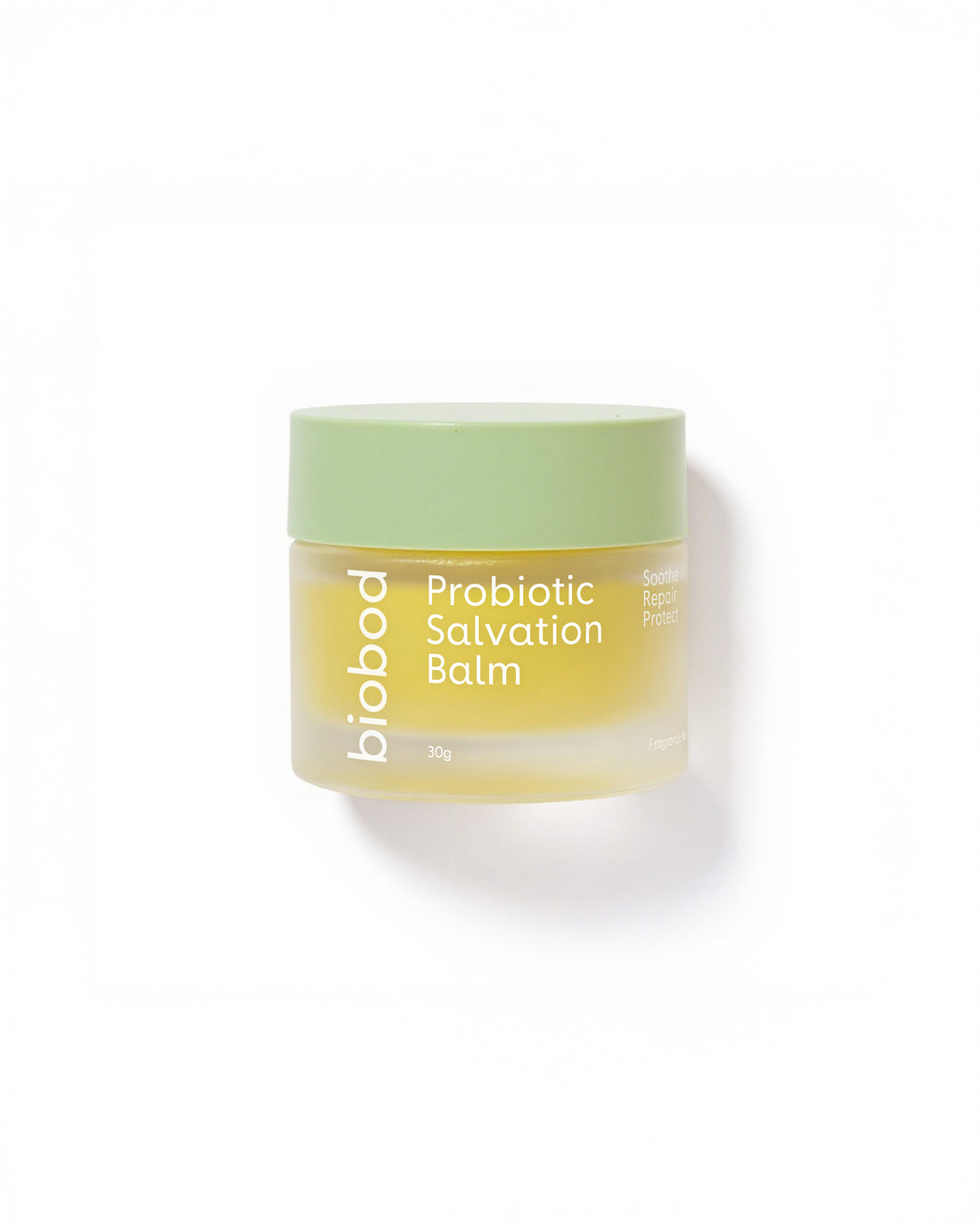
Trial sizes of our cleanser, serum, oil and balm.
Explore the Discovery SetRelated reading
- Do I Need a Face Oil If I Already Use Moisturiser?
- Best Face Oil for Sensitive Skin in Australia
- Are Essential Oils Good for Skin?
- Squalane Oil for Face: Why This Skin-Identical Oil Suits Sensitive Skin
- Skincare Ingredients to Avoid
FAQs
Do dermatologists recommend face oils?
Many do, for the right skin and the right oil. Dermatology guidance commonly includes oils such as jojoba among ingredients that help dry skin, and recommends choosing fragrance-free products and applying them to damp skin.
What is the best face oil a dermatologist recommends?
There is no single face oil recommended for everyone. Look for one that is fragrance-free and essential oil-free, made with well-tolerated oils such as jojoba or squalane, and apply it over damp skin or a hydrating serum.
Why do some dermatologists caution against face oils?
The caution is usually about specific ingredients rather than oils in general. Essential oils and fragrance are common irritants, some plant oils such as olive oil may weaken the skin barrier, and heavy oils can feel congesting for some skin types.
Should I see a dermatologist before using a face oil?
Most people can introduce a fragrance-free face oil by patch testing and adding it on its own. If you have persistent redness, stinging, breakouts or reactions to many products, speak with your GP, who can refer you to a dermatologist.
What do skincare experts say about using face oil with moisturiser?
The common advice is to apply water-based products first and oil last, straight after cleansing while skin is damp, starting with a few drops. In Australia, finish with a broad-spectrum SPF50 or SPF50+ sunscreen in the morning.
You do not need a dermatologist's permission to use a face oil. But their guidance is a useful filter: fragrance-free, well-tolerated ingredients, damp skin and a slow introduction.
Apply those rules to any face oil and you will be choosing with far more confidence.
Start simply: Explore the Barrier Restore Nutrient Oil, pair it with the serum in the Glow Set, or begin with trial sizes in the Discovery Set.
References
- American Academy of Dermatology. Dermatologists' top tips for relieving dry skin.
- DermNet. Emollients and moisturisers.
- Danby SG, et al. Effect of olive and sunflower seed oil on the adult skin barrier: implications for neonatal skin care. Pediatric Dermatology. 2013;30(1):42-50.
- Cancer Council Australia. About sunscreen.
This article summarises general, publicly available dermatology guidance for educational purposes. It is not medical advice, and none of the organisations referenced endorse biobod or its products. biobod screens ingredients against information in the EWG Skin Deep database as part of its own formulation process. This does not imply that EWG has certified or endorsed biobod or its finished products.