
Last updated: September 2026 · Estimated reading time: 6 minutes
By Natalie, Founder of biobod
Face oils and moisturisers often sit side by side on the shelf, and both promise softer, more comfortable skin. So it is easy to assume they do the same job.
They do not. They are built differently, they behave differently on your skin and they suit different needs. Once you understand the difference, it becomes much easier to choose what your skin actually needs, rather than buying both and hoping for the best.
Key takeaways
- A moisturiser is a blend of water and oil held together by an emulsifier. A face oil is waterless.
- Moisturisers add hydration and soften the skin. Face oils soften and help reduce moisture loss.
- You can usually tell which is which from the first ingredient on the label: water (aqua) or an oil.
- Creams give a fixed balance of water and oil. Oils let you adjust how much nourishment your skin gets.
- For sensitive skin, what is added to either product, such as fragrance, often matters more than the format.
Table of contents
- What is the difference between a face oil and a moisturiser?
- How moisturisers are made
- How face oils are made
- How to tell them apart on the label
- Are face oils better than moisturisers?
- Is it better to use oil or cream on your face?
- Face oil vs moisturiser in the Australian climate
- Where biobod sits
- Recommended biobod products
- FAQs
What is the difference between a face oil and a moisturiser?
A moisturiser contains water and oil. A face oil contains only oils and oil-soluble ingredients.
That single difference shapes everything else: how each product feels, what it does on your skin, how it needs to be preserved and where it belongs in your routine.
Skincare ingredients that care for dry or uncomfortable skin generally fall into three groups:
- Humectants such as glycerin and hyaluronic acid draw water into the upper layers of the skin.
- Emollients such as squalane and plant oils soften and smooth the skin surface.
- Occlusives such as waxes and butters form a layer that slows water loss.
A moisturiser usually contains all three. A face oil is mostly emollient, with some ability to slow water loss, and it contains no humectants that rely on water.
How moisturisers are made
Water and oil do not naturally mix. To turn them into a smooth cream or lotion, formulators use an emulsifier, an ingredient that holds tiny droplets of oil evenly through the water (or water through the oil).
The ratio decides the texture. More water gives a light lotion or gel cream. More oil and wax gives a rich cream or balm-like texture.
Because moisturisers contain water, they also need a preservative system to protect them from bacteria, yeast and mould once opened. This is essential for safety. It also means a moisturiser carries more supporting ingredients than a simple oil, which is worth knowing if your skin reacts to particular emulsifiers or preservatives.
How face oils are made
A face oil is a blend of oils, sometimes with oil-soluble extras such as vitamin E. There is no water, no emulsifier and no thickener.
Face oils differ widely depending on which oils are used. Some, such as squalane and jojoba, feel light and absorb quickly. Others, such as some nut and seed butters, feel richer and sit on the skin for longer.
Because there is no water, a face oil does not need the same preservation system as a cream. Antioxidants such as vitamin E are often added to help keep the oils fresh.
Myth: Face oil and moisturiser are two versions of the same thing.
Fact: A moisturiser adds water and holds it in. A face oil adds lipids and helps hold existing moisture in. That is why a face oil works best on damp skin or over a water-based serum, while a moisturiser can be used on its own.
How to tell them apart on the label
Ingredients are listed in descending order of concentration, so the first few tell you a lot.
| What to look for | Moisturiser | Face oil |
|---|---|---|
| First ingredient | Usually aqua (water) or a floral water | An oil, such as squalane or jojoba seed oil |
| Emulsifiers | Present (for example glyceryl stearate or cetearyl olivate) | None |
| Preservatives | Required | Not usually required; antioxidants such as tocopherol are common |
| Humectants | Common (glycerin, hyaluronic acid) | Not present |
| Texture in the hand | Lotion, gel cream or cream | Liquid oil |
Whichever you choose, also check for fragrance, "parfum" and essential oils. For sensitive skin, these are often a bigger consideration than the format itself. Our clean beauty ingredient checklist covers what else to look for, and our ingredient glossary explains common ingredients such as squalane and hyaluronic acid.
Are face oils better than moisturisers?
Not as a category. Each suits different skin and different routines, and a well-made version of either can be a good choice.
A face oil may suit you better if you want to adjust how much nourishment your skin gets day to day, prefer fewer supporting ingredients, or find creams feel heavy yet still leave your skin tight.
A moisturiser may suit you better if you want a single step, prefer the feel of a cream, or do not use a separate hydrating serum.
For a closer look at what a well-formulated, barrier-focused oil contains, read why your skin needs a barrier-supporting face oil blend.
Is it better to use oil or cream on your face?
It depends on what your skin is asking for.
An oil may suit you if
Your skin feels dry or tight but creams feel heavy. You already use a hydrating serum. You like to adjust your routine with the seasons. You react to some emulsifiers or preservatives.
A cream may suit you if
You want one product that hydrates and softens. You do not use a serum. You prefer a cushioned feel. Your current moisturiser keeps your skin comfortable all day.
If you are unsure whether you need both, our guide do I need a face oil if I already use moisturiser? walks through it.
Face oil vs moisturiser in the Australian climate
Australian conditions swing a long way. A humid Brisbane summer, a dry Melbourne winter and a day in air-conditioning can each leave your skin feeling very different.
This is where format matters. A cream gives you the same balance of water and oil every time. A serum and oil routine lets you change the balance: a little more serum when the air is dry, a drop less oil on humid days, a drop more when heating or air-conditioning leaves your skin feeling tight.
Whatever you use, sunscreen is your final step in the morning. Cancer Council Australia recommends an SPF50 or SPF50+, broad-spectrum, water-resistant sunscreen whenever UV levels are 3 or above.
Where biobod sits
biobod does not make a moisturiser. We separate the two jobs a moisturiser usually does into two products:
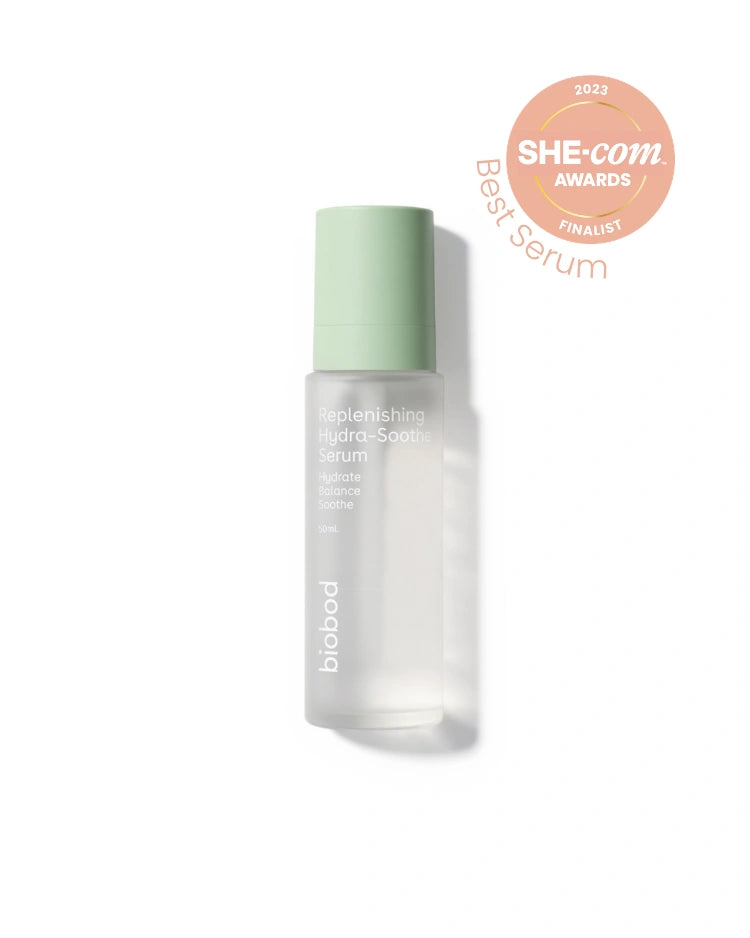
- Hydrate with the Replenishing Hydra-Soothe Serum, a water-based, oil-free serum with hyaluronic acid, sodium PCA and glycerin.
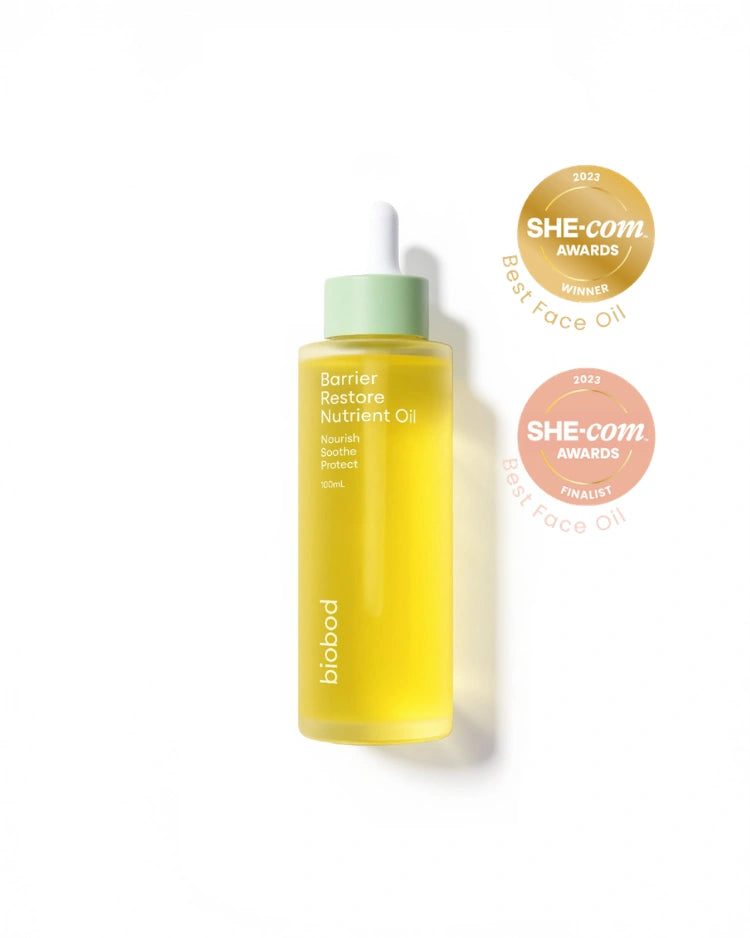
- Nourish with the Barrier Restore Nutrient Oil, a waterless blend led by plant-derived squalane, with jojoba, hemp seed, meadowfoam and oat kernel oils, vitamin E and totarol.
Both are fragrance-free and essential oil-free. Every ingredient in the oil has a comedogenic rating of 0 to 1. This is our approach for our own formulas, not a verdict on every moisturiser. We simply found that separating hydration from nourishment gave sensitive skin more flexibility.
If your skin is persistently red, stinging or flaking, please speak with your GP or a dermatologist before changing your routine.
Recommended biobod products
Waterless nourishment
Barrier Restore Nutrient Oil

Best for: Skin that feels dry or tight but finds creams heavy.
A fragrance-free, essential oil-free blend of squalane and plant oils, applied as the final step.
Explore the OilHydrate + nourish
Glow Set: Hydrate & Nourish

Best for: A two-step alternative to a traditional moisturiser.
The full-size serum and oil together, so you can adjust hydration and nourishment separately.
Explore the Glow SetStart gently
Discovery Set

Best for: Trying the serum and oil before committing to full sizes.
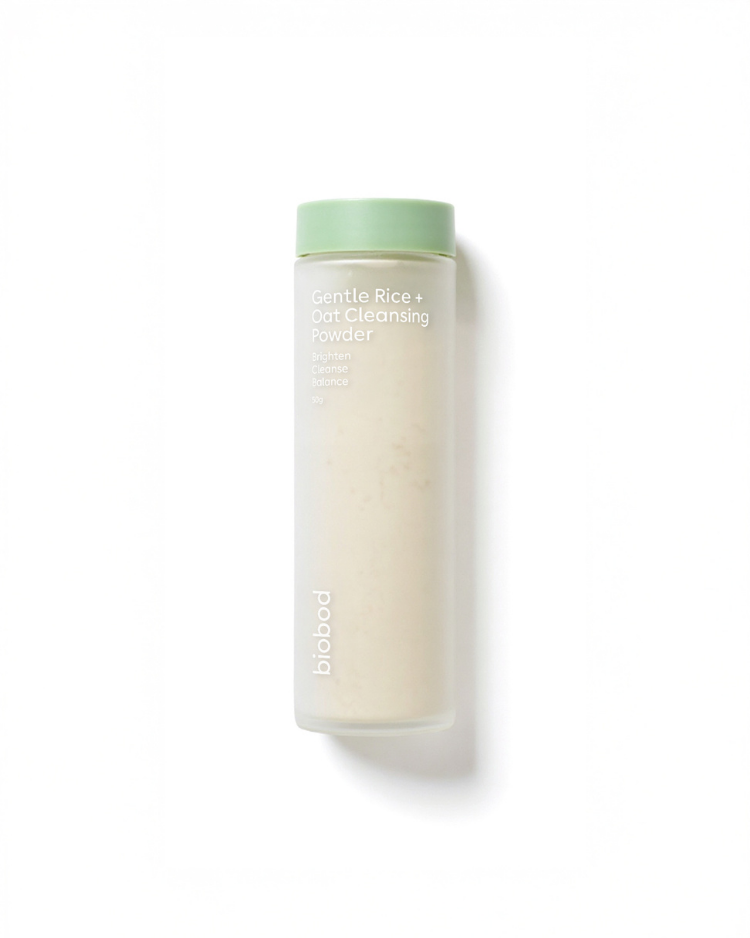
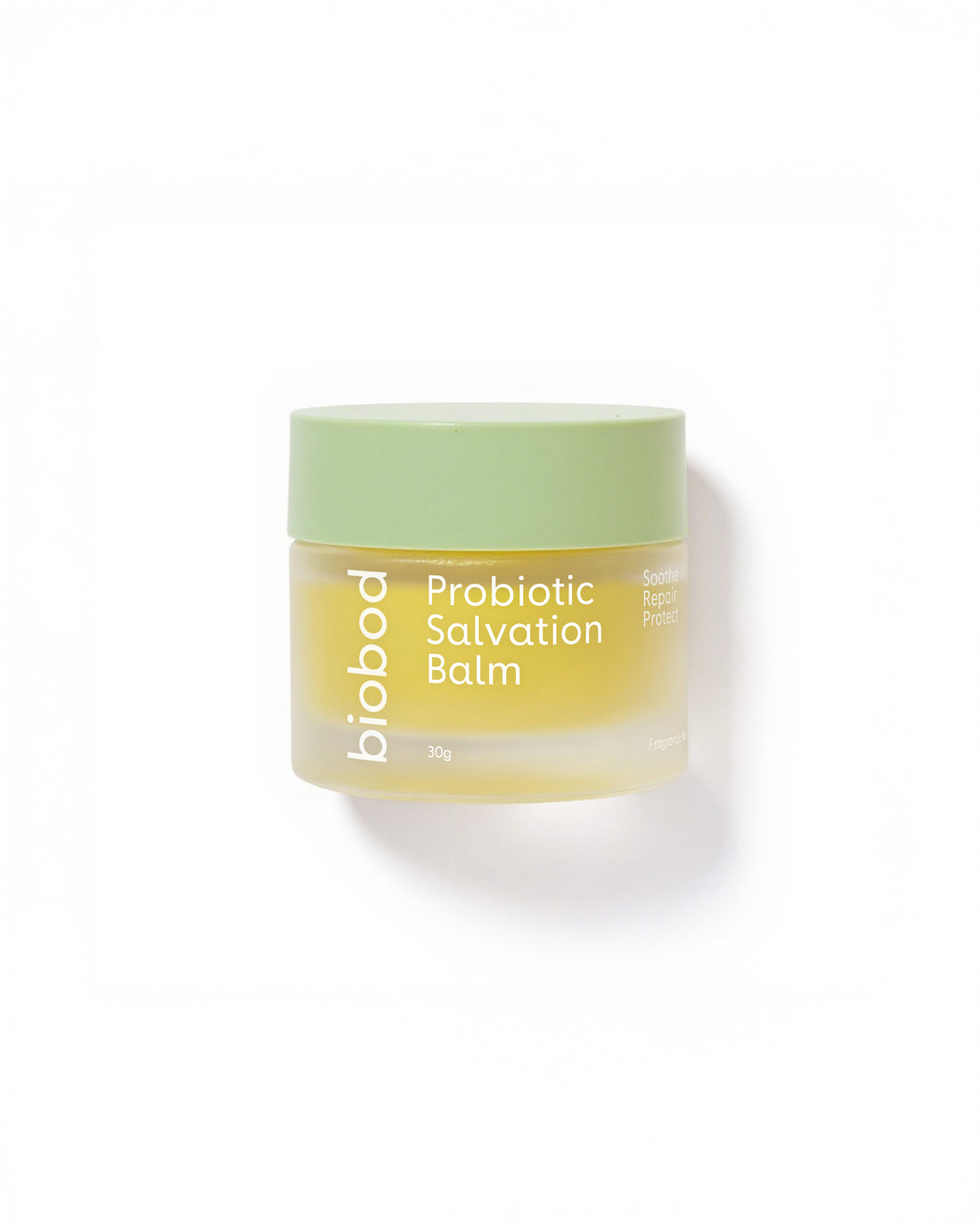
Trial sizes of our cleanser, serum, oil and balm, for a low-risk introduction to the range.
Explore the Discovery SetRelated reading
- Do I Need a Face Oil If I Already Use Moisturiser?
- Barrier Repair Face Oil: Why Your Skin Needs This Blend
- Squalane Oil for Face: Why This Skin-Identical Oil Suits Sensitive Skin
- How to Retain Moisture in Skin Naturally
- The Clean Beauty Ingredient Checklist for Sensitive Skin
FAQs
What is the difference between a facial oil and a cream moisturiser?
A cream moisturiser is an emulsion of water and oil, so it hydrates and softens in one step. A facial oil contains no water. It softens the skin and helps reduce moisture loss, but it does not add hydration on its own.
Are face oils better than moisturisers?
Not as a category. A face oil suits people who want to adjust nourishment separately or prefer fewer supporting ingredients. A moisturiser suits people who want one step. The quality of the formula matters more than the format.
Is it better to use oil or cream on the face?
Use an oil if your skin feels dry but creams feel heavy, or if you already use a hydrating serum. Use a cream if you want a single product that hydrates and softens. For sensitive skin, choose a fragrance-free option either way.
How can I tell if a product is a moisturiser or an oil from the label?
Check the first ingredient. Moisturisers usually start with water (aqua) and contain emulsifiers and preservatives. Face oils start with an oil, such as squalane or jojoba seed oil, and contain no water.
Is face oil or moisturiser better for humid weather?
In humid weather, many people prefer a light water-based serum with only a few drops of a lightweight oil, or a gel-textured moisturiser. The advantage of a serum and oil routine is that you can reduce the oil on humid days and add more when the air is dry.
Face oils and moisturisers are not rivals. They are different tools.
Once you know what each one does, you can choose the one that fits your skin, or combine a serum and oil for a routine you can adjust as your skin changes.
Try a waterless oil: Explore the Barrier Restore Nutrient Oil, pair it with the Replenishing Hydra-Soothe Serum in the Glow Set, or start smaller with the Discovery Set.