
By Natalie, Founder of biobod · Last updated: August 2026
Healthy skin is not the same as flawless skin. Real skin has pores, texture, and the occasional breakout. Healthy skin is skin that feels comfortable, holds moisture well, recovers from everyday stress and is not constantly red, tight or reactive. That's a goal worth having and, happily, a gentler one than chasing perfection.
This guide discusses what healthy skin actually is, how to tell if yours is healthy, and how to get and keep it from the inside and the outside.

You can download your FREE Healthy Skin e-Book here.
Healthy skin means comfortable, resilient and balanced not poreless or perfect.
The foundations are a strong skin barrier, good hydration and a balanced skin microbiome.
Gentle and consistent skin routine beats harsh and complicated; No 10 step skincare routine required, over-cleansing and over-exfoliating are common causes of unhealthy-feeling skin.
Skin is supported from the inside (food, sleep, hydration, stress) and the outside (gentle skincare, sun protection).
Persistent, painful or changing skin concerns deserve a healthcare professional, not guesswork.
What is healthy skin?
Healthy skin is skin that is doing its job well. Its outer layer, the skin barrier holds water in and keeps irritants out, so skin stays comfortable and hydrated. Its surface hosts a balanced community of microorganisms (the skin microbiome) that form part of its natural defence. When these are working, skin generally feels calm, supple and even, and it bounces back from everyday stress like weather, friction or a late night.

Healthy skin is not defined by being pale, poreless or shine-free. It comes in every tone and type, and it can still have visible pores, some texture and the odd blemish.
Why is healthy skin important?
Beyond how it looks, your skin is your largest organ and your first line of defence. It protects you from the environment, helps regulate temperature and holds moisture in. Skin that's comfortable and resilient does that job better and feels better to live in. Healthy skin is also lower-maintenance: a strong barrier reacts less, so you need fewer products and less troubleshooting.
What does healthy skin look like? Signs of healthy skin
There's no single "correct" look, but healthy skin tends to share a few signals: it feels comfortable rather than tight, looks fairly even in tone, feels supple and bounces back when pressed, isn't persistently red, flaky or itchy, and has a soft natural radiance rather than a high shine. A useful sign is what your skin doesn't do, it doesn't sting when you apply products, and it doesn't flush at the smallest change.
For the full checklist, including what unhealthy skin can look like and the myth that healthy skin must be shine-free, see what does healthy skin look like.
Healthy skin vs damaged skin
Damaged or compromised skin usually shows up as the opposite of the signs above: tightness after cleansing, stinging, redness that comes and goes, dryness alongside congestion, flaking, or skin that suddenly reacts to products it used to tolerate. The most common causes are over-cleansing, over-exfoliation, harsh or fragranced products and sun exposure, most of which are fixable. We cover the differences and how skin becomes damaged in healthy skin vs damaged skin.
How do you get healthy skin?
The honest answer is not a single hero product, it's a handful of gentle, consistent habits. Here are the foundations.
Keep your routine simple
Healthy skin usually needs less, not more.
A gentle, non-stripping cleanser, a hydrating step, a barrier-supportive moisturiser or oil, and daily sun protection will do more than a ten-step routine full of actives.
Over-cleansing and layering strong ingredients are two of the fastest ways to make skin reactive. The full step-by-step is in our simple daily routine for healthy skin, which builds on our guide to cleansing sensitive skin.
Support your skin barrier
A strong barrier is the foundation of healthy skin. Support it by avoiding harsh cleansers and over-exfoliation, and by using barrier-friendly ingredients like squalane, fatty acids and colloidal oat. More in what is a healthy skin barrier.
Hydrate, inside and out
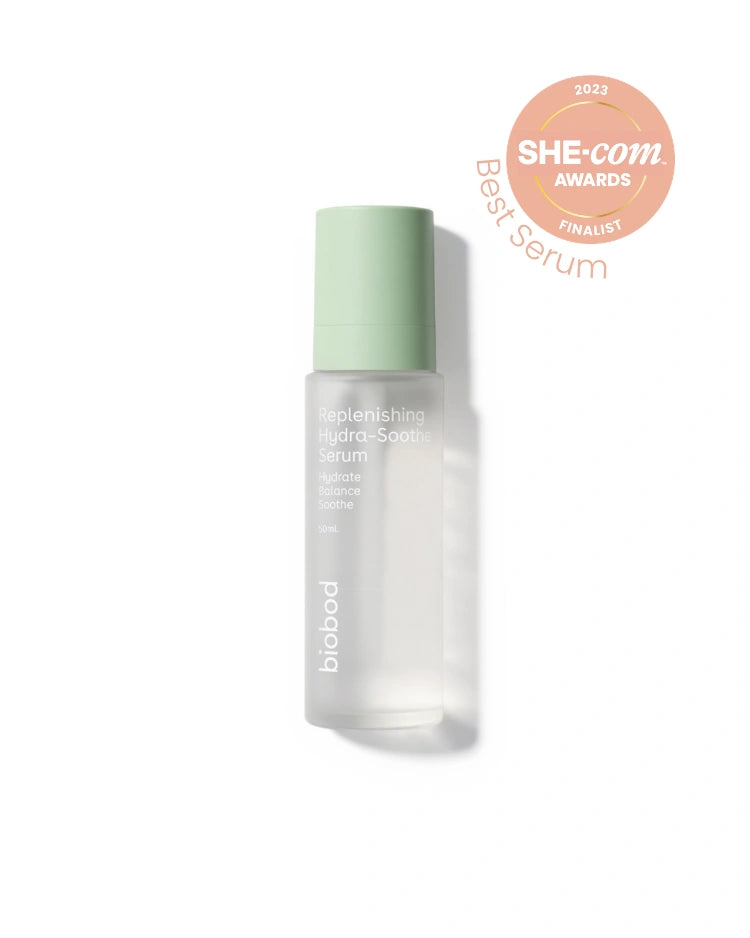
Hydrated skin is more comfortable and resilient. Drink enough water, and use humectants like hyaluronic acid topically to draw moisture into the skin. An oil-free, weightless serum such as the Replenishing Hydra-Soothe Serum hydrates without heaviness. Why it matters is covered in why hydration matters for healthy skin and how to hydrate skin properly.
Look after your skin microbiome
Your skin's surface community thrives when you cleanse gently rather than stripping it back. Choosing microbiome-friendly, non-stripping products helps keep it balanced. More in how to promote a healthy skin microbiome.
Feed your skin from within
What you eat supports skin as part of general wellbeing. Fibre-rich wholefoods, colourful plants, fermented foods and enough water are the beautifully ordinary foundations, variety and consistency matter more than any single "superfood". See what to eat for healthy skin and the gut–skin axis.
Protect from the sun
Daily mineral sun protection is one of the most important things you can do for long-term skin health. Use a broad-spectrum SPF50+ that suits your skin, and combine it with shade and a hat during peak UV.
Be consistent, and go gently
Skin responds to steady, repeatable habits far more than to dramatic overhauls. Introduce one product at a time, patch test, and give changes a few weeks.
How to get healthy skin naturally
You don't need a cabinet full of products to have healthy skin. Much of skin health comes from good habits like sleep, hydration, sun protection, gentle cleansing and a balanced diet rather than from any single item.
Healthy skin over perfect skin: can healthy skin have acne?
Yes, healthy skin can still have the occasional breakout. Healthy skin is about comfort and resilience, not a flawless surface, and skin that's clear isn't automatically healthy (it can be clear but stripped and reactive). Chasing "perfect" skin with aggressive routines often makes skin less healthy. We unpack this, and the difference between healthy and clear skin, in can healthy skin have acne.
Healthy skin at every age
Healthy skin looks a little different at 20, 40 and 60 and that's completely normal. The goal shifts from "flawless" to comfortable, resilient and well-supported skin at every stage, with hydration and barrier care doing the heavy lifting. For what changes and how to support skin as it matures, see healthy skin at every age.
Where to start
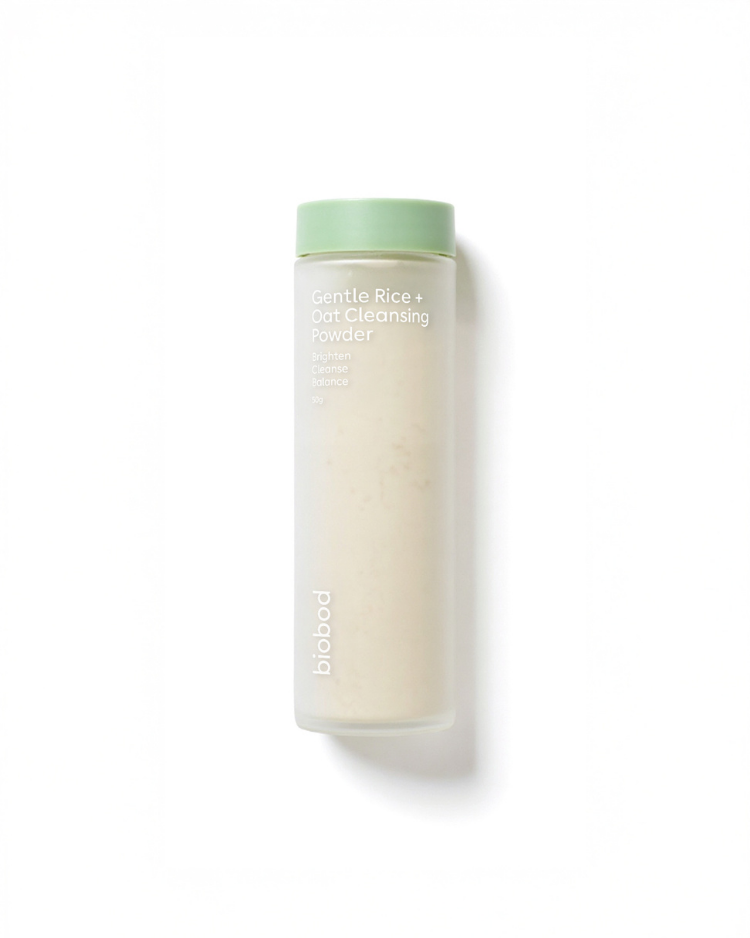
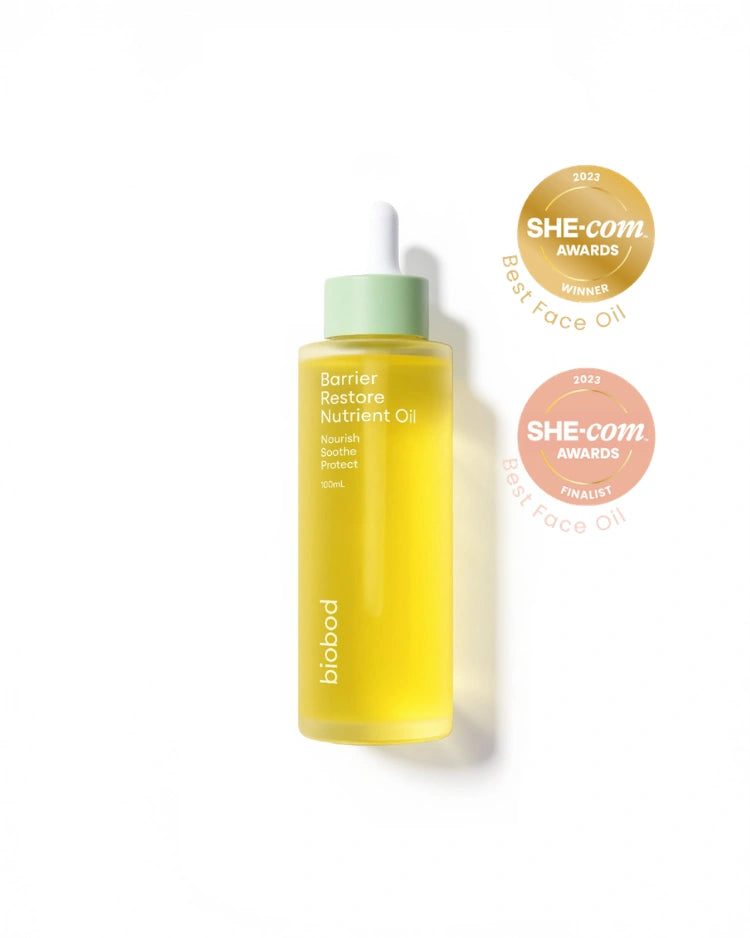
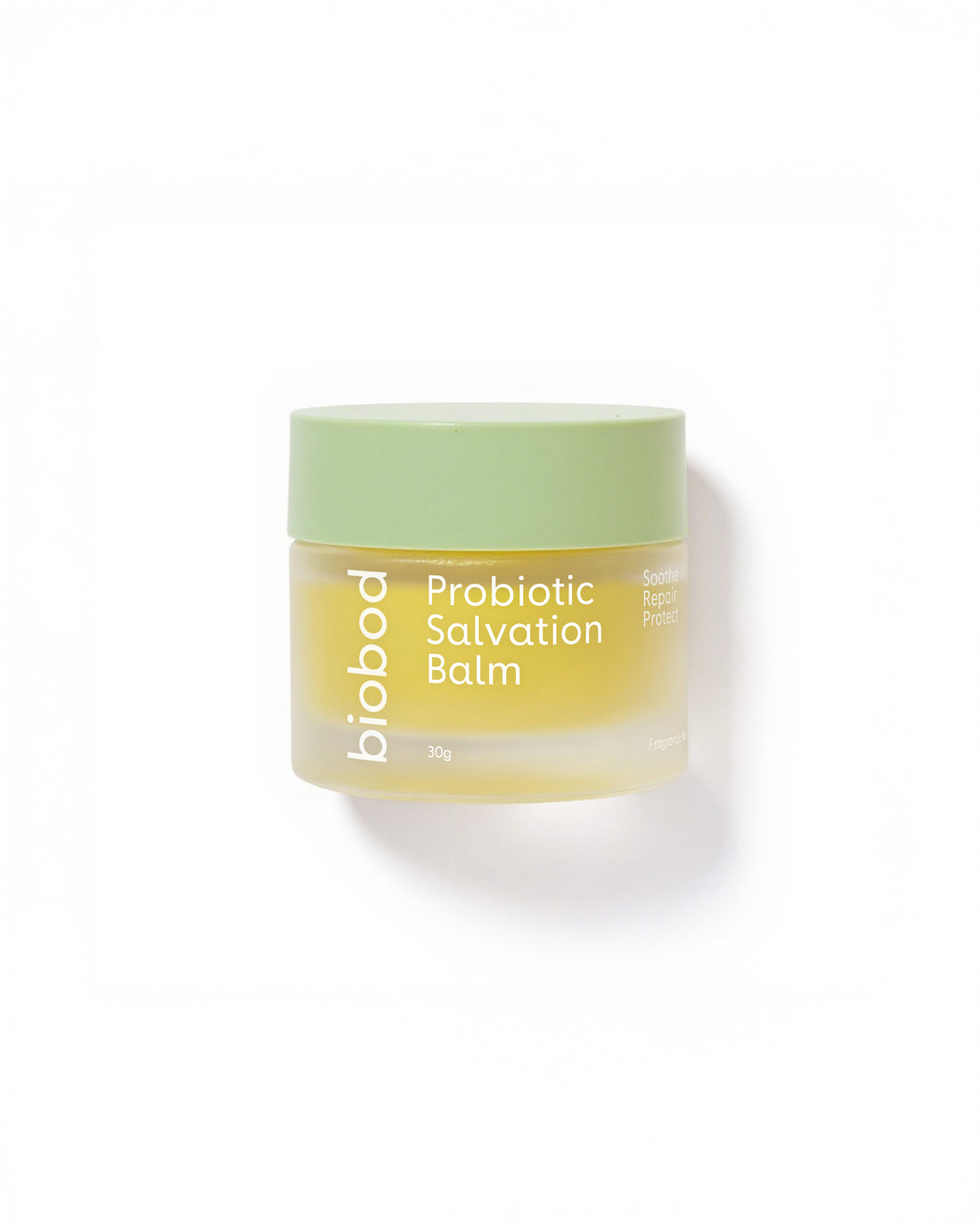
If you'd like a gentle, sensitive-skin-friendly place to begin, biobod's range is built around exactly these foundations, a non-stripping cleanse, lightweight hydration and barrier support, all fragrance-free. The Discovery Set is an easy, lower-commitment way to start a simple routine and see how your skin responds over a few weeks. For a fuller line-up, see our picks in best skincare for healthy skin in Australia.
Healthy skin isn't a finish line or a filter. It's the quiet result of treating your skin gently and consistently and letting it get on with doing what it already knows how to do.
Recommended biobod products
Best place to start
Discovery Set

A lower-commitment way to start a simple routine and see how your skin responds over a few weeks.
Explore the Discovery SetLightweight hydration
Replenishing Hydra-Soothe Serum

Oil-free, weightless hydration that supports comfortable, well-hydrated skin without heaviness.
Explore the SerumFrequently asked questions
How do I make my skin healthier?
Keep your routine simple and non-stripping, support your skin barrier, hydrate inside and out, protect your skin from the sun daily, eat for general wellbeing, and be consistent. Less and gentler usually beats more and stronger.
What does healthy skin look like?
Healthy skin feels comfortable rather than tight, looks fairly even, feels supple and bounces back, isn't persistently red, flaky or itchy, and has a soft natural radiance. It can still have pores, texture and the occasional blemish.
How can I get healthy skin naturally?
Much of skin health comes from habits — sleep, hydration, sun protection, gentle cleansing and a balanced diet — rather than any single product. A minimal routine and consistency go a long way.
Why is healthy skin important?
Your skin is your largest organ and first line of defence. Skin that's comfortable and resilient protects you better, holds moisture better and needs less troubleshooting.
Can healthy skin have acne?
Yes. Healthy skin is about comfort and resilience, not a flawless surface, so the occasional breakout doesn't mean your skin is unhealthy. Clear skin isn't automatically healthy either.
How long does it take to get healthy skin?
Skin responds to consistent habits over weeks, not overnight. Introduce changes one at a time and give your skin a few weeks to respond before adjusting.
This article is general information, not medical advice. See a healthcare professional for a persistent or severe skin concern.