
Last updated: August 2026 · Estimated reading time: 9 minutes
By Natalie, Founder of biobod
Clean beauty changed the way people shop for skincare. It encouraged us to question ingredients, read labels and think more carefully about what we use every day. It also pushed the beauty industry towards greater transparency.
But the first phase of clean beauty was largely focused on removal. What does the product leave out? Is it natural? Is it plant-based? Does it avoid a particular list of ingredients?
For sensitive skin, those questions are only the beginning. The next evolution of clean beauty is not simply about finding the most natural formula. It is about finding products that are clean, carefully formulated and compatible with the way skin is naturally constructed. This is where skin-identical skincare comes in.
Key takeaways
- Skin-identical ingredients are designed to resemble substances naturally found in the skin or its barrier.
- Natural does not automatically mean gentle, safe or suitable for reactive skin.
- Clean beauty and sensitive-skin suitability are related, but they are not the same standard.
- Barrier-supportive ingredients can be more useful than simply adding stronger active ingredients.
- No skincare product can guarantee zero reactions, so patch testing still matters.
- A clean, skin-identical routine should be simple, coherent and introduced gradually.
Table of contents
- What is skin-identical skincare?
- Why sensitive skin does not always want more
- Natural and skin-compatible are not the same thing
- Clean and allergen-conscious are not the same claim
- Is skin-identical skincare completely reaction-free?
- The role of the skin barrier
- What should you look for in modern clean skincare?
- Clean skincare should still be beautiful to use
- The biobod approach
- How do you start a clean, skin-identical routine?
- Recommended biobod products
- FAQs
What is skin-identical skincare?
Skin-identical ingredients are designed to resemble substances naturally found in the skin or within its protective barrier. Depending on the formula, this can include lipids, fatty acids, amino acids, squalane and other components that support the skin’s structure and function.
You may also see terms such as biocompatible or bioidentical skincare. These terms can be used differently between brands, so the ingredient list and complete formulation still matter. The central idea is simple: instead of overwhelming the skin with more stimulation, skin-identical skincare aims to work alongside its existing biology.
Why sensitive skin does not always want more
The skincare industry has taught us to associate results with intensity. A product is working if it tingles. A peel is effective if the skin flakes. A serum is powerful if it contains the highest possible concentration.
But sensitive skin often tells a different story. When the skin barrier is compromised, stronger is not always better. Constant exfoliation, active layering and frequent product changes can make the skin increasingly reactive.
The answer is not necessarily to abandon effective skincare. It is to choose formulas that provide support without introducing unnecessary friction. Good skincare should help your skin become more resilient over time, not make you afraid to miss one night of your routine.
Natural and skin-compatible are not the same thing
Nature produces many extraordinary ingredients. It also produces fragrance compounds, allergens and highly active substances. A natural ingredient may be beneficial for one person and irritating for another. This is especially common with concentrated aromatic ingredients such as essential oils.
By contrast, an ingredient created or purified in a laboratory is not automatically harsh or unsafe. The source of an ingredient tells only part of the story. Purity, concentration, stability, formulation and individual tolerance all affect how it behaves on the skin.
This is why we believe the future of clean beauty for sensitive skin sits between nature and science. It takes inspiration from the natural composition of healthy skin, then uses careful formulation to create something consistent, gentle and effective.
Myth: Natural ingredients are always safer for sensitive skin.
Fact: Natural ingredients can still contain fragrance compounds, allergens or highly active components. Skin compatibility depends on the complete formula, not only where an ingredient comes from.
Clean and allergen-conscious are not the same claim
A product may meet a clean beauty standard while still containing ingredients that cause irritation or allergic reactions in some people. Ingredient hazard, irritation and allergy are related considerations, but they are not interchangeable.
At biobod, every ingredient is screened against the EWG Skin Deep database and selected for a low hazard score. The formula is then separately considered for common allergens and potential irritants, including fragrance and essential oils.
This additional step matters because highly reactive skin often needs more than a broad clean beauty promise. It needs a formula designed with sensitivity in mind from the beginning. For a practical label-reading guide, see our clean beauty ingredient checklist.
Is skin-identical skincare completely reaction-free?
No skincare product can guarantee that every person will tolerate it. Sensitive skin is personal. People can react to ingredients considered gentle, just as they may comfortably use an ingredient that someone else avoids.
Skin-identical formulation is not a promise of zero reactions. It is an approach that aims to reduce unnecessary irritants while supporting the skin with familiar, functional ingredients. This is also why patch testing and introducing products gradually remain important.
The role of the skin barrier
Your skin barrier is the outer protective layer that helps keep moisture in and environmental stressors out. When it is functioning well, the skin generally feels comfortable, flexible and balanced.
When it is disrupted, you may notice tightness, stinging, dryness, flaking, redness or increased sensitivity to products.
Skin-identical lipids and barrier-supportive ingredients can help create the conditions the skin needs to retain moisture and recover from everyday stress. But products are only one part of the picture.
Reducing over-cleansing, limiting unnecessary exfoliation and using daily sun protection can be just as important as selecting a new serum or moisturiser. Read more in our guides to the skin barrier and restoring the skin barrier.
What should you look for in modern clean skincare?
The most effective clean beauty routine is not always the one with the longest list of botanical extracts. For sensitive or reactive skin, look for the following:
| What to look for | Why it matters | What to check |
|---|---|---|
| Low-hazard ingredient selection | Shows the brand has a defined process for reviewing ingredients. | Look for an explanation of how ingredient safety is assessed. |
| Fragrance-free formulations | Fragrance can be a trigger for reactive skin. | Check for both artificial fragrance and essential oils. |
| Allergen-conscious formulation | Clean and allergen-conscious are not identical standards. | Look for clear language about common allergens and unnecessary triggers. |
| Barrier-supportive ingredients | Helps support moisture retention and skin comfort. | Look for lipids, fatty acids, amino acids, squalane and hydrating ingredients. |
| A considered number of actives | More active ingredients do not automatically mean better results. | Choose balanced formulas rather than products trying to do everything at once. |
| Clear ingredient information | Transparency helps you understand why each ingredient is included. | Avoid relying only on fear-based “free-from” marketing. |
| Products that work together | A coherent routine reduces repeated stripping, exfoliating or stimulation. | Each step should have a clear purpose. |
Clean skincare should still be beautiful to use
One of the challenges with fragrance-free and allergen-conscious skincare is creating products that still feel luxurious and smell pleasant. Removing fragrance does not automatically create an elegant formula.
Raw materials have their own natural aromas, and some sensitive-skin products can feel medicinal, heavy or uninspiring.
biobod spent three years refining its formulations, not only to meet its ingredient and allergen standards, but to create textures that absorb beautifully and products people enjoy using.
No masking fragrance was added to cover the ingredients. The formulas themselves had to be right. Sensitive skin should not have to choose between a considered ingredient list and a beautiful daily experience.
The biobod approach
biobod applies three separate filters to every formulation.
- Ingredient screening: Every ingredient is screened against the EWG Skin Deep database and selected for a low hazard score.
- Allergen and irritant review: Each formula is reviewed for common allergens and unnecessary irritants, including fragrance and essential oils.
- Texture, aroma and performance: Every product is refined until it feels beautiful to use and performs consistently.
This process took three years because we did not believe sensitive skin should have to settle for products that were clean on paper but unpleasant to use.
Our formulations are built around three connected foundations of skin health:
- The microbiome: Supporting the community of microorganisms that form part of the skin’s natural defence system. Learn more in our skin microbiome guide.
- The barrier: Helping the skin retain moisture and protect itself from external stressors.
- Visible inflammation: Calming the appearance of redness, discomfort and reactivity.
We do not believe clean beauty needs to reject science. We also do not believe clinical skincare needs to feel harsh. The goal is thoughtful skincare that works with sensitive skin rather than constantly challenging it.
How do you start a clean, skin-identical routine for easily irritated skin?
Begin simply and build slowly:
- Cleanse with a gentle, non-stripping cleanser.
- Hydrate with a calming, hydration-focused serum.
- Support the barrier with a moisturiser, facial oil or balm suited to your skin.
- Protect with daily sunscreen.
Introduce one product at a time, patch test and give your skin a couple of weeks to respond before adding anything else.
When your skin has been reactive for a long time, buying another full routine can feel like a risk. The biobod Discovery Set gives you a smaller introduction to the range, allowing you to begin a consistent routine and see how your skin responds over the following weeks.
Sensitive skin rarely changes overnight. Look for gradual signs such as less tightness, improved comfort and a routine that no longer feels like a daily negotiation.
Recommended biobod products
These products can help form a simple, barrier-focused routine for sensitive or reactive skin.
Start gently
Discovery Set

Best for: Introducing the biobod routine gradually before committing to full sizes.
A simple way to experience gentle cleansing, hydration and barrier support as a coordinated routine.
Explore the Discovery SetLightweight hydration
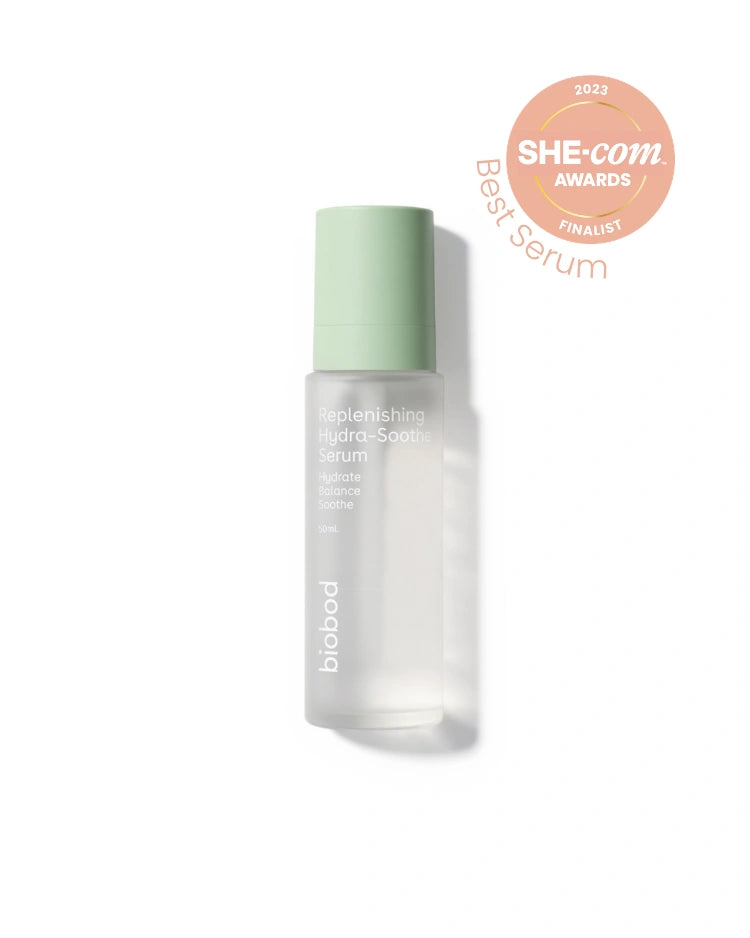
Replenishing Hydra-Soothe Serum

Best for: Skin that feels dehydrated, tight or easily overwhelmed by heavier products.
A weightless, oil-free serum designed to replenish moisture and support skin comfort.
Explore the Hydra-Soothe SerumBarrier support
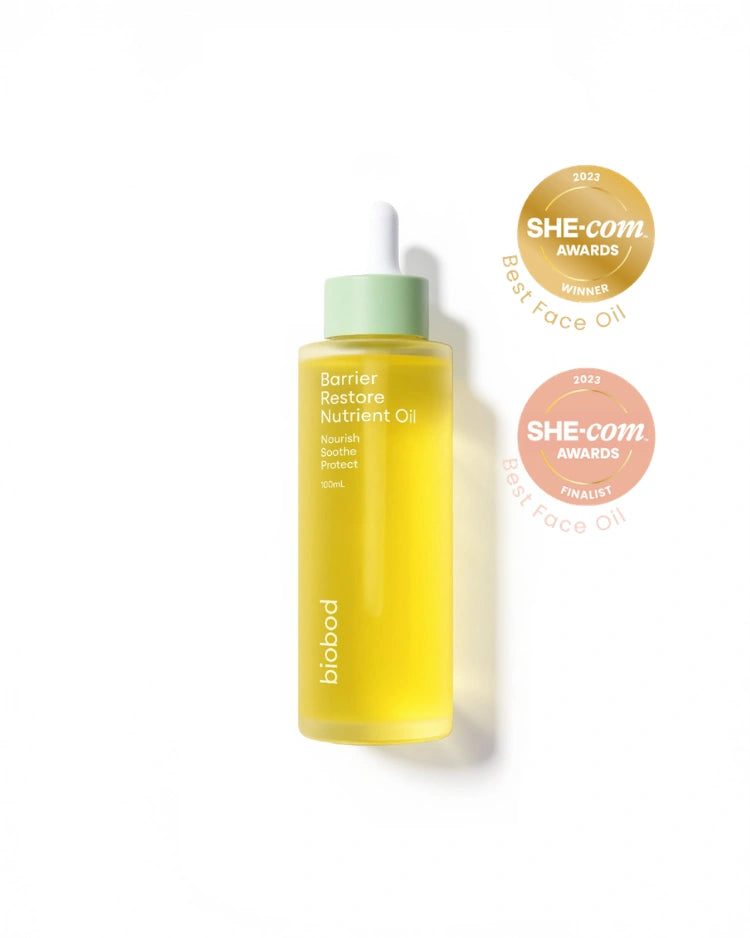
Barrier Restore Nutrient Oil

Best for: Dry, depleted or reactive-feeling skin that benefits from a nourishing finishing step.
A non-comedogenic facial oil formulated to support the skin barrier without unnecessary fragrance.
Explore the Nutrient OilSimple glow routine
Glow Set

Best for: A simple hydration and nourishment pairing for sensitive skin.
A considered two-step routine designed to support comfort, softness and a healthy-looking glow.
Explore the Glow SetRelated reading
- Sensitive Skin 101
- What Is the Skin Barrier?
- Restoring the Skin Barrier
- Squalane Oil for the Face
- Best Oil for Sensitive, Dry Skin
- The Skin Microbiome Explained
- Probiotic Skincare
- Why Does My Skin Get Red and Irritated?
- Are Essential Oils Good for Skin?
- Fragrance-Free Skincare for Sensitive Skin
- Clean Beauty Ingredient Checklist
- Why Clean Skincare Might Be Making Sensitive Skin Worse
FAQs
What is skin-identical skincare?
Skin-identical skincare is built around ingredients designed to resemble substances naturally found in the skin or its barrier, such as lipids, fatty acids, amino acids and squalane. The aim is to work alongside the skin’s biology rather than overwhelming it.
Is skin-identical skincare the same as clean beauty?
It builds on clean beauty. Clean beauty often focuses on what a product leaves out, while skin-identical skincare also focuses on including barrier-compatible ingredients and screening formulas for both ingredient hazard and common allergens.
What does clean beauty mean for extremely sensitive skin?
For very reactive skin, clean should mean considered rather than relying only on a “free-from” list. It includes low-hazard ingredient selection, genuinely fragrance-free formulation, screening for common allergens and barrier-supportive ingredients within a coherent routine.
Is skin-identical skincare reaction-free?
No product can guarantee zero reactions because sensitivity is personal. Skin-identical formulation aims to reduce unnecessary irritants while supporting the skin, which is why patch testing and introducing products gradually still matter.
How do I start a clean beauty routine for easily irritated skin?
Keep it simple with a gentle cleanser, a calming hydrating serum, a barrier-supportive moisturiser, facial oil or balm and daily sun protection. Introduce one product at a time, patch test and allow a couple of weeks to judge how your skin responds.
Is bioidentical skincare the same as skin-identical skincare?
The terms are sometimes used interchangeably, but brands may define them differently. Always look beyond the marketing term and assess the ingredient list, formula design and how clearly the brand explains its approach.
Which ingredients are commonly considered skin-identical?
Depending on the formulation, examples can include squalane, fatty acids, amino acids, ceramides and other lipids that resemble components found within the skin or its protective barrier.
Clean beauty helped the industry become more transparent. Skin-identical skincare takes the next step by asking not only whether an ingredient sounds clean, but whether the complete formula makes sense for sensitive skin.
The goal is not to reject nature or science. It is to use both thoughtfully, reduce unnecessary triggers and create a routine that feels supportive, consistent and beautiful to use.
Start with a simple routine: Explore the Discovery Set, Replenishing Hydra-Soothe Serum, Barrier Restore Nutrient Oil or Glow Set.
biobod screens ingredients against information in the EWG Skin Deep database as part of its own formulation process. This does not imply that EWG has certified or endorsed biobod or its finished products.