
Last updated 25 September 2026 · 9 minute read
By Natalie, Founder of biobod
Not every alcohol in skincare is bad for your skin. Drying alcohols like alcohol denat and isopropyl alcohol can leave skin tight and thirsty, especially when they sit near the top of an ingredient list. Fatty alcohols like cetyl alcohol soften skin, and glycols like butylene glycol help it hold water. The trick is reading the name, not just the word "alcohol".
Key takeaways
- There are four main families of alcohol in skincare: drying alcohols, fatty alcohols, preservative alcohols and glycols. They do very different jobs.
- Drying alcohols (alcohol denat, SD alcohol, ethanol, isopropyl alcohol) are the ones sensitive, dry and reactive skin should watch for.
- Fatty alcohols and glycols are generally skin-friendly. They soften, smooth and hydrate.
- Position matters. An alcohol listed in the first few ingredients is present in a much higher amount than one near the end.
- "Alcohol-free" has no single standard definition, so always check the ingredient list yourself.
Table of contents
- Is alcohol in skincare bad for your skin?
- What are the different types of alcohol in skincare?
- Other names for alcohol on an ingredient list
- Why do brands put alcohol in skincare?
- Does it matter where alcohol sits on the ingredient list?
- Is alcohol in skincare good for oily skin?
- Who should be most careful with drying alcohols?
- What does "alcohol-free" actually mean on a label?
- How biobod formulates
- FAQs
Is alcohol in skincare bad for your skin?
It depends entirely on which alcohol. In chemistry, "alcohol" describes a huge group of ingredients that share one small structural feature. Some of them evaporate in seconds and can take your skin's moisture with them. Others are waxy, softening ingredients that help a cream feel rich and smooth.
So when you see "alcohol" on a label, the useful question is not "is there alcohol in this?" It is "which alcohol, and how much?"
The alcohols that earn their bad reputation are the simple, volatile ones: ethanol, alcohol denat and isopropyl alcohol. Used high on an ingredient list, they can leave skin feeling tight, dry and more easily irritated, particularly if your skin barrier is already stressed.
What are the different types of alcohol in skincare?
Most alcohols you will find on a skincare label fall into one of four families.
Drying alcohols: alcohol denat, SD alcohol, ethanol and isopropyl alcohol
These are the light, fast-evaporating alcohols. Alcohol denat (denatured alcohol) is ethanol with an additive mixed in to make it undrinkable. In Australia, methylated spirits is a familiar example. SD alcohol ("specially denatured") followed by a number, such as SD alcohol 40, is the same idea with a specific additive.
Brands use them because they help a product dry quickly, feel weightless and leave a matte finish. The trade-off is that in higher amounts they can disrupt the natural oils that help your skin barrier hold on to water.
Fatty alcohols: cetyl, cetearyl, stearyl and behenyl alcohol
Fatty alcohols are usually made from plant oils such as coconut or palm. They are waxy solids that help soften skin, give creams and balms a smooth texture and keep water and oil blended together. Despite the name, they behave nothing like ethanol and are generally well tolerated, although a small number of people do react to them.
Preservative alcohols: phenoxyethanol, benzyl alcohol and phenethyl alcohol
Any product containing water needs protection from bacteria, yeast and mould. These alcohols help with that job and are used in small amounts. Phenoxyethanol is one of the most common cosmetic preservatives in the world and is permitted at up to 1% in the EU. Benzyl alcohol is also a declarable fragrance allergen in the EU, which is why some people with very reactive skin keep an eye out for it.
Glycols: butylene glycol, propanediol and pentylene glycol
Glycols are technically alcohols too, but they work as humectants. They help draw water into the skin, help plant extracts dissolve evenly and give serums a silky, easy-spreading feel. Some, like caprylyl glycol and 1,2-hexanediol, also help keep a formula fresh.
Other names for alcohol on an ingredient list
Use this table when you are reading a label. The ingredient name tells you which family it belongs to.
| Name on the label | Family | What it does | For sensitive skin |
|---|---|---|---|
| Alcohol denat, denatured alcohol, SD alcohol 40 / 39-C / 38-B | Drying | Quick-dry, light feel, dissolves ingredients | Watch out, especially in the first five ingredients |
| Alcohol, ethanol, ethyl alcohol | Drying | Solvent, quick-dry | Watch out, especially high on the list |
| Isopropyl alcohol | Drying | Solvent, degreaser | Avoid on the face |
| Cetyl, cetearyl, stearyl, behenyl, arachidyl, isostearyl alcohol | Fatty | Softens skin, thickens, stabilises creams | Generally well tolerated |
| Octyldodecanol | Fatty | Lightweight emollient, silky slip in oils | Generally well tolerated |
| Phenoxyethanol | Preservative | Keeps water-based products free from microbes | Well tolerated by most; patch test if very reactive |
| Benzyl alcohol, phenethyl alcohol | Preservative | Preservation, solvent, fragrance component | Patch test if fragrance-sensitive |
| Butylene glycol, propanediol, pentylene glycol | Glycol | Hydrates, dissolves extracts, improves texture | Generally well tolerated |
| Caprylyl glycol, 1,2-hexanediol | Glycol | Hydrates and helps keep formulas fresh | Generally well tolerated |
Why do brands put alcohol in skincare?
Here are some of the reasons:
- Texture and finish. Drying alcohols make gels, toners and sunscreens feel light and dry down fast.
- Dissolving ingredients. Some plant extracts and actives only dissolve properly in alcohol or glycol.
- Helping ingredients travel. Ethanol can help other ingredients move into the skin, which is useful for some actives and less welcome for reactive skin.
- Keeping products fresh. Preservative alcohols and some glycols protect water-based formulas from microbes.
- Softness and stability. Fatty alcohols give creams body and a cushioned feel.
So alcohol in skincare does have benefits. The question for sensitive skin is whether those benefits come from a drying alcohol or from a gentler alternative.
Does it matter where alcohol sits on the ingredient list?
Yes. In Australia, cosmetic ingredients are listed in descending order of concentration, with ingredients below 1% allowed to appear in any order at the end. That gives you a quick rule of thumb.
Green flag
A drying alcohol near the end of a long list is usually there in a small amount, often to help dissolve a single ingredient.
Caution
Alcohol denat, SD alcohol or ethanol in the first five ingredients means it is a major part of the formula. If your skin feels tight or stings after using it, that is a sign to switch.
Is alcohol in skincare good for oily skin?
It can feel that way at first. Alcohol-heavy toners and gels cut through surface oil and leave an instant matte finish. But stripping oil does not reduce how much oil your skin makes, and many people find that over-dried skin ends up feeling tight and uncomfortable while still looking shiny by the afternoon.
Oily and breakout-prone skin usually does better with a gentle cleanse, lightweight oil-free hydration and a non-comedogenic oil to keep the barrier balanced.
Who should be most careful with drying alcohols?
Drying alcohols are more likely to cause discomfort if you have:
- Sensitive or reactive skin that stings easily
- Dry or dehydrated skin
- A stressed barrier from over-exfoliating or strong actives
- Rosacea-prone skin, where alcohol-based products are a commonly reported trigger for stinging and redness
- Eczema-prone skin
If you have a diagnosed skin condition, or your skin is broken, cracked or persistently inflamed, speak with your GP or a dermatologist before trying new products.
What does "alcohol-free" mean on a label?
There is no single standard definition, so brands use the term differently. Most of the time "alcohol-free" means no ethanol or alcohol denat. A product labelled alcohol-free may still contain fatty alcohols, glycols or preservative alcohols, and that is usually a good thing for how the product feels and lasts.
The most reliable approach is to skip the front-of-pack claim and read the ingredient list. Look specifically for the drying alcohols in the table above and note where they sit.
How biobod formulates
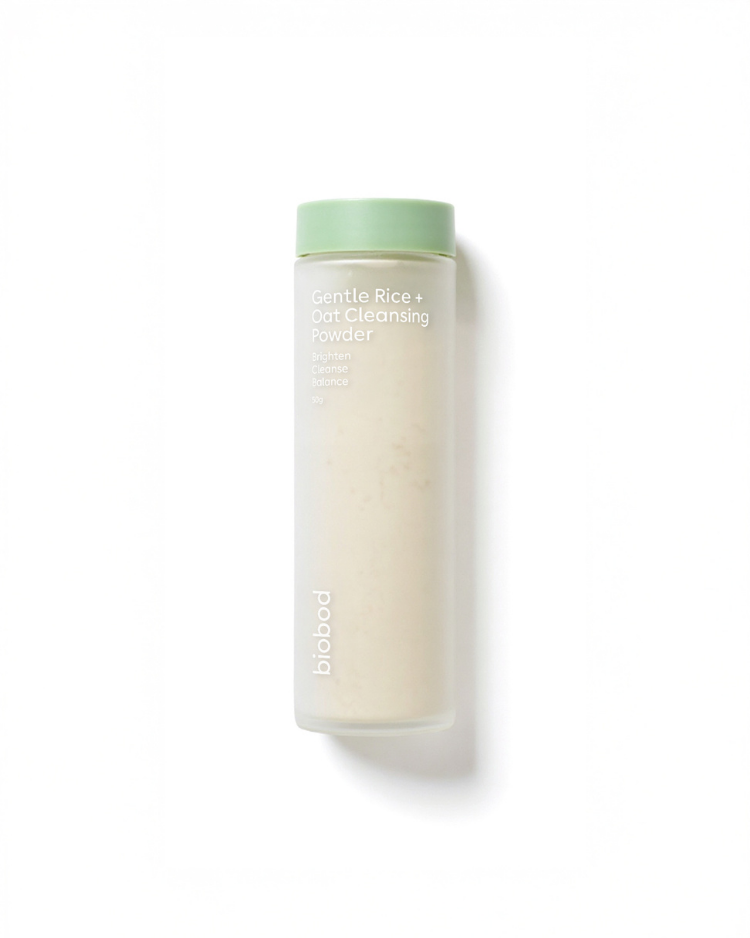
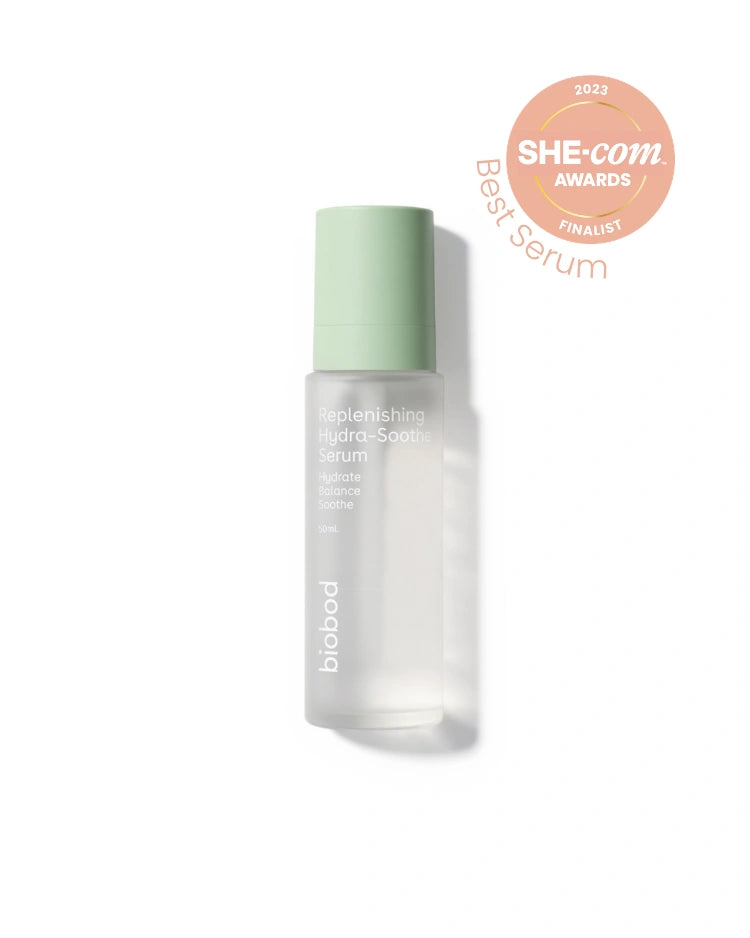
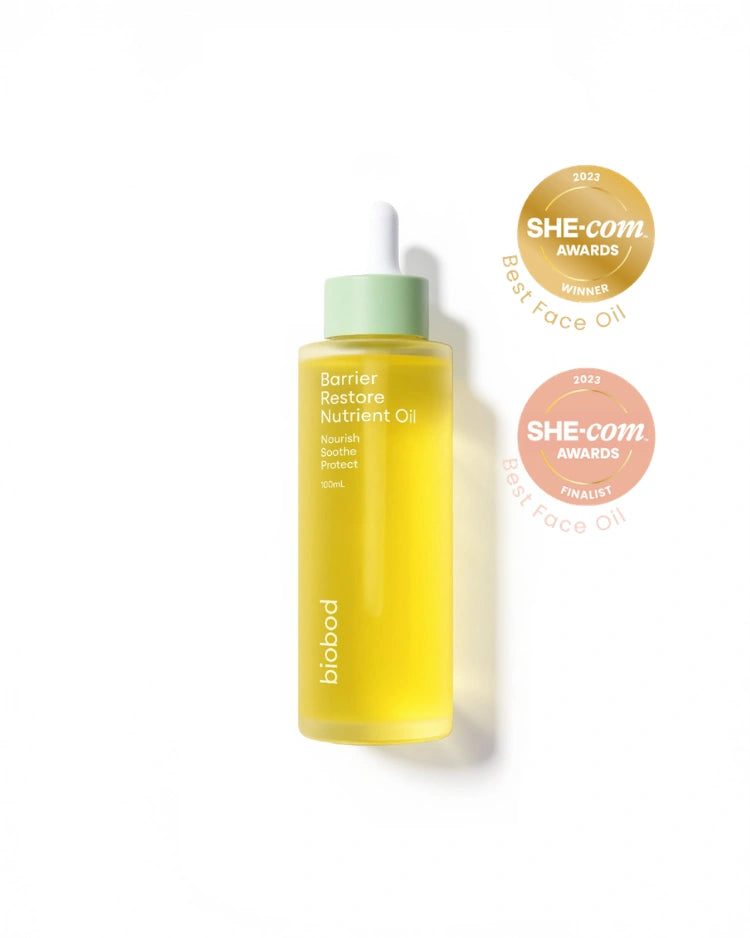
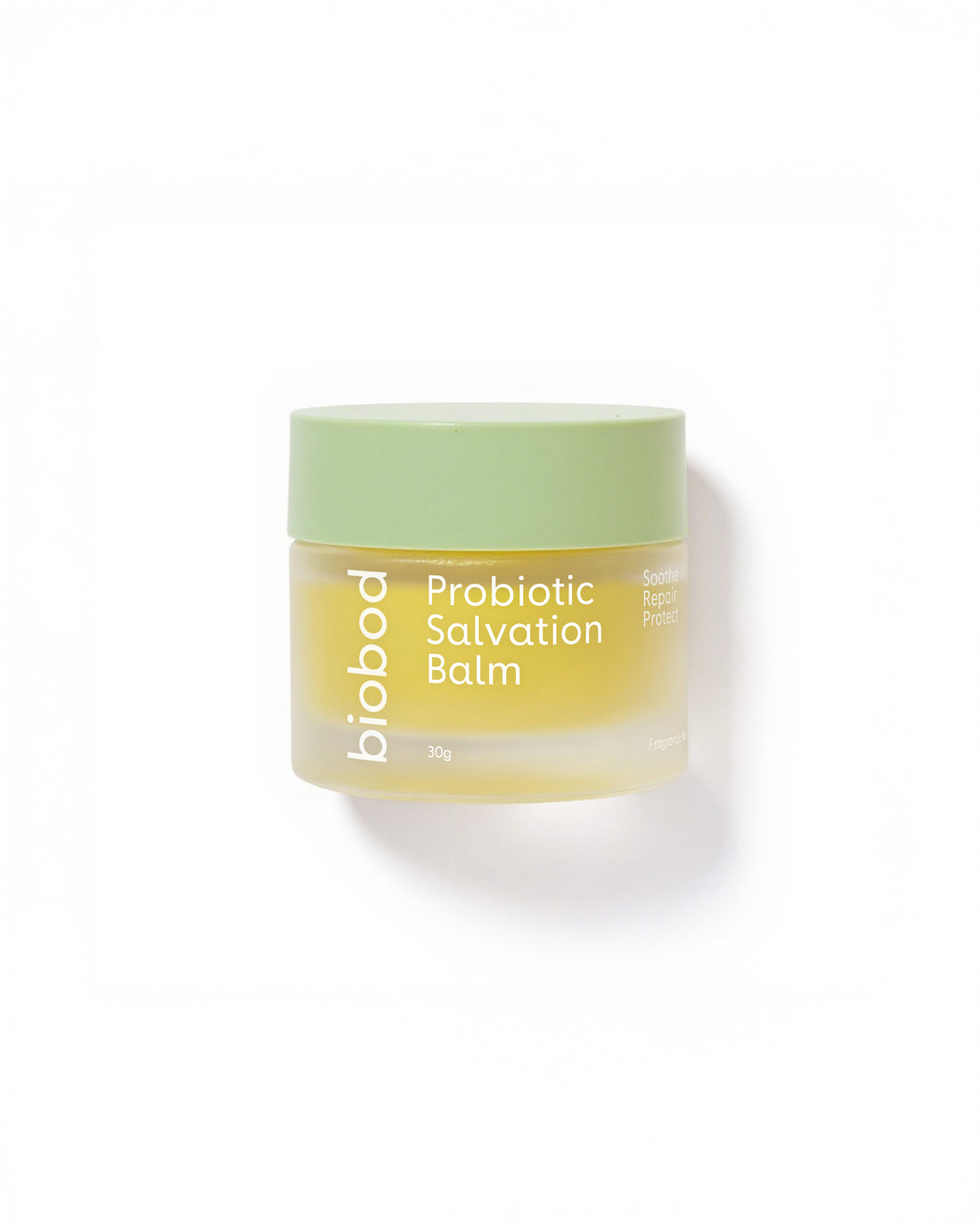
We created biobod for the most sensitive skin, so our approach is simple: no drying alcohols. Our Gentle Rice + Oat Cleansing Powder, Replenishing Hydra-Soothe Serum, Barrier Restore Nutrient Oil and Probiotic Salvation Balm are formulated without alcohol denat, SD alcohol, ethanol or isopropyl alcohol. They are also fragrance free and essential oil free, and made in Australia.
We also think you deserve to know exactly which skin-friendly alcohols we do use, and why:
- Replenishing Hydra-Soothe Serum contains glycols (propanediol, pentylene glycol, butylene glycol, caprylyl glycol and 1,2-hexanediol). They support hydration alongside glycerin, hyaluronic acid and sodium PCA, help our plant extracts dissolve evenly, and help keep this oil-free, water-based serum fresh.
- Barrier Restore Nutrient Oil and Probiotic Salvation Balm contain octyldodecanol, a lightweight fatty alcohol that gives a silky, non-greasy glide.
The result is a routine that hydrates first, then seals that hydration in with nourishing lipids, without the tight, stripped feeling drying alcohols can leave behind.
Recommended biobod products
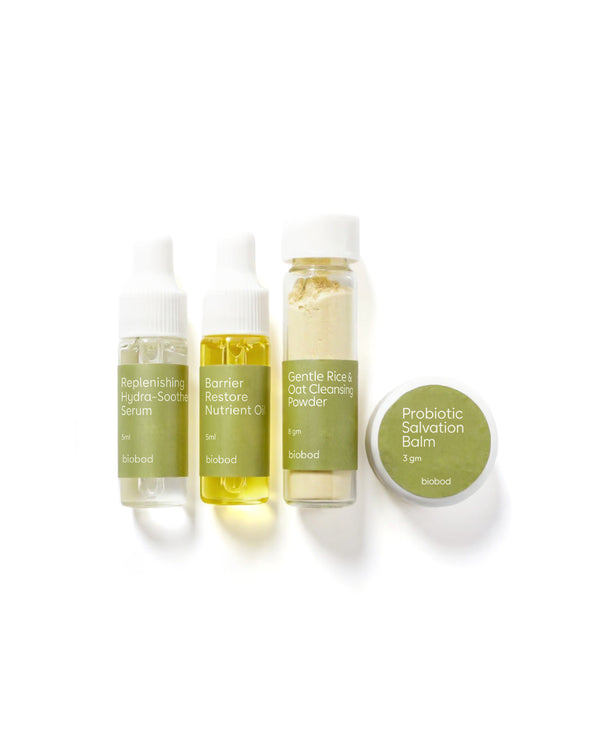
Discovery Set
Trial sizes of all four steps, so you can introduce products one at a time.
Try it for $25
Replenishing Hydra-Soothe Serum
Oil-free, weightless hydration that soothes, with no drying alcohols.
Shop the serum
Barrier Restore Nutrient Oil
Plant squalane and omega-rich oils to seal in hydration and support your barrier.
Shop the oilRelated reading
- 10 skincare ingredients to avoid for sensitive skin
- The clean beauty ingredient checklist
- The best hydrating serum for dry, sensitive skin
- Squalane oil for your face: benefits for sensitive skin
- How to get healthy skin
- Our ingredient glossary
FAQs
Is alcohol in skincare good or bad?
Both, depending on the type. Drying alcohols such as alcohol denat and isopropyl alcohol can leave skin tight and dehydrated, especially high on the ingredient list. Fatty alcohols like cetyl alcohol soften skin, and glycols like butylene glycol help it hold water.
What is the best alcohol for skin care?
For comfort and hydration, fatty alcohols (such as cetyl, cetearyl and octyldodecanol) and glycols (such as butylene glycol and propanediol) are the most skin-friendly. They soften, smooth and hydrate rather than dry.
What are other names for alcohol in skincare?
Drying alcohols appear as alcohol denat, denatured alcohol, SD alcohol, alcohol, ethanol, ethyl alcohol and isopropyl alcohol. Skin-friendly alcohols include cetyl, cetearyl, stearyl and behenyl alcohol, octyldodecanol, and glycols like butylene glycol.
Is alcohol in skincare bad for rosacea-prone skin?
Drying alcohols are a commonly reported trigger for stinging and redness in rosacea-prone skin, so many people choose to avoid them. Fatty alcohols and glycols are usually better tolerated. If you have rosacea, talk to your GP or dermatologist about the right routine for you.
Does Korean skincare contain alcohol?
Some Korean toners, essences and gel creams use alcohol for a light, fresh finish, while many others are formulated without it. As with any skincare, check the ingredient list for alcohol denat or ethanol near the top.
Are biobod products alcohol-free?
Our Cleansing Powder, Hydra-Soothe Serum, Nutrient Oil and Probiotic Balm are formulated without drying alcohols like alcohol denat, SD alcohol, ethanol or isopropyl alcohol. The serum contains hydrating glycols, and the oil and balm contain octyldodecanol, a skin-softening fatty alcohol.
Try a routine made without drying alcohols
Our $25 Discovery Set gives you trial sizes of all four steps, so you can patch test and introduce one product at a time. Backed by our 30-day Happiness Guarantee.
Shop the Discovery Set