
Last updated: July 2026 · Estimated reading time: 9 minutes
Walk down almost any “clean beauty” aisle and you’ll see the same words everywhere: plastic-free, low-waste, sustainable, eco-friendly. They sound reassuring, but in Australian skincare, these terms can be used in very different ways. Some products are genuinely free from plastic packaging. Others still rely on plastic lids, pumps, seals or mixed materials that are harder to recycle.
That does not mean every product using a small amount of plastic is bad. It simply means the most trustworthy brands are clear about what is plastic-free, what is recyclable and where plastic is still used to help protect the formula inside.
Key takeaways
- Plastic-free skincare usually means reducing unnecessary plastic, not always removing every plastic component.
- Solid cleansing bars, powder cleansers and reusable accessories are among the easiest low-waste swaps.
- Glass, FSC-certified paper and larger product sizes can help reduce packaging waste over time.
- For sensitive skin, the formula still matters most. Look for fragrance-free, soap-free and pH-balanced options.
- Honest brands explain exactly what their packaging is made from and where plastic remains.
Table of contents
- What is plastic-free skincare?
- Is any skincare really plastic-free?
- Why does skincare packaging matter?
- What packaging does Biobod use?
- Why bigger sizes can reduce waste
- Biobod’s most plastic-conscious skincare options
- Recommended low-waste swaps
- How to spot greenwashing in skincare
- Is plastic-free skincare suitable for sensitive skin?
- Where should you start?
- FAQs
What is plastic-free skincare?
Plastic-free skincare refers to products that avoid plastic packaging as much as possible. In the strictest sense, a plastic-free skincare product would have no plastic bottle, pump, cap, wrapper, seal or inner component. In reality, that is still uncommon across skincare, especially for liquid formulas that need to stay stable, protected and easy to use.
The most genuinely plastic-free products tend to be solid, dry or reusable. Think cleansing bars, powder cleansers, reusable makeup remover rounds and compostable accessories. These formats reduce or remove the need for plastic bottles and pumps altogether.
For Biobod, the goal is not to make vague “eco” claims. The goal is to reduce unnecessary packaging, choose better materials where possible and be transparent about where plastic still exists.
Is any skincare really plastic-free?
Some skincare products can be genuinely plastic-free, especially solid bars and certain reusable accessories. However, many skincare ranges that are described as “plastic-free” still include at least one plastic component, such as a lid, pump or internal seal.
This matters because “plastic-free” can sometimes become shorthand for “less plastic” rather than “no plastic.” That distinction is important. A brand may still be making a thoughtful packaging choice, but the claim should be clear and specific.
Myth vs fact
Myth: If a product says plastic-free, every single part of the packaging must contain no plastic.
Fact: Some products are fully plastic-free, but many low-waste skincare products still use a small plastic lid, seal or pump to protect the formula. The most trustworthy brands explain this clearly rather than hiding behind vague sustainability language.
Why does skincare packaging matter?
Skincare packaging matters because most routines rely on repeat-use products. Cleansers, serums, moisturisers and oils are replaced again and again, which means their packaging choices add up over time.
A traditional liquid cleanser often comes in a plastic bottle with a pump and cap. A solid cleansing bar removes that bottle completely. A powder cleanser ships dry, so it can reduce the need for bulky water-based packaging. Reusable rounds can replace single-use cotton pads and wipes. Small swaps may feel simple, but they can meaningfully reduce the amount of packaging moving through your bathroom.
Packaging is not the only part of sustainability, but it is one of the easiest places to start.
What packaging does Biobod use?
Biobod takes a practical, transparent approach to packaging. We use plastic only where it is needed to protect the product inside.
| Packaging material | Where it is used | Why it matters |
|---|---|---|
| Glass | Liquid formulas | Recyclable, durable and designed to help protect the formula. |
| FSC-certified paper | Outer cartons | Sourced from responsibly managed forests. |
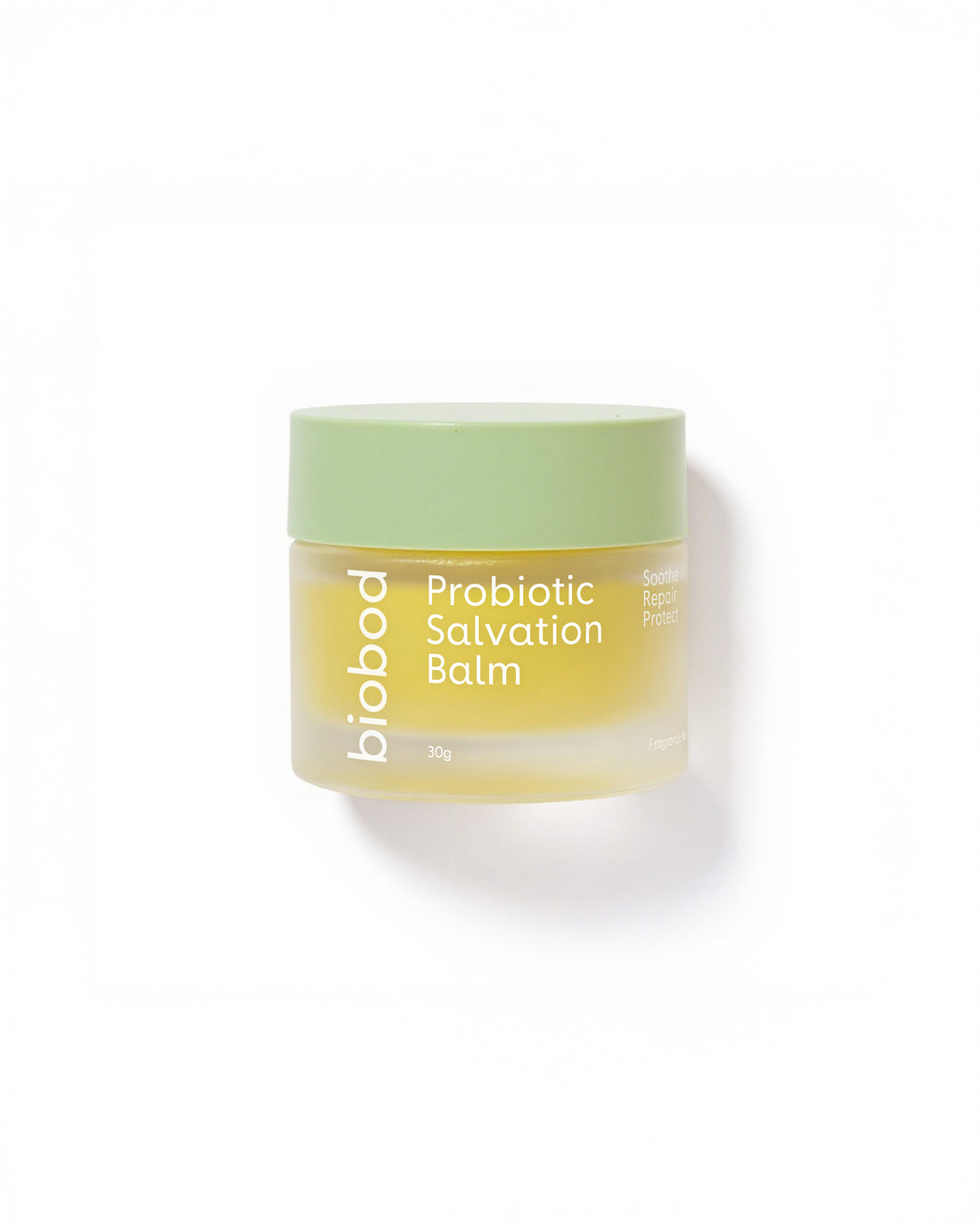
| Plastic lids | Some jars and bottles | Used where needed to help protect the formula inside. |
| Zero-plastic formats | Calming Balance Cleanse Bar and Cleanse Bar Rest | Removes unnecessary plastic from the cleansing step. |
This is the difference between a sustainability promise and a sustainability explanation. A promise sounds nice. An explanation tells you exactly what you are choosing.

Above: Cleanse Bar Rest 100% natural, biodegradable and compostable at the end of its life.
Why bigger sizes can reduce waste
One of the simplest ways to reduce packaging waste is to buy fewer, larger products instead of replacing smaller bottles more often.
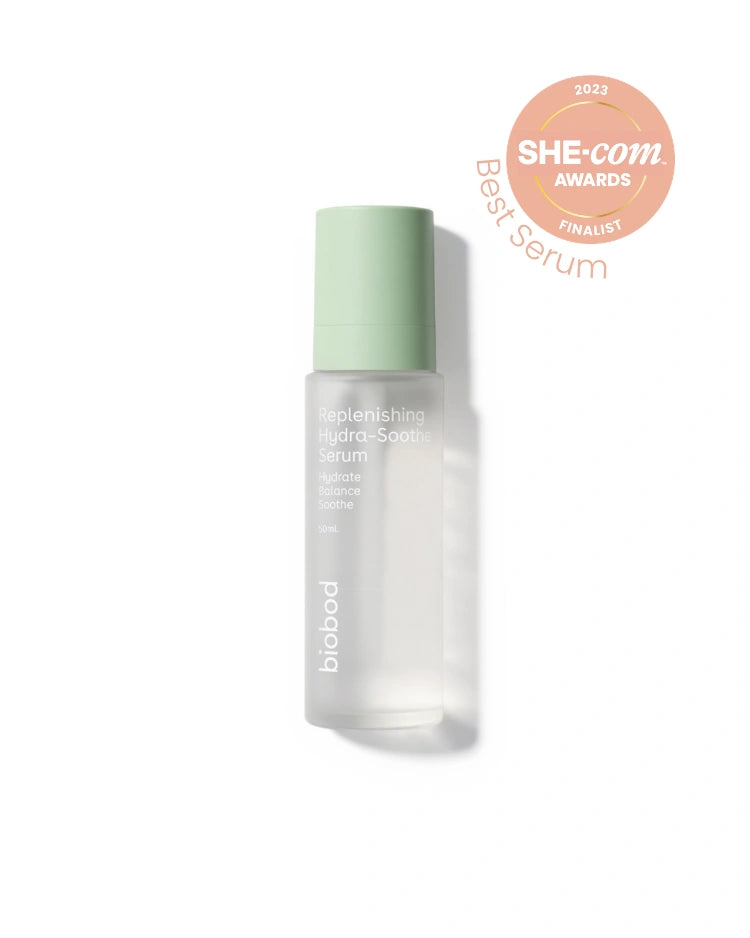
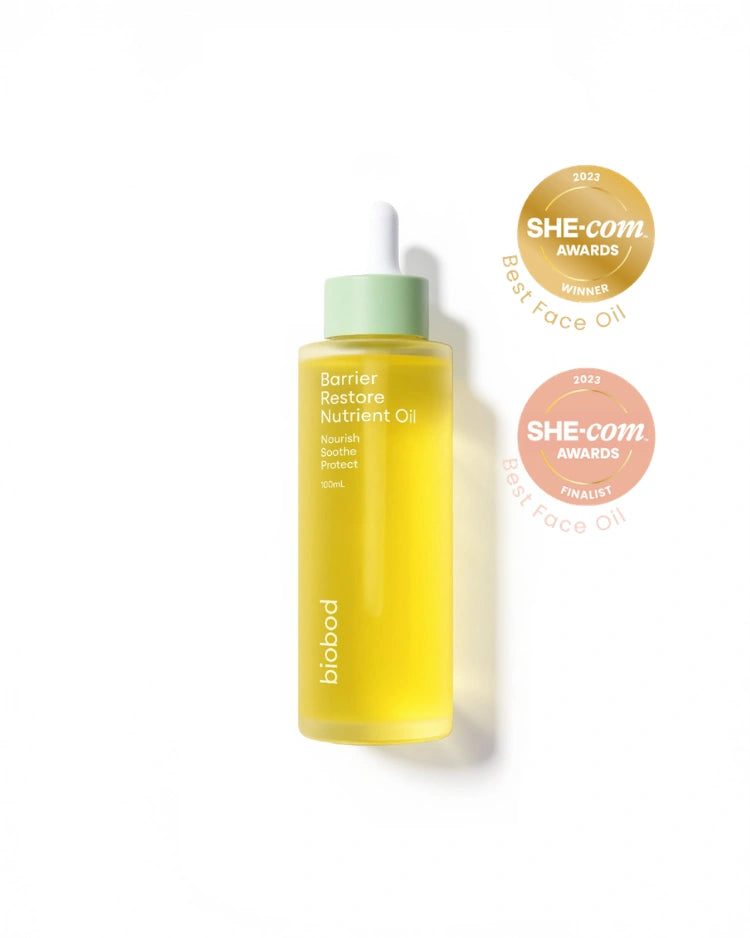
Biobod sizes key products generously for this reason. The Barrier Restore Nutrient Oil is 100ml and the Replenishing Hydra-Soothe Serum is 50ml, while many facial oils and serums are sold in smaller 30ml sizes.
Larger sizes do not make a product plastic-free, but they can reduce the number of bottles, cartons and components used over time. For a minimalist skincare routine, that matters.
Biobod’s most plastic-conscious skincare options
If your goal is to make one low-waste skincare swap, start with the products that remove the most unnecessary packaging from your routine.
Calming Balance Cleanse Bar
The Calming Balance Cleanse Bar is Biobod’s most genuinely plastic-free skincare product. It is soap-free, fragrance-free and pH-balanced, and it arrives without plastic packaging. It is a simple swap for a bottled liquid cleanser and is designed for sensitive-feeling skin.
Cleanse Bar Rest
The Cleanse Bar Rest is made from diatomaceous earth, a naturally absorbent material that helps keep your bar dry between uses. It is 100% natural, biodegradable and compostable at the end of its life.
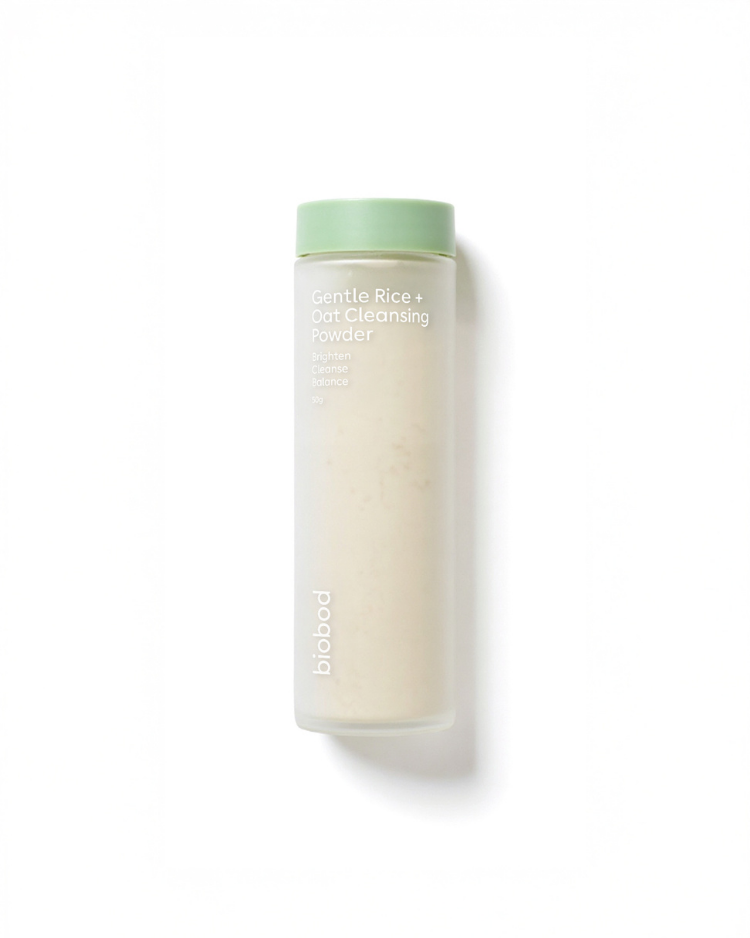
Gentle Rice & Oat Cleansing Powder
The Gentle Rice & Oat Cleansing Powder is a water-activated powder cleanser. Because it ships dry, it avoids the bulk of a traditional water-based cleanser and lets you control how much product you use each time.
Organic Reusable Cosmetic Remover Rounds
The Organic Reusable Cosmetic Remover Rounds are made from organic bamboo and cotton and can be machine-washed in the included mesh bag. They are a gentle alternative to single-use cotton pads and wipes.
Recommended low-waste swaps
These are the easiest Biobod swaps to begin with if you want to reduce unnecessary plastic without overwhelming your skin or your routine.

Soap-free cleanser
Calming Balance Cleanse Bar
Best for: Replacing a bottled cleanser with a fragrance-free, pH-balanced cleansing bar for sensitive-feeling skin.
A simple low-waste swap for daily cleansing without the plastic bottle.
Explore the Cleanse Bar
Compostable bar rest
Cleanse Bar Rest
Best for: Keeping your cleansing bar dry between uses so it lasts beautifully.
Made from diatomaceous earth and compostable at the end of its life.
View the Bar Rest
Waterless cleanser
Gentle Rice & Oat Cleansing Powder
Best for: A low-waste, water-activated cleanse that lets you use only what you need.
A soft powder-to-milk texture for skin that prefers a gentle, minimalist routine.
Discover the Formula
Reusable skincare swap
Organic Reusable Cosmetic Remover Rounds
Best for: Replacing disposable cotton pads and wipes with a washable alternative.
Made from organic bamboo and cotton for a simple, repeat-use bathroom swap.
Make the SwitchPlastic-free skincare comparison
| Product type | Plastic reduction | Best for | Good to know |
|---|---|---|---|
| Solid cleansing bar | Highest | Replacing a bottled cleanser | Keep dry between uses to extend its life. |
| Powder cleanser | High | Waterless or low-waste routines | Activate with water in damp hands. |
| Reusable rounds | High over time | Replacing cotton pads or wipes | Wash regularly in the mesh bag. |
| Larger glass bottles | Moderate | Reducing repeat packaging | Not plastic-free, but can reduce packaging frequency. |
How to spot greenwashing in skincare
Greenwashing happens when a brand uses environmental language that sounds meaningful but does not provide clear evidence or detail. In skincare, it often looks like vague words without packaging transparency.
Before trusting a plastic-free or low-waste claim, ask these questions:
- Does the brand name the materials? “Recyclable glass and FSC-certified paper” is clearer than “eco-friendly packaging.”
- Does the brand explain where plastic remains? Honesty about a lid, pump or seal is a good sign.
- Is the format actually reducing packaging? Bars, powders and reusable products usually reduce more packaging than a plastic bottle with a green label.
- Is the claim specific? Look for clear words like recyclable, compostable, biodegradable or plastic-free, and check what they apply to.
Is plastic-free skincare suitable for sensitive skin?
Plastic-free skincare can be suitable for sensitive skin, but packaging alone does not make a product gentle. The formula matters just as much.
If your skin is reactive, choose low-waste products that are fragrance-free, soap-free and pH-balanced where appropriate. A solid cleansing bar can be gentle when it is not traditional soap. A powder cleanser can feel soft and comfortable when it is formulated with sensitive skin in mind.
The safest way to switch is slowly. Replace one product at a time, patch test first and give your skin one to two weeks before introducing another new step.
Where should you start?
If you are new to plastic-free skincare, you do not need to replace your whole routine at once. Start with the product you use most often or the one creating the most packaging waste.
| If you want to... | Start with... |
|---|---|
| Replace a plastic cleanser bottle | Calming Balance Cleanse Bar |
| Try a waterless cleanser | Gentle Rice & Oat Cleansing Powder |
| Stop using disposable cotton pads | Organic Reusable Cosmetic Remover Rounds |
| Make your cleanse bar last longer | Cleanse Bar Rest |
Related reading
- Plastic-Free Cleanser: The Sustainable Skincare Switch
- Waterless Skincare Australia
- Waterless Skincare Routine
- Solid Face Wash: The Gentle Skincare Swap
- Plastic-Free Skincare for Sensitive Skin
- Zero Waste Face Wash
- Plastic Free July: 5 Low-Waste Skincare Swaps That Actually Stick
FAQs
What is the most plastic-free skincare product?
A solid cleansing bar is usually one of the most plastic-free skincare products because it does not need a bottle, pump or plastic wrapper. Biobod’s Calming Balance Cleanse Bar is wrapped in zero plastic and can be paired with the compostable Cleanse Bar Rest.
Is any skincare 100% plastic-free?
Some skincare products can be 100% plastic-free, especially solid bars and certain accessories. However, many skincare products still use a plastic lid, pump or seal to protect the formula, so it is important to check the details rather than relying on the claim alone.
What does plastic-free skincare mean in Australia?
In Australia, plastic-free skincare generally refers to skincare that avoids plastic packaging or significantly reduces it. The term is not always used consistently, so look for brands that clearly state what each packaging component is made from.
Is glass better than plastic for skincare?
Glass can be a better packaging choice for many skincare products because it is durable and recyclable. However, it is not perfect in every situation. The best choice depends on the formula, product protection, transport and how the packaging is disposed of after use.
Are powder cleansers better for the environment?
Powder cleansers can reduce packaging and transport weight because they do not ship with water already inside the formula. They can be a thoughtful low-waste option, especially when used consistently and packaged responsibly.
Is plastic-free skincare good for sensitive skin?
Plastic-free skincare can be suitable for sensitive skin when the formula is gentle, fragrance-free and designed not to strip the skin. Packaging format alone does not make a product suitable for sensitive skin, so always check the formula and patch test first.
What is the easiest plastic-free skincare swap?
The easiest swap is usually replacing a bottled liquid cleanser with a solid cleansing bar. It removes one of the most common plastic bottles from the bathroom and does not require a complicated routine change.
How do I avoid greenwashing in skincare?
Look for specific packaging information. A trustworthy brand should tell you whether its packaging is glass, plastic, paper, recyclable, compostable or reusable. Vague words like “eco” or “clean” are not enough on their own.
Plastic-free skincare is not about perfection. It is about making thoughtful swaps that suit your skin, your routine and the way you actually live.
For Biobod, that means choosing lower-waste formats where possible, using recyclable glass and FSC-certified paper, being honest about the plastic that remains and creating products that feel gentle enough for sensitive skin.
If you are starting with one swap this Plastic Free July, begin with the step you use every day: cleansing. A thoughtful cleanser can reduce packaging, simplify your bathroom and help your skin feel clean, soft and comfortable without the overwhelm.
Start small: Explore Biobod’s Calming Balance Cleanse Bar, Gentle Rice & Oat Cleansing Powder and Organic Reusable Cosmetic Remover Rounds for gentle, lower-waste skincare swaps.
Research and references
- Australian Packaging Covenant Organisation — Australian Packaging Consumption and Recovery Data
- Australian Government Department of Climate Change, Energy, the Environment and Water — plastics and packaging information
- Plastic Free July Foundation — plastic reduction education and campaign resources
- Forest Stewardship Council — FSC certification information