
Last updated: 28 August 2026 · Estimated reading time: 7 minutes
By Natalie, Founder of biobod
We tend to picture "healthy skin" as the poreless, filtered version we see online. But that is not what skin health actually is.
Real, healthy skin has texture, pores and the occasional off day. What sets it apart is how well it works: whether it stays comfortable, holds onto hydration and copes with change. Here is what that looks like in the mirror, and how to tell where your own skin sits. If you are just getting started, it pairs well with our complete guide to how to get healthy skin.
Key takeaways
- Healthy skin is skin that functions well think calm, comfortable and resilient not skin that is poreless or perfect.
- How skin feels (comfortable, not tight or stinging) is as telling as how it looks (even tone, soft radiance).
- A healthy skin surface is slightly acidic, roughly pH 4.5 to 5.5, which helps it stay balanced and resilient.
- Skin that needs support tends to show persistent tightness, flaking, dullness or reactivity, often a sign the barrier is under pressure.
- Consistency and barrier support matter more than the number of products you use.
In this article
- What does healthy skin look like?
- How to tell if your skin is healthy (a 60-second self-check)
- Is healthy skin oily, dry or somewhere in between?
- What is a healthy skin pH?
- What does unhealthy skin look like?
- Why healthy skin matters
- How to support the signs of healthy skin
- Recommended biobod products
- Related reading
- FAQs
What does healthy skin look like?
Healthy skin looks even and calm, feels comfortable, and has a soft, natural radiance rather than a high-shine "glass" finish. More than any single trait, it is the overall impression of skin that is balanced and unbothered. Here are the signs to look for:
- Even tone. Colour is reasonably uniform, without patches of lasting redness or marked unevenness.
- Smooth, soft texture. The surface feels supple to the touch. Fine texture and visible pores are normal.
- Comfortable. No tightness, stinging or itch after cleansing or through the day.
- Well hydrated. Skin looks plump and dewy, not flaky and not slick, with a natural, non-greasy glow.
- Resilient. It settles quickly after a hot shower, a cold morning or a new product, rather than staying red or reactive.
- Low reactivity. It tolerates a sensible routine without flaring, burning or breaking out easily.
- A balanced surface. Neither tight and parched nor congested and greasy, but comfortable across the day.
Notice how many of these are about comfort and resilience rather than appearance alone. That is the shift worth making: skin health is a state your skin is in, not a look it achieves.
How to tell if your skin is healthy (a 60-second self-check)
You do not need a device to gauge your skin. A few honest observations will tell you most of what you need to know. Run through these:
- The comfort test. An hour after cleansing, does your skin feel calm and comfortable, or tight and papery? Lasting tightness is a sign the barrier needs support.
- The bounce-back test. After a hot shower or a chilly walk, how long does any redness take to settle? Healthy skin calms down fairly quickly.
- The midday test. By early afternoon, is your skin balanced, or noticeably tight in places and slick in others?
- The reactivity test. Do most gentle products sit fine, or does your skin sting and flush at the smallest change?
This is gentle self-observation, not a diagnosis. If your skin is persistently tight, red, itchy or breaking out and it is not settling, it is worth speaking with your GP or a dermatologist. Some concerns need professional care rather than a change of moisturiser.
Is healthy skin oily, dry or somewhere in between?
Healthy skin exists across every skin type: oily, dry, combination and normal. Oiliness on its own is not a sign of unhealthy skin. A little natural oil (sebum) is part of how skin stays supple and protected. What matters is whether your skin feels comfortable and balanced for its type, not whether it produces oil. Oily skin that is calm and even-toned is healthy skin; dry skin that is comfortable and well hydrated is too.
Myth: Oily skin cannot be healthy skin.
Fact: Healthy skin comes in every type. A little natural oil helps keep skin supple and protected. What matters is whether skin feels balanced and comfortable, not whether it is matte.
What is a healthy skin pH?
The surface of healthy skin is slightly acidic, generally in the range of about pH 4.5 to 5.5. This mildly acidic film, sometimes called the acid mantle, helps keep the skin barrier and its microbiome in balance and supports the skin's natural defences. Harsh, high-pH cleansers (think squeaky-clean soap bars) can push the surface out of that comfortable range and leave skin feeling tight, so a gentle, pH-considerate cleanser is a simple way to help skin stay balanced.
What does unhealthy skin look like?
Unhealthy-looking skin is usually the flip side of the signs above: it feels uncomfortable and looks unsettled rather than calm. The most common cues are persistent tightness or flaking, lasting redness, dullness, congestion and a barrier that reacts easily. Here is a side-by-side:
| Sign | Healthy skin | Skin that needs support |
|---|---|---|
| Comfort | Calm and comfortable | Tight, stinging or itchy |
| Tone | Reasonably even | Persistent redness or blotchiness |
| Texture | Smooth and supple | Flaky, rough or congested |
| Hydration | Plump, dewy, balanced | Parched and dull, or slick and congested |
| Reactivity | Tolerates a gentle routine | Flares or breaks out easily |
| Radiance | Soft, natural glow | Flat, tired or ashen |
A quick caveat: this is about the look and feel of skin, not a medical checklist. Occasional dryness or a breakout does not mean unhealthy skin. But if these signs are persistent, that is usually your skin asking for a gentler, more supportive approach, or, if it does not settle, a professional's input.
Why healthy skin matters
Your skin is a working barrier: it holds hydration in, helps keep irritants out and is one of the body's first lines of defence. When that barrier is comfortable and intact, skin looks and feels its best: even, calm and resilient. When it is compromised, everything becomes harder: hydration escapes, skin reacts more easily, and it can look dull or unsettled. That is why, at biobod, we talk about healthy skin over perfect skin. Supporting the way skin functions is what keeps it looking good in the long run.
How to support the signs of healthy skin
The good news: the signs above are largely within your influence, and the fundamentals are simple.
- Keep the routine gentle and consistent. A considered cleanse, hydration and mineral SPF beats a shelf of actives. The Cancer Council recommends daily sun protection for Australians year-round.
- Support the barrier. Choose hydrating, soothing formulas over harsh, stripping ones, and give new products time. More on the skin barrier here.
- Be kind to the microbiome. A pH-considerate cleanse and gentle, microbiome-friendly formulas help skin stay balanced.
- Do not over-do it. Over-cleansing and over-exfoliating are common causes of tight, reactive skin, especially for sensitive skin.
If you would like the full picture, our complete guide on how to get healthy skin walks through the foundations, inside and out.
Recommended biobod products
Start gently
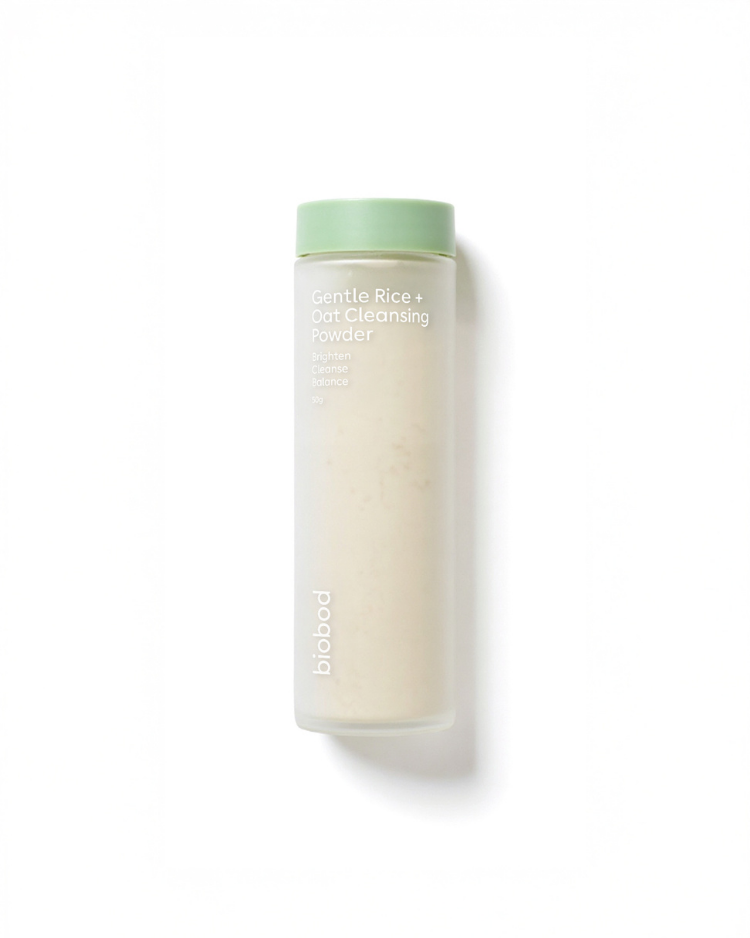
Discovery Set

Best for: Trialing a gentle, barrier-supporting routine before committing to full sizes.
A smaller introduction to gentle cleansing, hydration and barrier support.
Explore the Discovery SetLightweight hydration
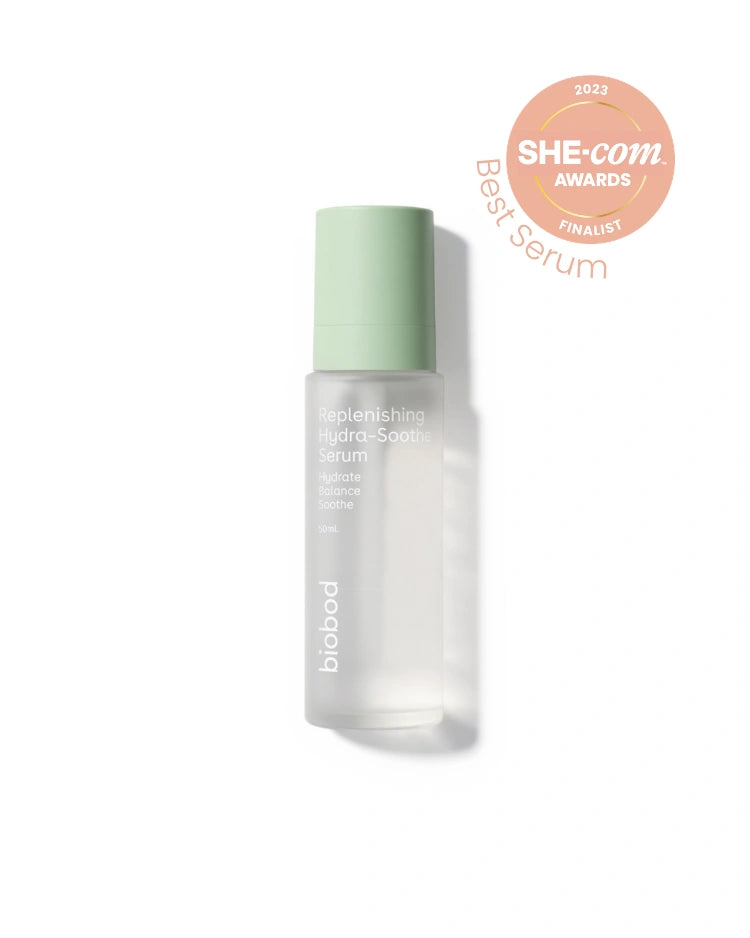
Replenishing Hydra-Soothe Serum

Best for: Skin that feels tight, dehydrated or in need of lightweight hydration.
A weightless, oil-free serum designed to replenish moisture without unnecessary fragrance.
Explore the Hydra-Soothe SerumBarrier support
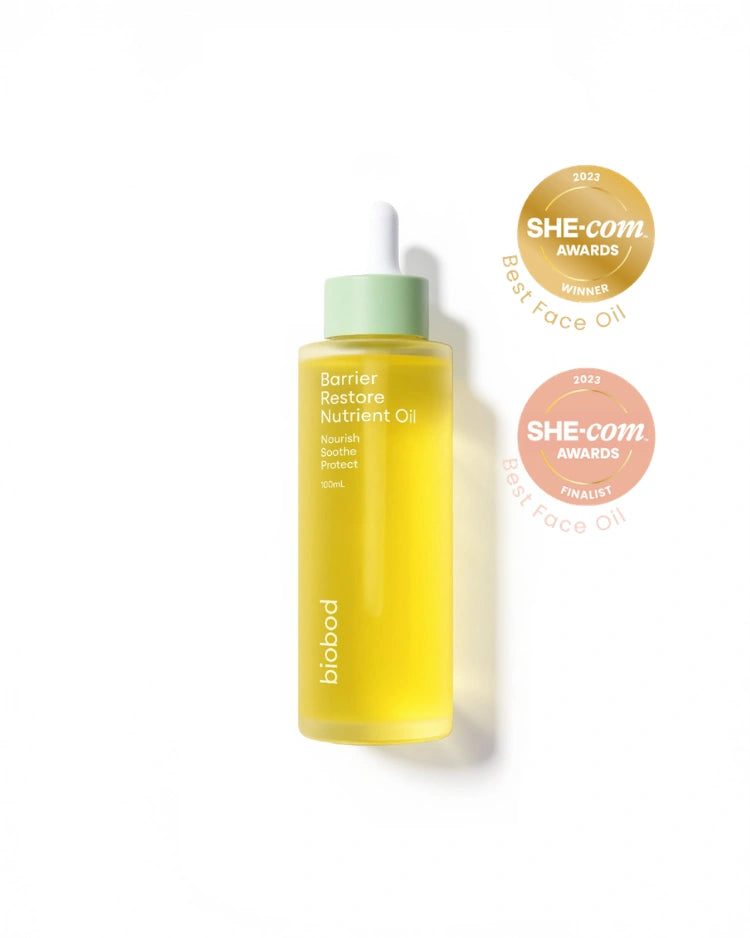
Barrier Restore Nutrient Oil

Best for: Supporting a comfortable, resilient-feeling barrier, especially in the evening.
A nourishing facial oil to help seal in hydration and keep skin feeling calm and supple.
Explore the Nutrient OilRelated reading
- How to Get Healthy Skin: The Complete Guide
- What Is the Skin Barrier and How You Can Protect It
- Sensitive Skin 101
- The Skin Microbiome Explained
FAQs
What are the signs of healthy skin?
Even tone, a smooth and comfortable surface, adequate hydration with a soft natural radiance, low reactivity, and skin that settles quickly after heat, cold or a new product. How skin feels (comfortable, not tight) matters as much as how it looks.
How do I know if my skin barrier is healthy?
A healthy barrier keeps skin comfortable and resilient. It is not tight or stinging after cleansing, it holds onto hydration, and it does not flush or flake easily. Persistent tightness, flaking or reactivity is usually a sign the barrier needs more support.
Is oily skin unhealthy?
No. Healthy skin exists across every skin type, including oily. A little natural oil is part of how skin stays supple and protected. What matters is whether your skin feels balanced and comfortable, not whether it produces oil.
What pH should healthy skin be?
The surface of healthy skin is slightly acidic, generally around pH 4.5 to 5.5. This helps keep the barrier and skin microbiome balanced, which is one reason gentle, pH-considerate cleansers suit most people better than harsh, high-pH soaps.
Can you have healthy skin and still get pimples?
Yes. The occasional breakout is completely normal and does not mean your skin is unhealthy. Healthy skin is about how well skin functions overall, not about being perfectly clear.
How long does it take to see healthier-looking skin?
With a gentle, consistent routine, many people notice their skin feels more comfortable within a couple of weeks, while visible changes in tone and texture tend to build over four to eight weeks as skin adjusts.
Start where healthy skin starts: Explore the Discovery Set, Replenishing Hydra-Soothe Serum or Barrier Restore Nutrient Oil.