
What Triggers Rosacea? Foods, Skincare and Lifestyle Factors Explained
Understanding what triggers rosacea is one of the most important steps in managing it. While rosacea cannot always be prevented, identifying and reducing your personal triggers can significantly minimise flare-ups and improve overall skin comfort.
Rosacea is a condition driven by inflammation and a compromised skin barrier. This means the skin reacts more easily to both internal and external factors, often in ways that feel unpredictable. The key is not perfection, but awareness and consistency.
What are the most common rosacea triggers?
- Temperature changes and heat exposure
- Stress and emotional fluctuations
- Spicy foods and alcohol
- Harsh or irritating skincare products
- Over-exfoliation or overuse of actives
Why rosacea-prone skin reacts more easily
Rosacea-prone skin has a weakened barrier, which makes it more sensitive to environmental and internal stressors. When the barrier is compromised, moisture escapes more easily and irritants can penetrate deeper into the skin.
This leads to inflammation, redness and flushing, often triggered by things that would not affect other skin types.
Rather than trying to eliminate all triggers, which is often unrealistic, the goal is to strengthen the skin so it becomes less reactive over time.
To understand how to support your skin properly, explore our guide to the best rosacea skin care regimen.
Environmental triggers
Heat and temperature changes
Heat is one of the most common triggers for rosacea. Hot weather, saunas, steam and even hot showers can cause blood vessels to dilate, leading to flushing and redness.
Sudden temperature changes, such as moving from cold air into a heated space, can also trigger a reaction.
Sun exposure
UV exposure can increase inflammation and worsen rosacea symptoms. Even short periods of sun exposure can lead to flare-ups in sensitive skin.
Protecting your skin daily is essential, even on cooler or cloudy days.
Wind and environmental stress
Wind and pollution can disrupt the skin barrier and increase sensitivity. When the skin is already compromised, these factors can trigger irritation more easily.
Skincare triggers
Harsh cleansers
Cleansers that strip the skin of its natural oils can weaken the barrier and increase dryness, leading to more reactivity.
Over-exfoliation
Using exfoliating acids or physical scrubs too frequently can damage the skin barrier and trigger inflammation.
This is one of the most common mistakes for those trying to improve their skin quickly.
To avoid this, learn how to exfoliate rosacea-prone skin safely.
Active ingredients
Strong actives such as high-strength retinoids or acids can be too aggressive for rosacea-prone skin, especially if introduced too quickly.
While these ingredients may be beneficial for other skin concerns, they often need to be used with caution or avoided altogether.
Fragrance and essential oils
Fragrance is a common irritant that can trigger redness and sensitivity. Even natural essential oils can be too stimulating for reactive skin.
Food and internal triggers
Spicy foods
Spicy foods can cause blood vessels to dilate, leading to flushing and redness. This is one of the most widely recognised rosacea triggers.
Alcohol
Alcohol, particularly red wine, is known to trigger rosacea in many people. It increases blood flow to the skin, which can worsen redness.
Hot drinks
Very hot beverages can have a similar effect to heat exposure, triggering flushing and discomfort.
Individual sensitivities
Triggers can vary from person to person. Keeping track of how your skin responds to different foods can help identify patterns.
Stress and emotional triggers
Stress is a powerful trigger for rosacea. Emotional responses can lead to flushing and increased inflammation in the skin.
While it is not always possible to eliminate stress, managing it where possible can help reduce flare-ups.
Simple practices such as mindful breathing, movement and rest can support both your skin and overall wellbeing.
How to reduce rosacea triggers
While triggers cannot always be avoided completely, there are ways to minimise their impact.
- Use lukewarm water instead of hot water
- Avoid extreme temperature changes where possible
- Keep your skincare routine simple and gentle
- Pay attention to how your skin responds to food and lifestyle factors
Consistency is key. Small, consistent changes often lead to better long-term results.
Strengthening your skin to reduce reactivity
The stronger your skin barrier is, the less reactive your skin becomes. This is why barrier support is at the centre of any effective rosacea routine.
Hydration, nourishment and microbiome support all play a role in helping the skin feel more balanced.
Over time, this reduces the intensity and frequency of flare-ups.
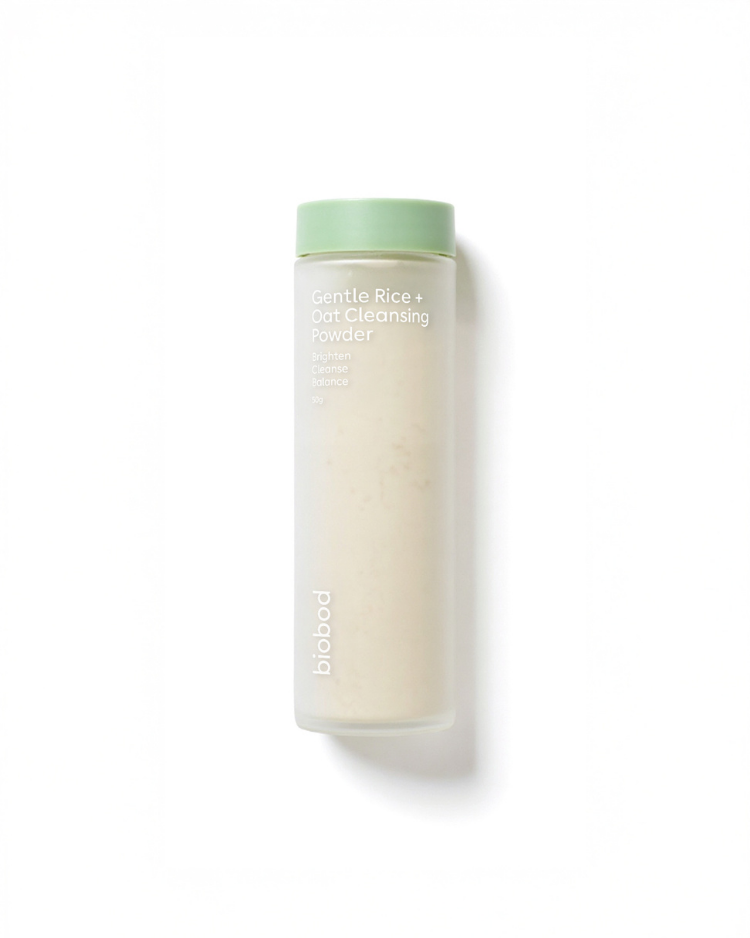
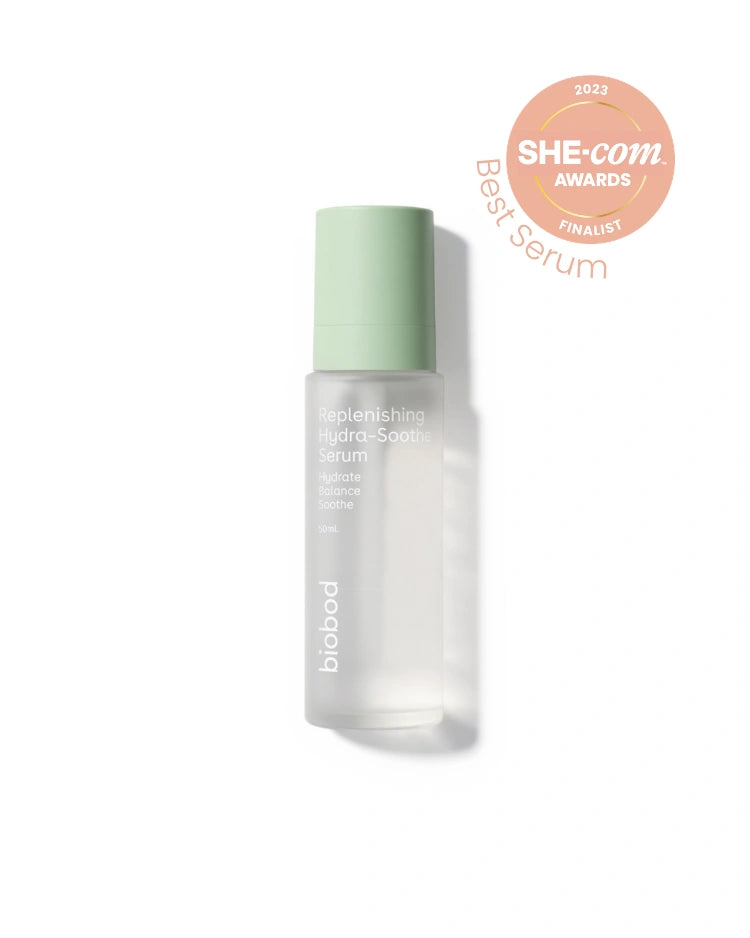
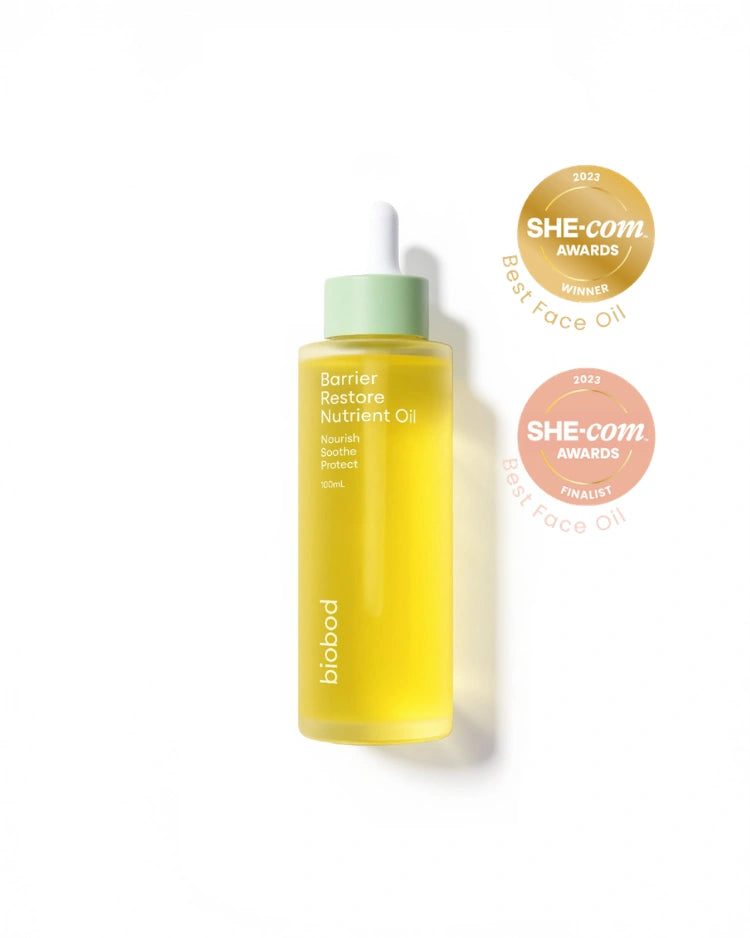
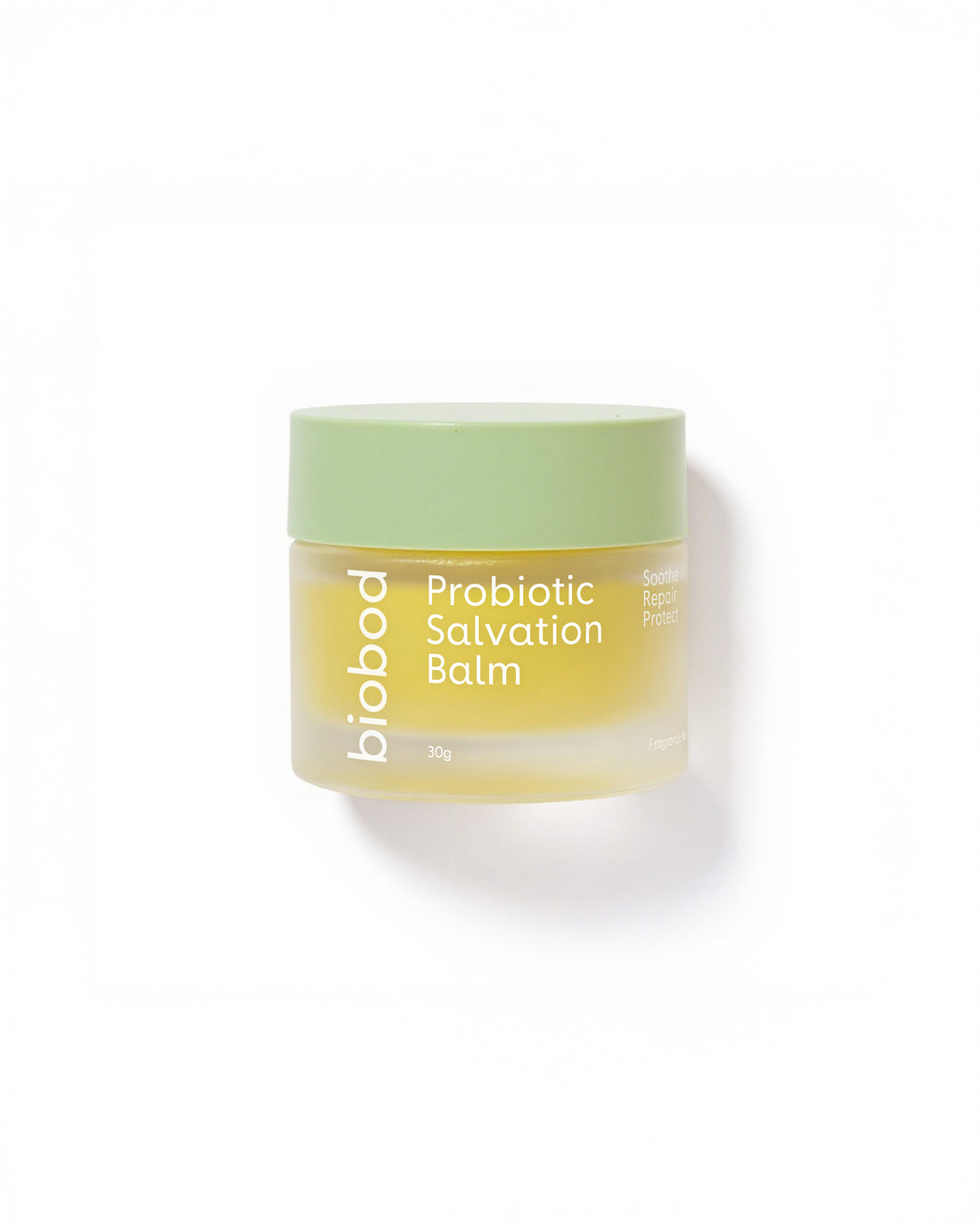
The Skin Reset System: Brighten, Hydrate & Nourish is designed to support this process by gently cleansing, hydrating and nourishing the skin in a way that aligns with its natural function.

Why a simple routine matters
One of the most effective ways to reduce triggers is to simplify your skincare routine.
Using too many products can overwhelm the skin and increase the risk of irritation. A minimal, barrier-first approach allows the skin to stabilise and respond more positively.
If you’re just starting, our rosacea skincare routine for beginners can help guide you.
Is rosacea the same as acne?
Rosacea is often confused with acne, but the two conditions are different and require different approaches.
Treating rosacea like acne can worsen symptoms, especially if harsh treatments are used.
To understand the difference, read acne rosacea vs acne vulgaris.
How long does it take to reduce flare-ups?
Reducing flare-ups takes time and consistency. While avoiding triggers can provide immediate relief, strengthening the skin barrier is what creates lasting change.
Most people begin to notice improvements within a few weeks, with more stable results developing over time.
A balanced approach to managing rosacea
Managing rosacea is not about avoiding everything, it is about understanding your skin and supporting it in the right way.
By identifying triggers and focusing on barrier repair, the skin becomes more resilient and less reactive.
This is where real progress happens, not through harsh treatments, but through consistent, supportive care.
Frequently asked questions
What are the biggest triggers for rosacea?
Common triggers include heat, stress, spicy foods, alcohol and harsh skincare products.
Can food trigger rosacea?
Yes, foods like spicy meals and alcohol can trigger flushing and increase redness.
Can skincare make rosacea worse?
Yes, harsh products, over-exfoliation and strong actives can weaken the skin barrier and increase inflammation.
How do you calm a rosacea flare-up?
Focus on gentle cleansing, hydration and avoiding known triggers while allowing the skin to recover.