
Last updated 26 September 2026 · 6 minute read
By Natalie, Founder of biobod
Butylene glycol is a lightweight humectant and solvent found in thousands of serums, toners and creams. It helps draw water into the skin, gives formulas a smooth, easy-spreading feel and helps plant extracts dissolve evenly. It is technically a type of alcohol, but it hydrates rather than dries, and it is generally well tolerated by sensitive skin.
Key takeaways
- Butylene glycol is a humectant: it helps skin attract and hold on to water.
- It is a glycol, which is a type of alcohol, but it behaves nothing like drying alcohols such as alcohol denat.
- It also works as a solvent and texture enhancer, which is why it appears in so many water-based formulas.
- Reactions are uncommon. It is generally considered gentler than its close relative, propylene glycol.
- Humectants work best when you seal them in with an oil or balm.
Table of contents
- What is butylene glycol?
- Is butylene glycol an alcohol?
- What does butylene glycol do for your skin?
- Is butylene glycol safe for sensitive skin?
- Butylene glycol vs propylene glycol, propanediol and pentylene glycol
- Why our Hydra-Soothe Serum uses butylene glycol
- How to get the most from a humectant serum
- FAQs
What is butylene glycol?
Butylene glycol (sometimes written as 1,3-butanediol) is a clear, colourless, almost odourless liquid. In skincare it does three jobs at once: it hydrates, it helps other ingredients dissolve, and it improves how a product feels on your skin.
It can be made from petrochemical sources or produced by fermenting plant sugars. Both versions are the same molecule once purified, so the ingredient list will simply say "butylene glycol" either way.
Is butylene glycol an alcohol?
Chemically, yes. Glycols are alcohols with two alcohol groups instead of one. But the word "alcohol" covers a huge family of ingredients, and butylene glycol sits in the skin-friendly corner of it.
Drying alcohols like alcohol denat evaporate quickly and can take moisture with them. Butylene glycol does the opposite. It attracts water and helps keep it in the skin's surface layers.
For the full guide to which alcohols dry skin and which help it, read alcohol in skincare.
What does butylene glycol do for your skin?
- Hydrates. As a humectant, it helps draw water into the outer layers of the skin, which can leave skin feeling softer and more supple.
- Dissolves plant extracts. Many botanical ingredients are extracted into, or dissolved in, butylene glycol so they can be blended evenly through a water-based formula.
- Improves texture. It thins out thicker formulas slightly and gives serums a silky slip, so they spread easily without dragging on the skin.
- Supports freshness. Glycols can help a formula's preservation system work more effectively.
Is butylene glycol safe for sensitive skin?
For most people, yes. Butylene glycol has been assessed by the US Cosmetic Ingredient Review expert panel, which concluded it is safe as used in cosmetics. It is used across products designed for sensitive, dry and reactive skin.
Reactions to butylene glycol are uncommon. It is generally considered gentler than propylene glycol, a closely related glycol that is more often linked to skin irritation and allergy.
Green flag
Butylene glycol alongside other humectants like glycerin, hyaluronic acid and sodium PCA is a sign the formula is built around hydration.
Caution
If you have a known glycol sensitivity, patch test any new product on your neck or jawline for several days first. If you notice redness, itching or stinging, stop using it and speak with your GP, pharmacist or a dermatologist.
Butylene glycol vs propylene glycol, propanediol and pentylene glycol
You will often see several glycols on one ingredient list. They are related, but each has its own strengths.
| Glycol | Main jobs | For sensitive skin |
|---|---|---|
| Butylene glycol | Hydration, dissolving extracts, silky texture | Generally well tolerated |
| Propylene glycol | Hydration, solvent, helps ingredients penetrate | More often linked to irritation; patch test if reactive |
| Propanediol | Hydration, solvent, lightweight feel | Generally well tolerated |
| Pentylene glycol | Hydration, helps keep formulas fresh | Generally well tolerated |
| Caprylyl glycol | Conditioning, helps keep formulas fresh | Generally well tolerated |
Why our Hydra-Soothe Serum uses butylene glycol
We believe you should know what every ingredient in your skincare is doing, especially the ones with confusing names.
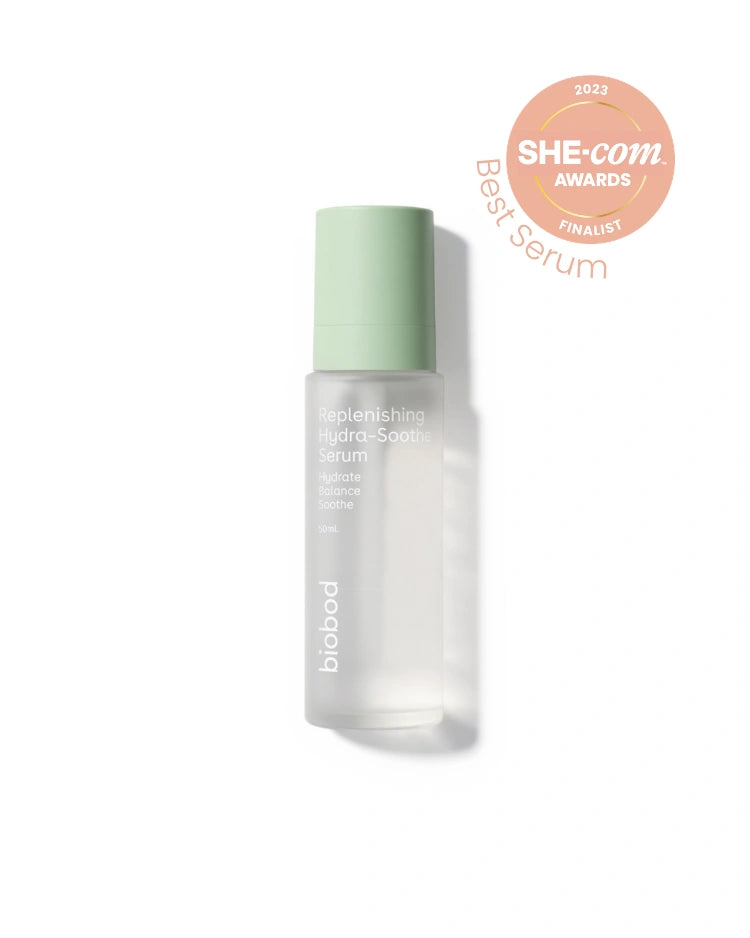
Our Replenishing Hydra-Soothe Serum is an oil-free, water-based serum made for sensitive and reactive skin. Butylene glycol is one of several glycols in the formula, alongside propanediol, pentylene glycol, caprylyl glycol and 1,2-hexanediol. Together they:
- Support hydration alongside glycerin, hyaluronic acid and sodium PCA
- Help our plant extracts dissolve and blend evenly
- Give the serum its light, weightless glide
- Help keep the formula fresh, so we can make it without phenoxyethanol
The serum is formulated without drying alcohols, fragrance or essential oils, and it is made in Australia.
How to get the most from a humectant serum
Humectants like butylene glycol, glycerin and hyaluronic acid draw water into the skin. To help that hydration stay put, pair them with an ingredient that slows water loss from the surface.
- Apply to damp skin. Press your serum in straight after cleansing, while your face is still slightly wet.
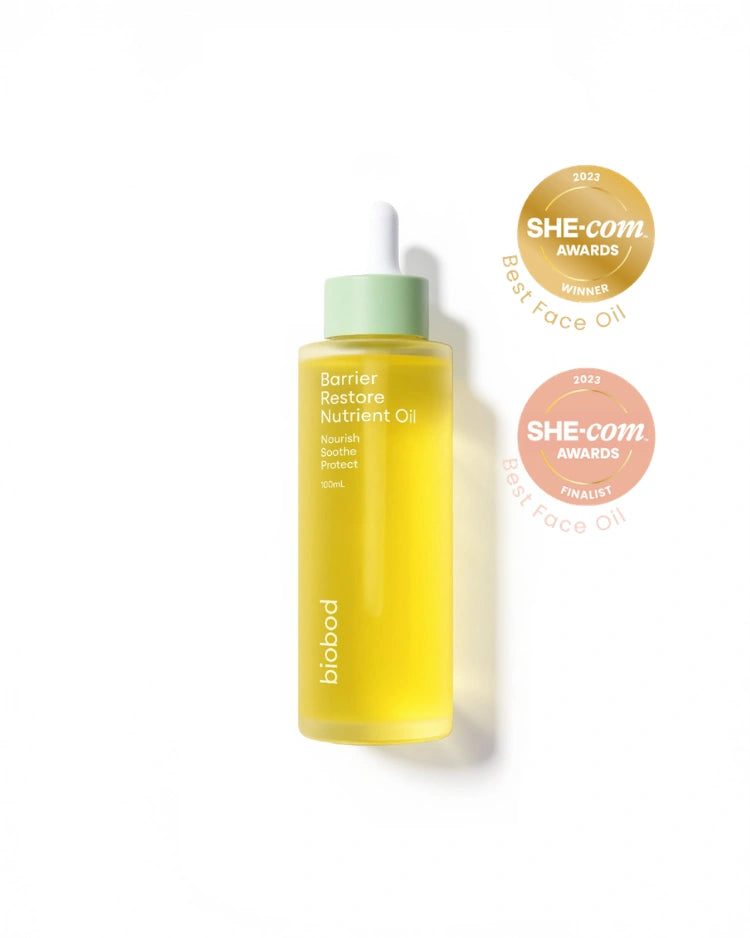
- Seal it in. Follow with a few drops of face oil. Our Barrier Restore Nutrient Oil uses plant squalane and omega-rich oils for this step.
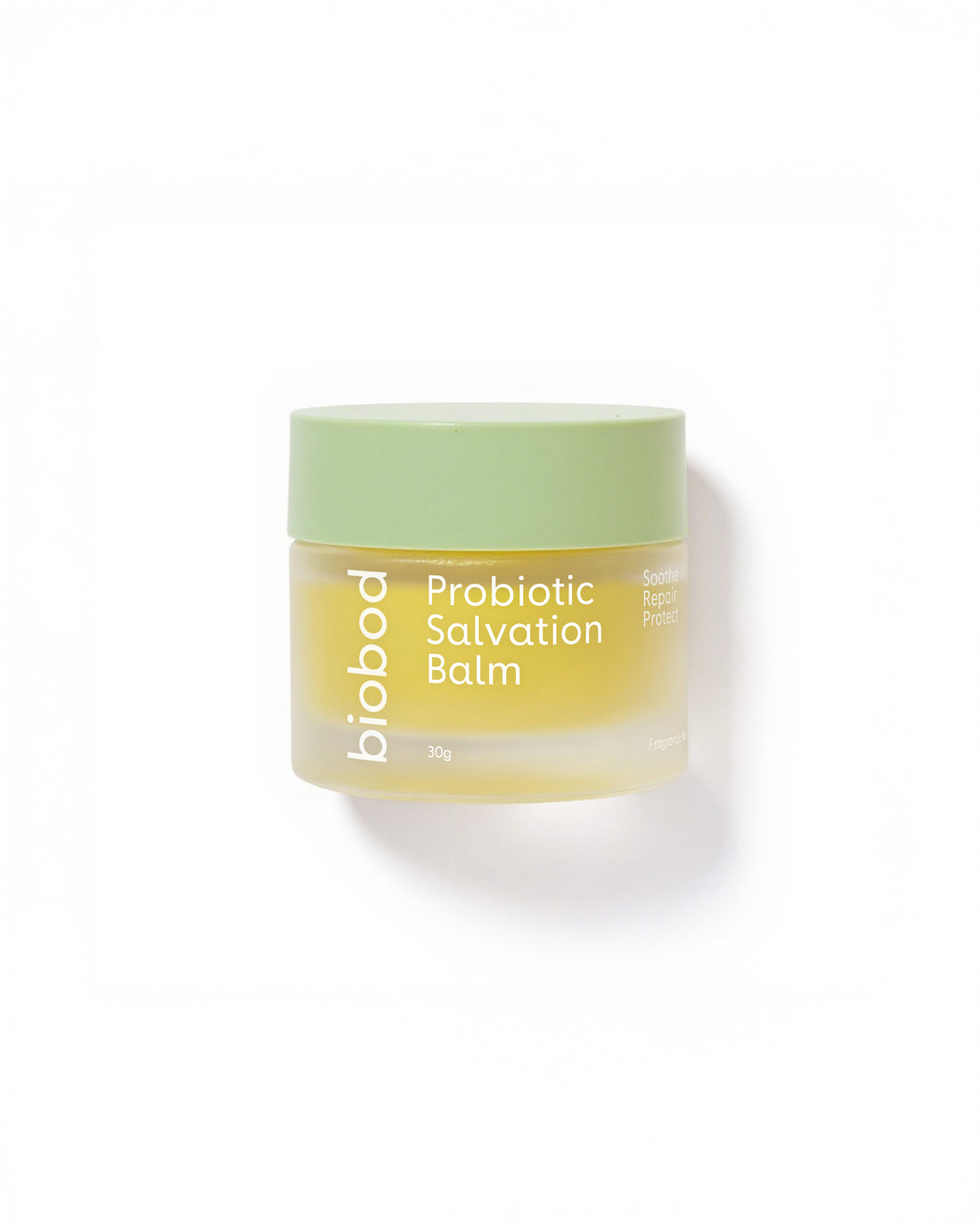
- Add a balm where needed. Very dry or rough patches can take a thin layer of balm on top.
This hydrate-then-seal approach is the idea behind our Glow Set: Hydrate & Nourish.
Recommended biobod products

Replenishing Hydra-Soothe Serum
Oil-free, glycol-powered hydration with no drying alcohols.
Shop the serum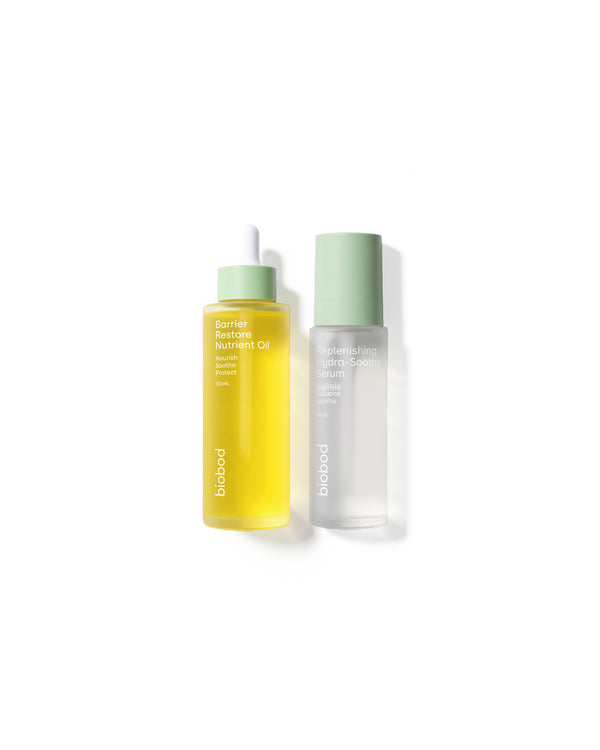
Glow Set: Hydrate & Nourish
The serum and oil together: hydrate first, then seal it in.
Shop the Glow Set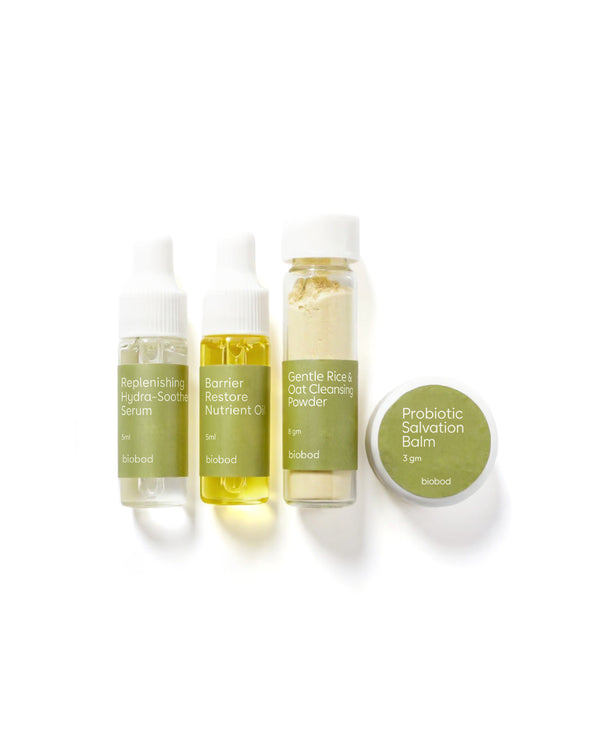
Related reading
- Alcohol in skincare: which alcohols dry your skin and which ones help it
- Alcohol-free skincare in Australia: what it really means
- Phenoxyethanol in skincare: is it safe for sensitive skin?
- The best hydrating serum for dry, sensitive skin
- Our ingredient glossary
FAQs
What is butylene glycol in skincare?
Butylene glycol is a lightweight humectant and solvent. It helps draw water into the skin, helps plant extracts dissolve evenly and gives serums a smooth, easy-spreading feel.
Is butylene glycol a drying alcohol?
No. Butylene glycol is a glycol, which is technically a type of alcohol, but it hydrates rather than dries. It does not behave like alcohol denat or ethanol.
Is butylene glycol comedogenic?
Butylene glycol is not generally considered pore-clogging and is widely used in lightweight, oil-free products. How a whole formula behaves on your skin matters more than any single ingredient.
Is butylene glycol natural?
It can be made from petrochemical sources or by fermenting plant sugars. Once purified, both are the same molecule and are listed as "butylene glycol" on the label.
What is the difference between butylene glycol and propylene glycol?
They are closely related glycols that both hydrate and dissolve ingredients. Butylene glycol is generally considered gentler, while propylene glycol is more often linked to skin irritation in sensitive people.
Hydrate first, then seal it in
Our Glow Set pairs the Hydra-Soothe Serum with the Barrier Restore Nutrient Oil, both made without drying alcohols, fragrance or essential oils. Backed by our 30-day Happiness Guarantee.
Shop the Glow Set