
Last updated 4 October 2026 · 6 minute read
By Natalie, Founder of biobod
Fatty alcohols like cetyl, cetearyl and stearyl alcohol are the "good" alcohols in skincare. They are waxy ingredients, usually made from plant oils, that soften skin, give creams and balms their texture and keep water and oil blended together. Despite the name, they are not drying like ethanol or alcohol denat, and they are generally well tolerated by sensitive skin.
Key takeaways
- Fatty alcohols are long-chain alcohols, usually derived from coconut, palm or other plant oils.
- They soften and smooth skin, thicken formulas and help keep creams stable.
- They behave nothing like drying alcohols such as ethanol, alcohol denat or isopropyl alcohol.
- Reactions are uncommon but possible, so patch test if your skin is very reactive.
- Products labelled "alcohol-free" can still contain fatty alcohols.
Table of contents
- What is a fatty alcohol?
- Is cetyl alcohol bad for your skin?
- What does cetearyl alcohol do in skincare?
- Fatty alcohols at a glance
- Cetyl alcohol vs ethyl alcohol
- Does cetyl alcohol kill bacteria?
- Can you be sensitive to fatty alcohols?
- Is cetyl alcohol halal?
- The fatty alcohol in our Nutrient Oil
- FAQs
What is a fatty alcohol?
A fatty alcohol is an alcohol with a long chain of carbon atoms, typically 12 to 22. That long chain changes everything. Short-chain alcohols like ethanol are thin, volatile liquids that evaporate fast. Long-chain fatty alcohols are waxy solids or oily liquids that stay on the skin and feel soft.
Most fatty alcohols in skincare are made from plant oils such as coconut or palm. They can also come from animal fats or synthetic sources, but the ingredient name on the label is the same.
In a formula, fatty alcohols do three main jobs:
- Soften skin. They act as emollients, smoothing rough, dry patches.
- Add body and texture. They thicken creams, lotions and balms so they feel cushioned rather than watery.
- Keep formulas stable. They help water and oil stay blended instead of separating.
For the full picture of all four alcohol families, read our guide to alcohol in skincare.
Is cetyl alcohol bad for your skin?
No. Cetyl alcohol is a waxy fatty alcohol with a 16-carbon chain, usually made from coconut or palm oil. It softens skin, thickens creams and keeps emulsions stable. It is one of the most widely used fatty alcohols in skincare and is generally well tolerated.
The US Cosmetic Ingredient Review expert panel has assessed cetyl, stearyl and cetearyl alcohol and concluded they are safe as used in cosmetics.
Cetyl alcohol side effects
Side effects are uncommon. A small number of people develop contact allergy to cetyl or cetearyl alcohol, which can show up as itching, redness or a rash where the product was applied. If you notice that, stop using the product and speak with your GP, pharmacist or a dermatologist.
What does cetearyl alcohol do in skincare?
Cetearyl alcohol is a blend of cetyl alcohol and stearyl alcohol. Formulators like it because the mix gives a smoother, more stable texture than either one alone. You will often see it near the middle of the ingredient list in creams, lotions and conditioners, where it softens skin and gives the formula its body.
Fatty alcohols at a glance
Here are the fatty alcohols you are most likely to see on a label.
| Name on the label | Texture | Main jobs |
|---|---|---|
| Cetyl alcohol | Waxy solid | Softens skin, thickens, stabilises creams |
| Stearyl alcohol | Waxy solid | Softens skin, adds body |
| Cetearyl alcohol | Waxy solid (cetyl + stearyl blend) | Smooth, stable texture in creams and lotions |
| Behenyl alcohol | Waxy solid | Thickens and adds a rich, cushioned feel |
| Arachidyl alcohol | Waxy solid | Thickens, often part of an emulsifier blend |
| Isostearyl alcohol | Light liquid | Softens skin with a silky, non-greasy feel |
| Octyldodecanol | Light liquid | Lightweight emollient, gives oils a smooth glide |
Coconut alcohol and C14-22 alcohols
Coconut alcohol is a mix of fatty alcohols made from coconut oil. C14-22 alcohols is a blend of fatty alcohols with 14 to 22 carbons, often paired with a sugar-based ingredient to help water and oil blend in creams. Both belong to the same skin-friendly family.
Cetyl alcohol vs ethyl alcohol: what is the difference?
They share the word "alcohol", but they behave in completely different ways on your skin.
| Cetyl alcohol | Ethyl alcohol (ethanol) | |
|---|---|---|
| Type | Fatty alcohol (16 carbons) | Simple alcohol (2 carbons) |
| Texture | Waxy solid | Thin, fast-evaporating liquid |
| On your skin | Softens and smooths | Can dry and tighten, especially in high amounts |
| Why it is used | Texture, emollience, stability | Quick-dry finish, dissolving ingredients |
| For sensitive skin | Generally well tolerated | Watch for it in the first five ingredients |
Ethanol and its denatured form are covered in our guide to alcohol denat in skincare.
Does cetyl alcohol kill bacteria?
No. Cetyl alcohol is not a preservative or a disinfectant. Unlike ethanol or isopropyl alcohol, it is not used to kill bacteria or germs. Its job in skincare is texture and softness. Products that contain water rely on a separate preservative system to stay fresh.
Can you be sensitive to fatty alcohols?
It is possible, but uncommon. Contact allergy to cetyl, stearyl or cetearyl alcohol has been reported, and it tends to be more likely on skin that is already broken or inflamed.
Green flag
A fatty alcohol in the middle of a cream's ingredient list is normal. It is usually there for texture and to keep the formula stable.
Caution
If you react to several creams that share cetearyl or cetyl alcohol, keep a note of the ingredient lists and ask your GP or dermatologist about patch testing to find the cause.
Is cetyl alcohol halal?
Cetyl alcohol is a fatty alcohol, not an intoxicating alcohol like ethanol. It is most often made from plant oils such as coconut or palm, but it can also come from animal fats. Whether a specific product is halal depends on where its ingredients come from and how they are processed, so look for halal certification or ask the brand directly.
The fatty alcohol in our Nutrient Oil
We want you to know what every ingredient in your skincare is doing, especially the ones with confusing names.
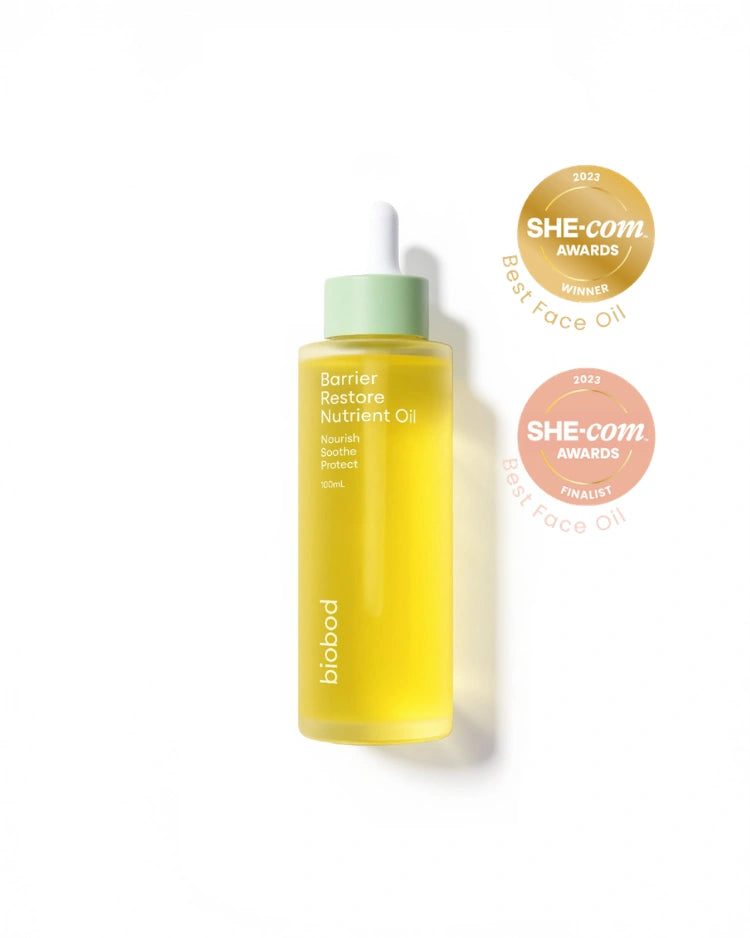
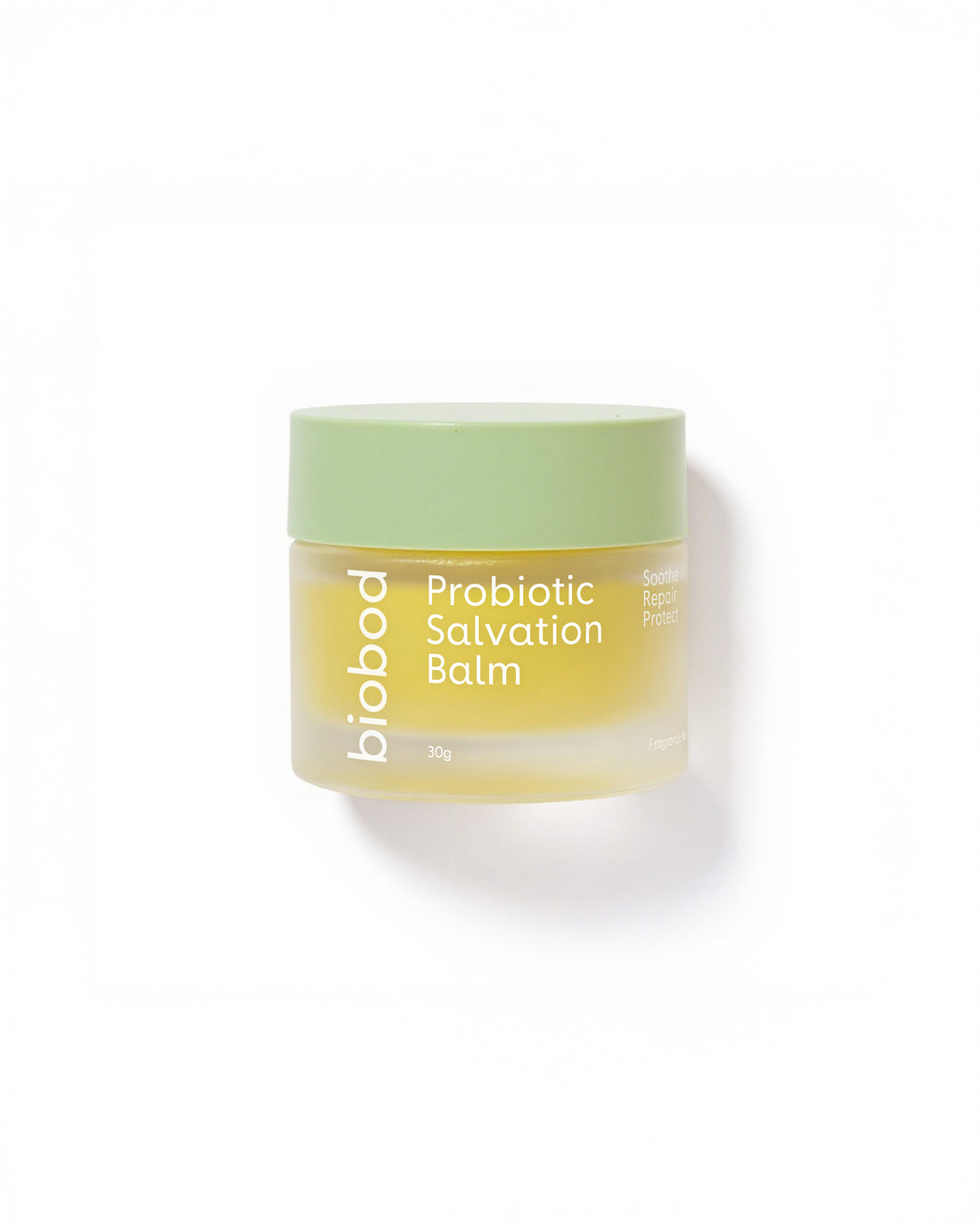
Our Barrier Restore Nutrient Oil and Probiotic Salvation Balm both contain octyldodecanol. It is a lightweight liquid fatty alcohol that gives oils a silky, non-greasy glide, so they spread easily and sink in without feeling heavy.
Both products are formulated without drying alcohols like alcohol denat, SD alcohol, ethanol or isopropyl alcohol, and without fragrance or essential oils. That is why we describe them as "formulated without drying alcohols" rather than simply "alcohol-free". For more on what that label really means, read our guide to alcohol-free skincare in Australia.
Recommended biobod products

Barrier Restore Nutrient Oil
Plant squalane, omega-rich oils and a silky fatty alcohol for a weightless glide.
Shop the oil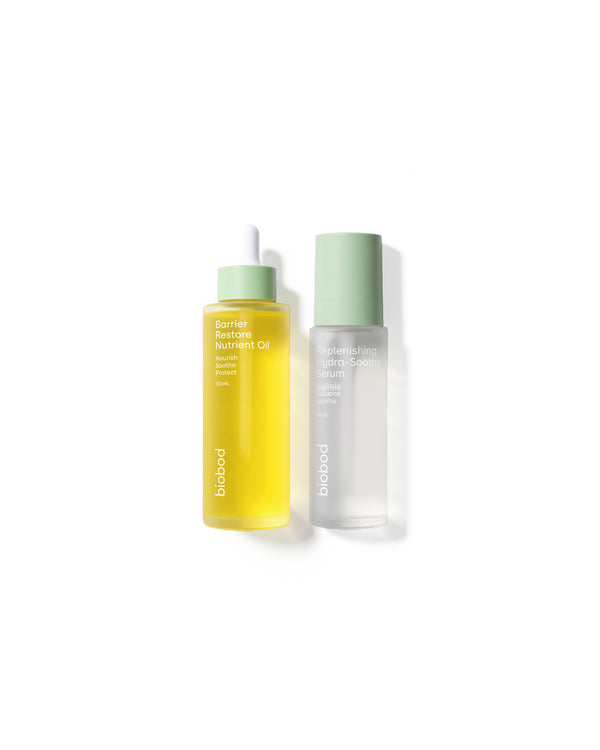
Glow Set: Hydrate & Nourish
Serum and oil together: hydrate first, then seal it in.
Shop the Glow Set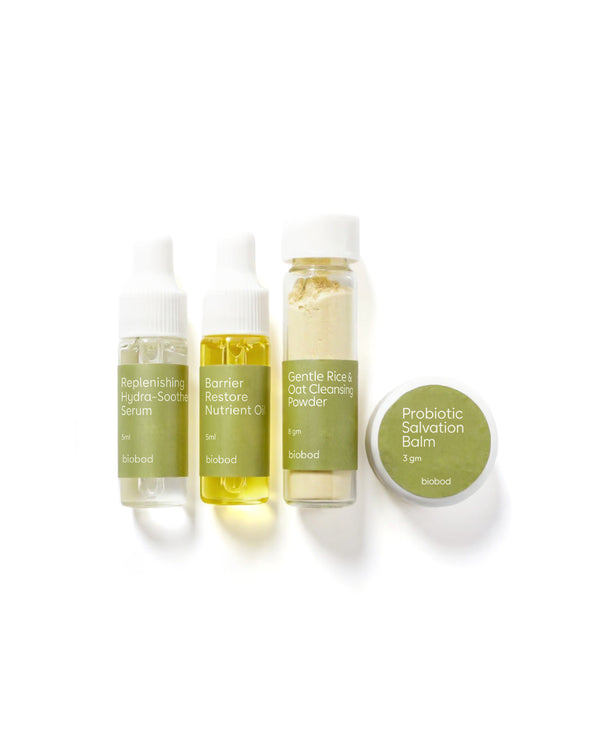
Related reading
- Alcohol in skincare: which alcohols dry your skin and which ones help it
- Alcohol denat in skincare: what it means and when to avoid it
- Butylene glycol in skincare: what it is and skin benefits
- Alcohol-free skincare in Australia: what it means and how to build a routine
- Squalane oil for your face: benefits for sensitive skin
FAQs
Is cetyl alcohol bad for your skin?
No. Cetyl alcohol is a fatty alcohol that softens skin, thickens creams and keeps formulas stable. It is not drying like ethanol, and it is generally well tolerated, although a small number of people are allergic to it.
Is cetearyl alcohol comedogenic?
Cetearyl alcohol is not generally considered pore-clogging and is widely used in products for all skin types. How a whole formula behaves on your skin matters more than any single ingredient.
Does cetyl alcohol kill germs?
No. Cetyl alcohol is not a disinfectant or preservative. It is used for texture and softness, not to kill bacteria or germs.
Can an alcohol-free product contain fatty alcohols?
Yes. "Alcohol-free" usually means no drying alcohols like ethanol or alcohol denat. Fatty alcohols such as cetyl and cetearyl alcohol are commonly used in alcohol-free products.
Do biobod products contain fatty alcohols?
Yes. Our Barrier Restore Nutrient Oil and Probiotic Salvation Balm contain octyldodecanol, a lightweight fatty alcohol that gives them a silky glide. Both are formulated without drying alcohols, fragrance or essential oils.
Soft, silky, no drying alcohols
Our Barrier Restore Nutrient Oil uses plant squalane and omega-rich oils to support your barrier, without fragrance or essential oils. Backed by our 30-day Happiness Guarantee.
Shop the Nutrient Oil