
Last updated 26 September 2026 · 6 minute read
By Natalie, Founder of biobod
Alcohol denat is short for denatured alcohol: ethanol with a bitter or unpleasant additive mixed in so it cannot be drunk. In skincare it helps products dry fast, feel light and dissolve other ingredients. High on an ingredient list, it can leave sensitive, dry or reactive skin feeling tight and uncomfortable. In Australia, methylated spirits is a familiar example of denatured alcohol.
Key takeaways
- Alcohol denat, denatured alcohol and SD alcohol are all ethanol that has been made undrinkable.
- Brands use it for a quick-dry, weightless, matte finish and to dissolve other ingredients.
- It is a drying alcohol, so it is the one sensitive, dry and reactive skin should watch for.
- Its position on the ingredient list tells you roughly how much is in the product.
- Water-based hydration sealed with an oil is a gentler alternative for sensitive skin.
Table of contents
- What does alcohol denat mean?
- Alcohol denat, denatured alcohol and SD alcohol: are they the same?
- Why is ethanol used in cosmetics?
- What does alcohol denat do to your skin?
- Alcohol denat side effects for sensitive skin
- Is alcohol in a serum bad?
- How to spot alcohol denat on a label
- What to use instead
- FAQs
What does alcohol denat mean?
"Alcohol denat." is the official ingredient-list name for denatured alcohol. It starts as ethanol, the same alcohol found in drinks. A small amount of a denaturant, usually a very bitter or unpleasant-smelling substance, is then added so no one can drink it.
Denaturing does not change how the ethanol behaves on your skin. It is done mainly for tax and safety reasons, because undenatured drinking alcohol is taxed far more heavily.
If you see just "alcohol" on an ingredient list, that usually means undenatured ethanol. On your skin, it behaves the same way as alcohol denat.
Alcohol denat, denatured alcohol and SD alcohol: are they the same?
Yes, in practice. They are different labels for ethanol that has been made undrinkable. The names vary by country and labelling system.
SD alcohol 40, 39-C and 38-B decoded
"SD" stands for "specially denatured". The number and letter after it refer to a specific approved recipe of ethanol and denaturant. You will mostly see these on products made for the US market.
| Name on the label | What it is | For sensitive skin |
|---|---|---|
| Alcohol denat. / denatured alcohol | Ethanol plus a denaturant | Drying; watch for it in the first five ingredients |
| SD alcohol 40 (40-A, 40-B, 40-C) | Ethanol denatured with a bitter agent, sometimes with a little t-butyl alcohol | Drying; same caution as alcohol denat |
| SD alcohol 39-C | Ethanol denatured with diethyl phthalate | Drying; same caution as alcohol denat |
| SD alcohol 38-B | Ethanol denatured with approved flavour or essential-oil-type ingredients | Drying, and may add fragrance-type compounds |
| Alcohol, ethanol, ethyl alcohol | Ethanol without a declared denaturant | Drying; behaves the same on skin |
What is cosmetic grade alcohol?
Cosmetic grade alcohol is high-purity ethanol made for use in personal care products, usually supplied already denatured. "Cosmetic grade" describes its purity and suitability for manufacturing. It does not make the alcohol any less drying on your skin.
Why is ethanol used in cosmetics?
Ethanol is cheap, effective and versatile. Formulators use it to:
- Create a quick-dry, weightless finish in gels, toners, mists and sunscreens
- Cut through oil for an instant matte feel
- Dissolve ingredients that do not mix well with water
- Help ingredients travel into the skin, which is useful for some actives but less welcome for reactive skin
- Support preservation when used at high levels
What does alcohol denat do to your skin?
Alcohol denat evaporates quickly. In higher amounts, it can dissolve some of the natural oils that help your skin barrier hold water. That is why a product high in alcohol can feel refreshing for a moment, then leave skin feeling tight, dry or rough later.
Resilient skin may tolerate small amounts with no problems. The effect matters most when skin is already dry, sensitised or stressed, or when alcohol-heavy products are used every day.
Alcohol denat side effects for sensitive skin
People with sensitive or reactive skin most commonly notice:
- A tight, stripped feeling after application
- Stinging or burning, especially on skin that is already irritated
- Flakiness or rough patches with regular use
- Redness that shows up more easily
Eczema-prone and rosacea-prone skin can be especially reactive to drying alcohols, and many people with these skin types choose to avoid them. If you have a diagnosed skin condition, or your skin is broken, cracked or persistently inflamed, speak with your GP or a dermatologist before trying new products.
Is alcohol in a serum bad?
Not always. A small amount of alcohol near the end of a long ingredient list may just be there to help one ingredient dissolve.
If alcohol denat sits in the first few ingredients and your skin feels tight or stings after using the serum, that is a good sign to switch. Look for a serum built on water, glycerin and hyaluronic acid instead, with no drying alcohols.
How to spot alcohol denat on a label
- Look for these names: alcohol denat., denatured alcohol, SD alcohol (followed by a number), alcohol, ethanol, ethyl alcohol.
- Check the position. In Australia, cosmetic ingredients are listed in descending order of concentration, with ingredients under 1% allowed in any order at the end.
- In the first five ingredients, it is a major part of the formula.
- Near the end of a long list, it is usually a small amount.
- Don't confuse it with skin-friendly alcohols. Cetyl, cetearyl and stearyl alcohol, octyldodecanol and glycols soften and hydrate. Our guide to alcohol in skincare explains all four families.
Caution
Toners, gel moisturisers, mists and sunscreens are the product types most likely to list alcohol denat near the top. Check those labels first.
What to use instead
If drying alcohols do not agree with your skin, focus on hydrating and sealing instead of stripping:
- Hydrate with humectants. Glycerin, hyaluronic acid, sodium PCA and glycols like butylene glycol draw water into the skin.
- Seal with lipids. A lightweight face oil helps hold that hydration in.
- Cleanse gently. Choose a non-stripping cleanser so you are not starting every routine from dry.
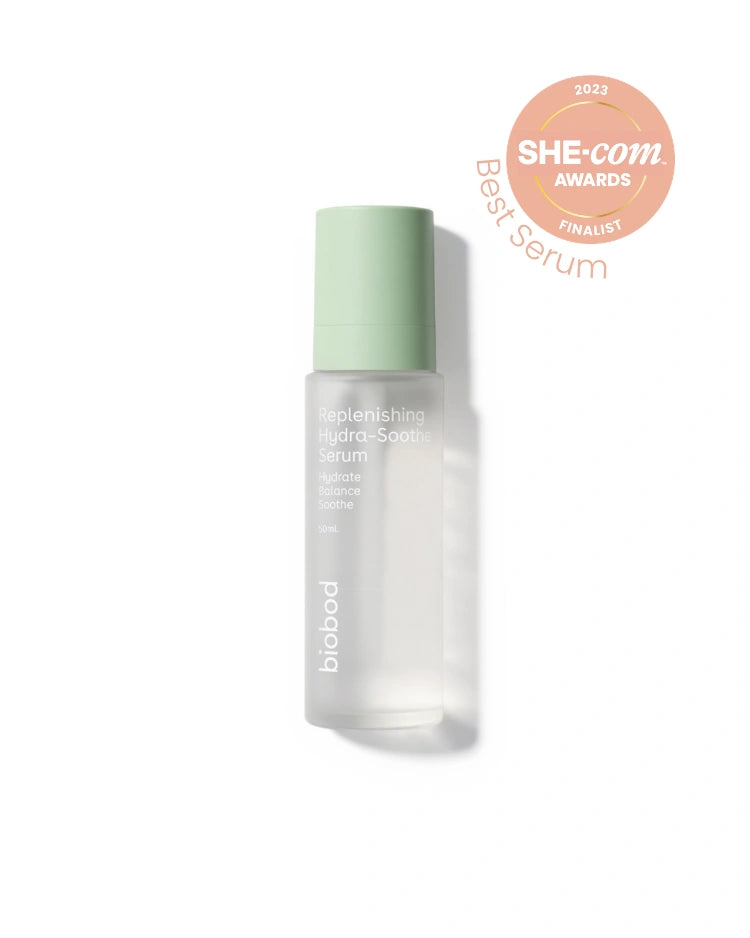
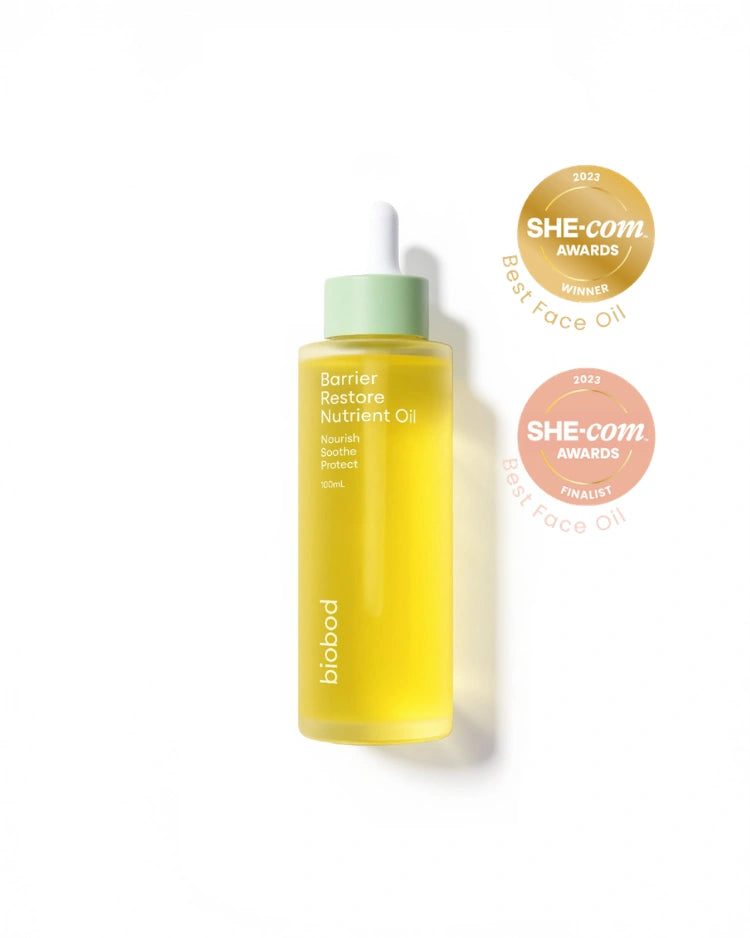
Our Replenishing Hydra-Soothe Serum and Barrier Restore Nutrient Oil are formulated without alcohol denat, SD alcohol, ethanol or isopropyl alcohol, and without fragrance or essential oils. Used together, they make up our Glow Set: Hydrate & Nourish. For more on building a routine, read alcohol-free skincare.
Recommended biobod products
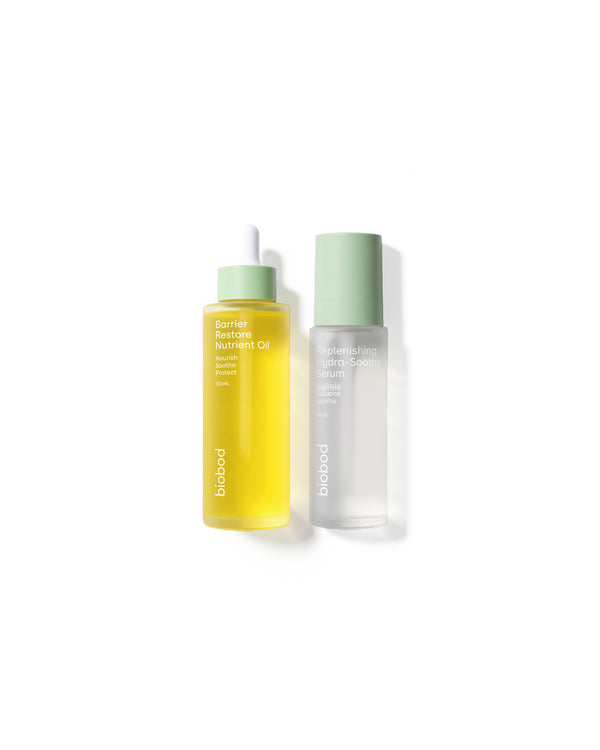

Replenishing Hydra-Soothe Serum
A serum without drying alcohols, built on glycerin and hyaluronic acid.
Shop the serum
Barrier Restore Nutrient Oil
Plant squalane and omega-rich oils to support your barrier.
Shop the oilRelated reading
- Alcohol in skincare: which alcohols dry your skin and which ones help it
- Alcohol-free skincare in Australia: what it really means
- Butylene glycol in skincare: what it is and why it is in your serum
- 10 skincare ingredients to avoid for sensitive skin
- Our ingredient glossary
FAQs
What does alcohol denat mean?
Alcohol denat means denatured alcohol: ethanol with a bitter or unpleasant additive mixed in so it cannot be drunk. In skincare it gives a quick-dry, lightweight finish and helps dissolve other ingredients.
Is alcohol denat the same as rubbing alcohol?
No. Alcohol denat is denatured ethanol. Rubbing alcohol is usually isopropyl alcohol. Both are drying alcohols, and neither is a good choice for cleaning facial skin.
Is a little alcohol denat OK?
For resilient skin, a small amount near the end of an ingredient list is usually fine. If your skin is sensitive, dry or reactive and a product stings or leaves your skin tight, choose one without drying alcohols.
Is t-butyl alcohol good or bad?
T-butyl alcohol is sometimes added in small amounts as part of the denaturing mix in SD alcohol 40. On its own it is not a concern at those levels. The drying effect comes from the ethanol it is mixed with.
Do biobod products contain alcohol denat?
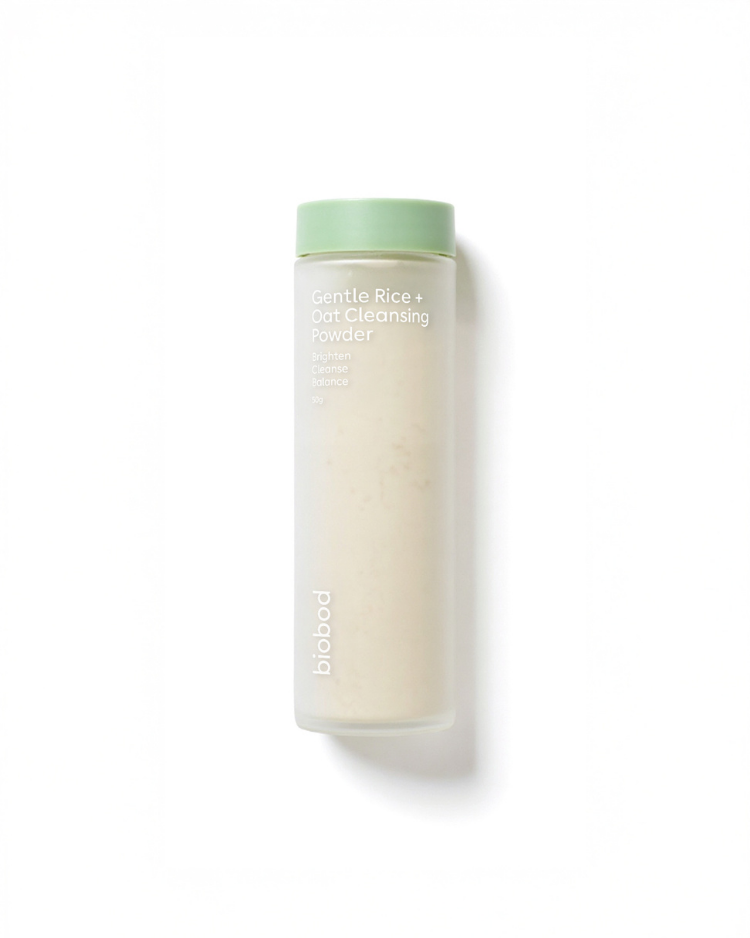
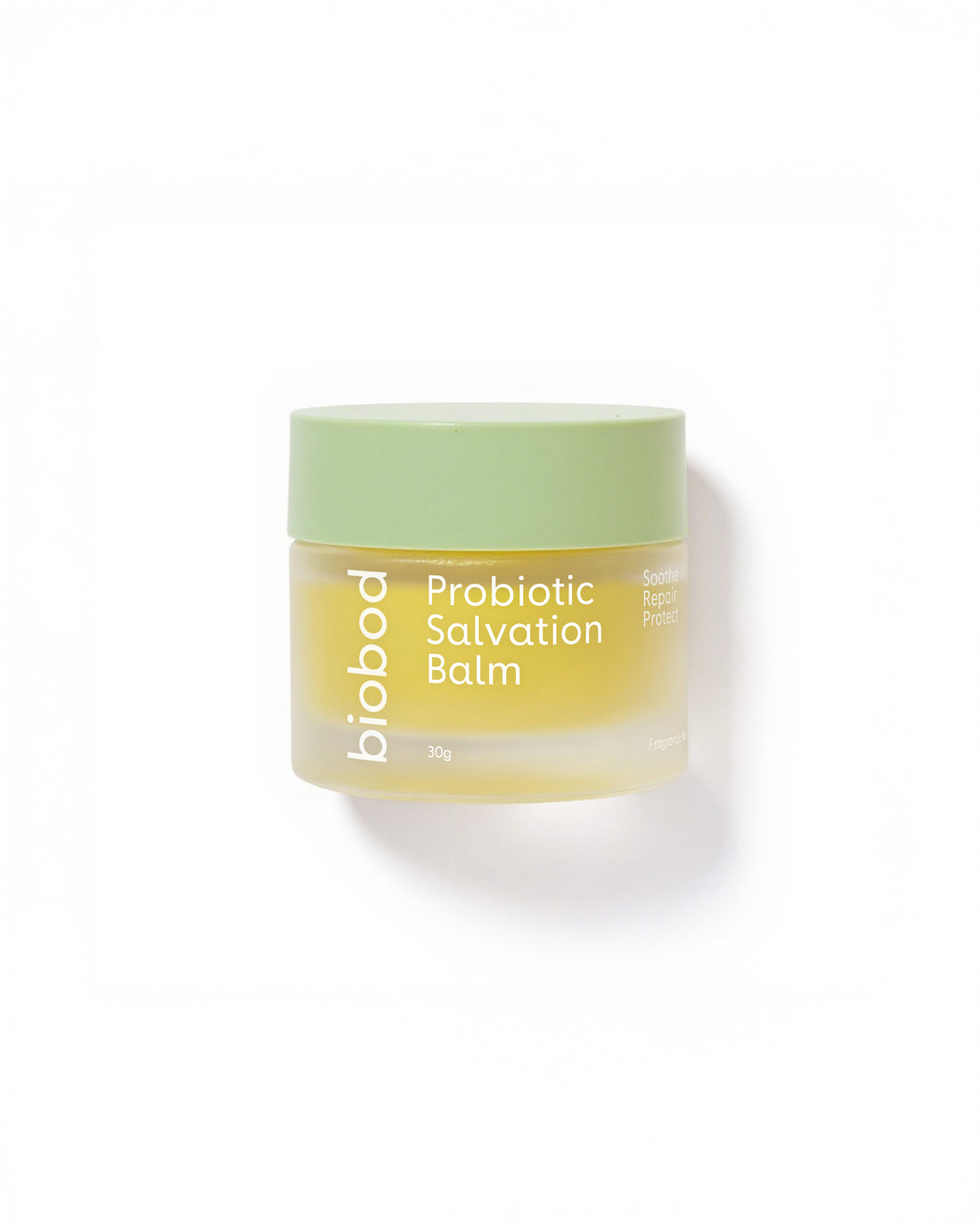
No. Our Cleansing Powder, Hydra-Soothe Serum, Nutrient Oil and Probiotic Balm are formulated without alcohol denat, SD alcohol, ethanol or isopropyl alcohol.
Swap stripping for hydrating
Our Glow Set pairs the Hydra-Soothe Serum with the Barrier Restore Nutrient Oil, both made without drying alcohols, fragrance or essential oils. Backed by our 30-day Happiness Guarantee.
Shop the Glow Set