
Last updated: October 2026 · 10 min read
By Natalie, Founder of biobod
A healthy glow is light reflecting evenly off a smooth, hydrated, calm skin surface. You get it by protecting your skin barrier, keeping skin hydrated, exfoliating gently (or not at all), wearing sunscreen daily, sleeping well and eating plenty of colourful plants. Glass skin is a filtered ideal. A healthy glow is what real skin, with real texture and pores, looks like when it's well looked after.
Key takeaways
- Glow comes from hydration, a smooth skin surface and even tone. Calm skin reflects light better than irritated skin.
- Glass skin is mostly a look created with layering, makeup, lighting and filters. Healthy skin still has pores and texture.
- Over-exfoliating is one of the most common reasons skin looks dull, red and patchy instead of radiant.
- Daily sun protection does more for long-term radiance than any brightening product.
- Sleep, a colourful diet and a simple routine you stick to all show up on your skin.
Table of contents
- What actually makes skin glow?
- Healthy glow vs glass skin: what's the difference?
- How do people get glass skin, and can you do it naturally?
- How to get glowing skin naturally: 7 habits
- How do I exfoliate safely for a glow?
- Which ingredients help skin look brighter?
- What are the benefits of vitamin C in a routine?
- What foods help with glowing skin?
- How do I get a glow if my skin is oily?
- How long does it take to get a healthy glow?
- FAQs
What actually makes skin glow?
Skin glows when its outer layer is smooth, hydrated and even, so light bounces off it rather than scattering. When the surface is dry, flaky, red or uneven, light scatters and skin looks flat or dull.
That's why a glow is really a sign of healthy skin rather than a separate goal. The same things that keep skin comfortable keep it luminous:
- Hydration: well-hydrated skin looks plumper and smoother. Dehydrated skin shows fine dry lines and a papery texture.
- A healthy barrier: a strong skin barrier holds onto water and keeps irritants out, so skin stays calm and even.
- Even tone: redness, sun spots and blotchiness break up the way light reflects.
- Healthy turnover: skin sheds old cells naturally. When that slows or builds up, skin can look dull. When it's forced too hard with scrubs and acids, skin gets raw and reactive.
If you're not sure where your skin sits right now, start with what healthy skin looks like, or check whether you're dealing with healthy skin or damaged skin. Dull skin and a compromised barrier need different approaches.
Healthy glow vs glass skin: what's the difference?
Glass skin describes skin so smooth and dewy it looks almost translucent, like a pane of glass. A healthy glow is softer: skin that looks rested, hydrated and even, with visible texture and pores. One is an aesthetic. The other is a reflection of how your skin is actually doing.
| Healthy glow | Glass skin (the trend) | |
|---|---|---|
| What it looks like | Rested, hydrated, even. Pores and texture still visible. | Poreless, high-shine, near-translucent. |
| Where it comes from | Barrier health, hydration, sun protection, sleep, diet. | Layered hydrating products, plus makeup, lighting and filters in most photos. |
| Typical routine | Three or four steps you can keep doing. | Often seven to ten steps, sometimes with strong exfoliants. |
| Sensitive skin | Well suited. Calm skin is the starting point. | Risky if it leans on acids, scrubs or lots of new products at once. |
| Realistic for most people? | Yes. | As an occasional look, yes. As everyday skin, rarely. |
If you love the dewy look, there's nothing wrong with chasing it gently. Our guide to the best skincare products for glass skin shows how to do it without upsetting sensitive skin.
How do people get glass skin, and can you do it naturally?
The glass skin trend grew out of Korean skincare, which puts hydration, gentle cleansing and daily sun protection first. Those habits are worth borrowing. The poreless finish you see online usually isn't: most of it comes from makeup, ring lights and editing.
The parts of the K-beauty approach that genuinely help skin glow:
- Hydration in layers: a lightweight water-based step, then something richer to hold it in.
- Gentle cleansing: skin is cleaned without being stripped.
- Sun protection every day: treated as non-negotiable, not just a beach habit.
- Consistency: doing the basics every day rather than chasing quick fixes.
The parts worth skipping if your skin is sensitive: stacking several exfoliating products, introducing a long list of new products at once, and any "flawless" or "whitening" framing. Healthy skin comes in every tone, and radiance has nothing to do with being lighter.
How to get glowing skin naturally: 7 habits
You don't need a long routine. These seven habits do most of the work.
1. Cleanse gently
Harsh, foaming cleansers can strip the oils your barrier needs, leaving skin tight and dull. Choose a gentle, low-foam cleanser and use lukewarm water. A powder face wash is a good option if you want a soft polish without a scrub.
2. Hydrate in layers
Apply a water-based hydrating serum to damp skin, then seal it with an oil or moisturiser. Humectants like hyaluronic acid draw water in. Emollients like squalane help keep it there. Skipping the second step is one of the most common hydration mistakes.
3. Exfoliate less than you think
A little exfoliation can lift dullness. Too much leaves skin red, shiny-tight and reactive, which looks the opposite of glowing. More on this below.
4. Protect your skin from the sun every day
UV exposure is the biggest outside cause of uneven tone, sun spots and rough texture. Cancer Council Australia recommends sun protection whenever the UV Index is 3 or above, which in most of Australia is much of the year. That means a broad-spectrum, water-resistant SPF 50 or 50+ sunscreen, reapplied every two hours, plus protective clothing, a hat, shade and sunglasses. biobod doesn't make sunscreen, so choose one you'll happily wear every day.
5. Prioritise sleep
Skin does a lot of its recovery overnight. In one small study, people who slept poorly showed slower barrier recovery and more visible signs of skin ageing than good sleepers. There's a reason beauty sleep is real.
6. Eat the rainbow
Colourful fruit and vegetables contain carotenoids, which build up in the skin. One study found that people who ate more fruit and vegetables over six weeks developed a warmer, healthier-looking skin colour that others rated as more attractive. More on food below.
7. Calm your skin before you try to brighten it
Irritated skin is red, blotchy and uneven, and no brightening product will make it glow. If your skin stings, flushes easily or feels tight, focus on soothing and hydrating first. Glow tends to follow once skin is comfortable again.
How do I exfoliate safely for a glow?
Exfoliate once or twice a week at most, with the gentlest option that works for you, and stop if your skin stings, flushes or feels tight. Sensitive skin often does best with no separate exfoliant at all, relying on a gentle cleanser instead.
Myth
The more you exfoliate, the more you'll glow.
Fact
Over-exfoliating thins out your skin's protective outer layer. Skin can look shiny for a day or two, then turns red, tight and reactive. Real glow comes from a skin surface that's intact and hydrated.
Ways to exfoliate more gently:
- Choose a soft, water-activated powder or a mild enzyme over grainy scrubs.
- Use one exfoliating product at a time. Don't combine acids, scrubs and retinoids in the same routine.
- Patch-test anything new on your jawline for a few days first.
- Always follow with hydration, and keep up sun protection.
If you're choosing a product, our guide to a good facial exfoliator for sensitive skin goes through the options.
Caution: signs you're over-exfoliating
- Stinging when you apply products that never used to sting
- Tight, shiny skin that looks "polished" but feels uncomfortable
- New redness, flaking or small breakouts
- Skin that reacts to water or wind
If this sounds familiar, pause all exfoliants and focus on gentle cleansing and hydration for a few weeks.
Which ingredients help skin look brighter?
Look for ingredients that hydrate, smooth and calm. Those usually do more for radiance than strong actives. Brightening, in this sense, means helping skin look more even and luminous. It's about radiance, never about changing your natural skin tone.
| Ingredient | How it helps your glow | Sensitive-skin note |
|---|---|---|
| Hyaluronic acid, glycerin | Draw water into skin so it looks plumper and smoother. | Generally well tolerated. Seal with an oil or moisturiser. |
| Squalane, jojoba | Soften and smooth the surface and help hold hydration in. | Lightweight and similar to skin's own oils. |
| Colloidal oatmeal, rice bran | Gently cleanse and polish while soothing. | A gentle alternative to scrubs. |
| Centella asiatica | Soothes, so skin looks calmer and more even. | A good fit for redness-prone skin. |
| Niacinamide | Helps skin tone look more even. | Some people flush at higher strengths. Start low. |
| Vitamin C | Antioxidant that helps skin look brighter and more even. | Pure ascorbic acid can sting. Gentler derivatives exist. |
| Antioxidant-rich plant oils and extracts | Help protect skin from everyday environmental stress. | Avoid heavily fragranced or essential-oil-rich blends. |
For a deeper look at protective ingredients, see our guide to the best antioxidants for skin.
What are the benefits of vitamin C in a routine?
Vitamin C is one of the most researched antioxidants in skincare. Applied to skin, it helps protect against everyday environmental stress like UV and pollution, and can help skin tone look more even and radiant over time. It works alongside sunscreen, not instead of it.
For sensitive skin, the form matters. Pure L-ascorbic acid is effective but often formulated at a low pH, which can sting. If you want to try vitamin C:
- Start with a lower strength or a gentler derivative.
- Use it a few times a week before building up.
- Don't add it in the same week as another new active.
- Store it away from heat and light, because it breaks down easily.
Eating vitamin C-rich foods matters too. Your skin relies on vitamin C from your diet, so it's worth covering from both sides.
What foods help with glowing skin?
No single superfood will make your skin glow, but a few food groups are worth eating regularly:
- Orange and red vegetables (carrots, sweet potato, capsicum, tomatoes): rich in carotenoids, linked to a warmer, healthier-looking skin colour.
- Leafy greens (spinach, kale, silverbeet): carotenoids, folate and antioxidants.
- Berries and citrus: good sources of vitamin C.
- Oily fish (salmon, sardines, mackerel): omega-3 fats that support skin's natural oils.
- Nuts and seeds (walnuts, almonds, sunflower seeds): vitamin E and healthy fats.
Fibre-rich foods also feed your gut, and the gut–skin axis is a big part of why diet shows up on your face. For a fuller eating plan, read about an anti-inflammatory diet for skin.
Does drinking water make skin glow? Staying hydrated matters for your overall health, but drinking more water doesn't flood your skin with moisture. How your skin looks depends far more on your barrier holding onto water, which is why topical hydration and a gentle routine matter so much.
How do I get a glow if my skin is oily?
Shine and glow aren't the same thing. Shine is excess oil sitting on the surface. Glow is light reflecting off hydrated, smooth skin. Oily skin can absolutely look radiant. The aim is balance, not stripping.
- Don't over-cleanse. Stripping oil can trigger skin to produce more.
- Still hydrate. Oily skin can be dehydrated. A lightweight water-based serum helps.
- Use light, non-comedogenic oils. Squalane and jojoba are close to skin's own sebum and won't feel heavy.
- Blot during the day rather than washing again.
Not sure if you're oily or combination? Here's how to tell the difference.
How long does it take to get a healthy glow?
Most people notice their skin feels more comfortable and hydrated within a couple of weeks of a gentler routine. Visible changes to texture and radiance take longer, because your skin renews its outer layer gradually over several weeks, and more slowly as we get older. Give any new routine at least four to six weeks before judging it.
Green flags: your routine is working
- Skin feels comfortable, not tight, after cleansing
- Less redness and fewer reactive days
- Makeup sits more smoothly, or you need less of it
- Skin looks rested even without makeup
If your skin stays dull, rough or discoloured despite a gentle routine, or you notice changes like new patches, spots or persistent flaking, see your GP or a dermatologist. Dullness can sometimes reflect something worth checking.
Recommended biobod products
Hydrate & seal

Glow Set: Hydrate & Nourish
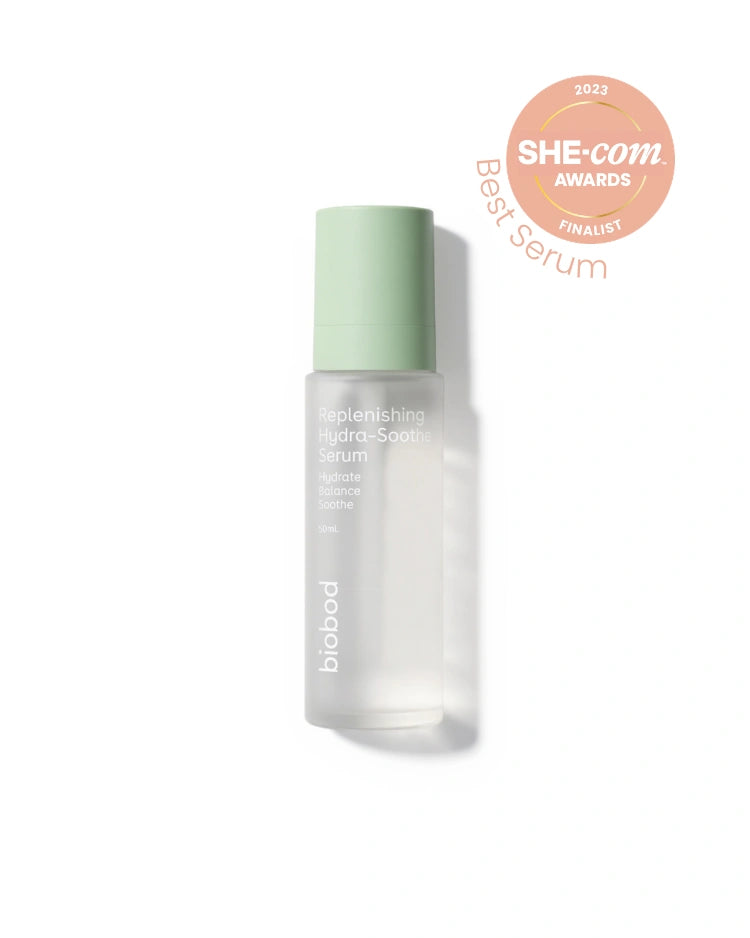
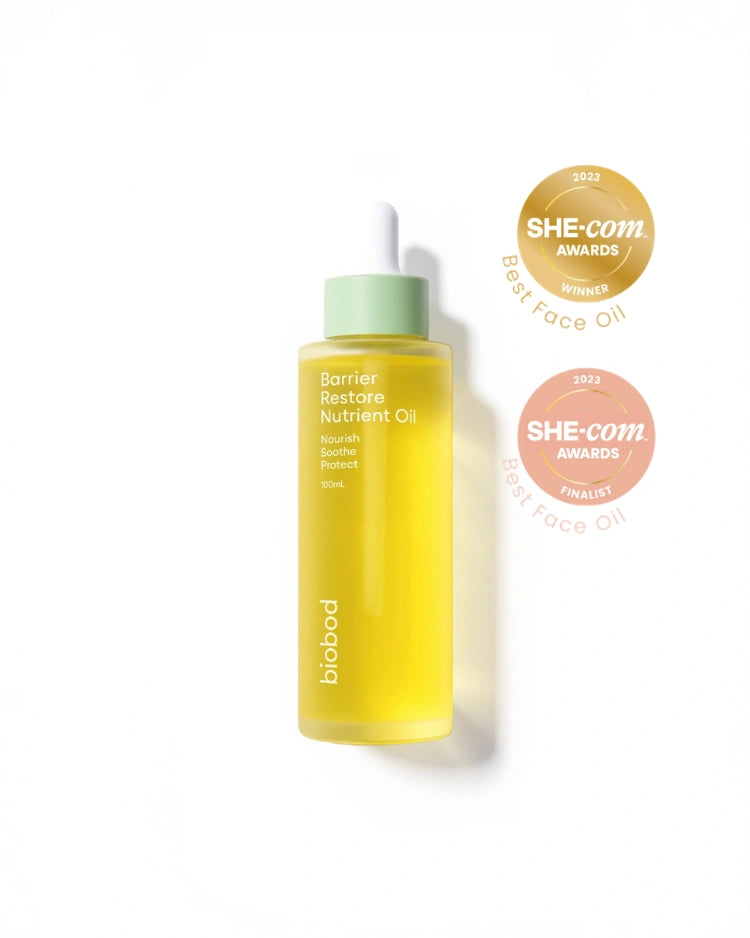
Our two-step glow routine. The Replenishing Hydra-Soothe Serum delivers weightless hydration, then the Barrier Restore Nutrient Oil seals it in with squalane and jojoba.
Shop the Glow SetGentle polish

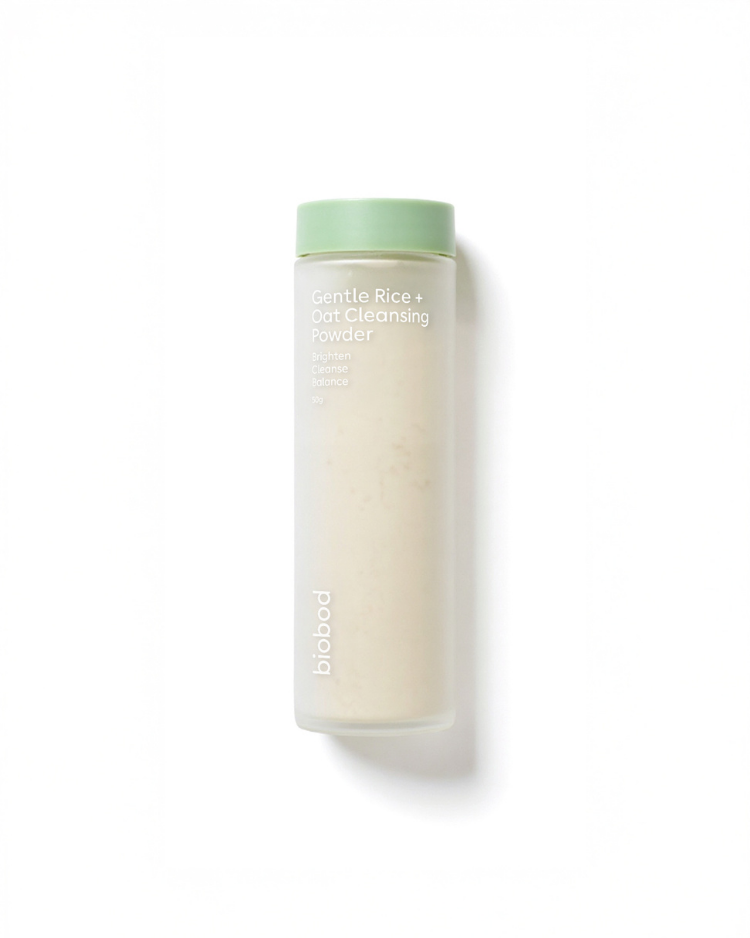
Gentle Rice + Oat Cleansing Powder
A water-activated cleansing powder with colloidal oatmeal, rice bran and turmeric. Cleanses and gently polishes without stripping, for a brighter-looking finish.
Shop the Cleansing PowderTry first

Discovery Set
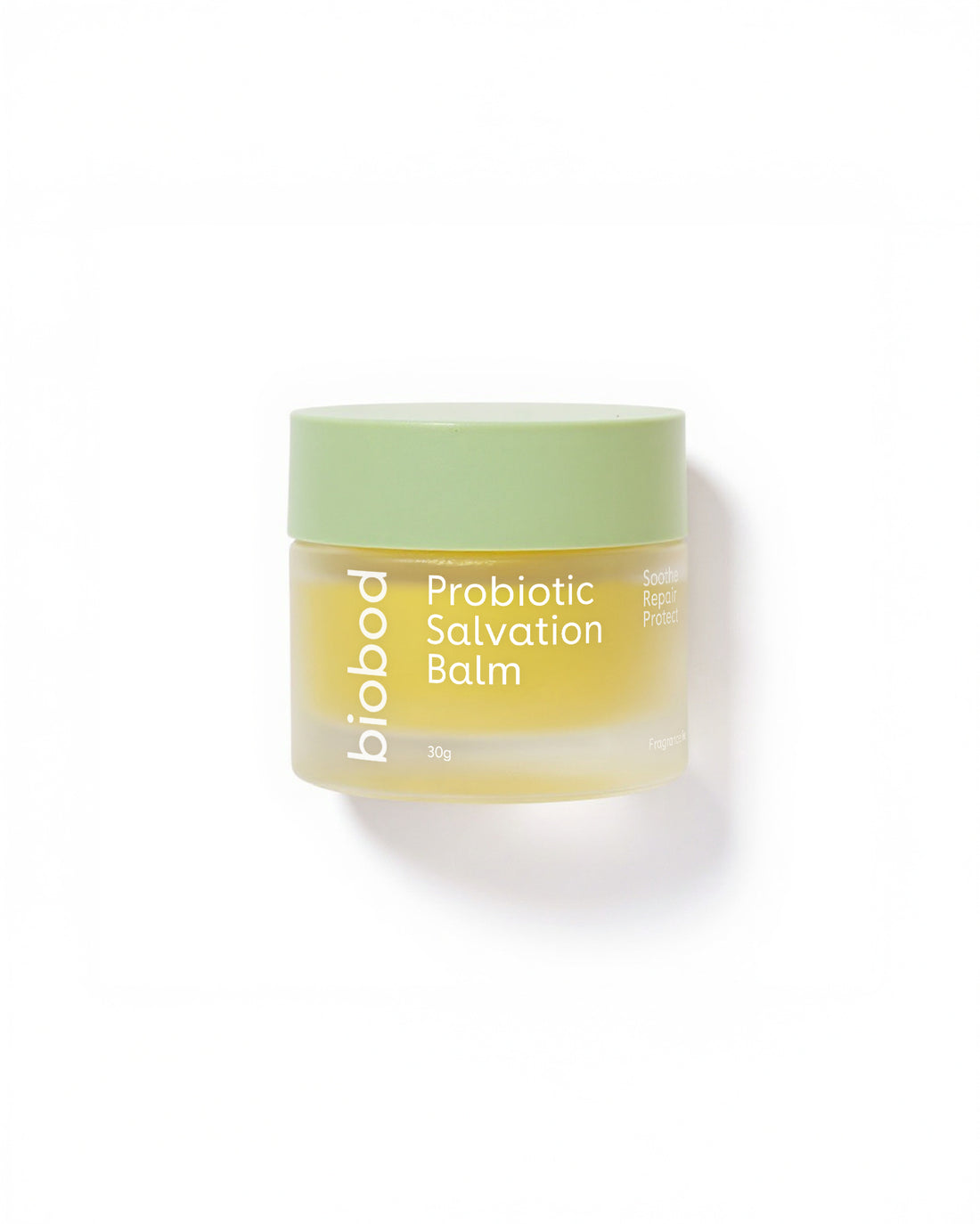
Trial sizes of the cleansing powder, serum, nutrient oil and Probiotic Salvation Balm. Introduce one product at a time and see how your skin responds.
Shop the Discovery SetRelated reading
- How to Get Healthy Skin: The Complete Guide
- What Does Healthy Skin Look Like? Signs of Healthy Skin
- Healthy Skin vs Damaged Skin: How to Tell the Difference
- How to Hydrate Skin Properly
- The Best Skincare Products for Glass Skin
FAQs
Can you get glowing skin naturally?
Yes. Most of a healthy glow comes from habits: gentle cleansing, layered hydration, daily sun protection, enough sleep and a diet rich in colourful plants. Products help, but they work best on calm, comfortable skin.
What's the difference between glowing skin and oily skin?
Glowing skin reflects light evenly because it's hydrated and smooth. Oily skin looks shiny because excess oil sits on the surface, often in the T-zone. Oily skin can still glow when it's balanced and hydrated rather than stripped.
Is glass skin realistic?
As an everyday look, rarely. Healthy skin has visible pores and texture, and most glass skin images involve makeup, lighting or editing. A healthy glow is a more realistic and kinder goal, especially for sensitive skin.
Can sensitive skin glow?
Yes. Sensitive skin often glows more once it's calm, because redness and irritation are what make it look uneven. Focus on soothing and hydrating first, introduce new products one at a time, and keep exfoliation minimal.
How often should I exfoliate for glowing skin?
Once or twice a week at most, with a gentle option. Many people with sensitive skin do well without a separate exfoliant. Stop if your skin stings, flushes or feels tight.
Does drinking water make your skin glow?
Drinking enough water supports your overall health, but it won't hydrate your skin on its own. Skin hydration depends mostly on a healthy barrier holding onto water, so topical hydration and gentle care matter more for how your skin looks.
Start gently
Not sure where to begin? The $25 Discovery Set lets you introduce our cleanser, serum, oil and balm one at a time, so you can see what helps your skin before committing to full sizes.
Try the Discovery SetReferences
- Cancer Council Australia. Preventing skin cancer.
- Cancer Council Australia. How to apply sunscreen.
- Pullar JM, Carr AC, Vissers MCM. The Roles of Vitamin C in Skin Health. Nutrients. 2017;9(8):866.
- Whitehead RD, Re D, Xiao D, Ozakinci G, Perrett DI. You are what you eat: within-subject increases in fruit and vegetable consumption confer beneficial skin-color changes. PLoS ONE. 2012;7(3):e32988.
- Oyetakin-White P, et al. Does poor sleep quality affect skin ageing? Clinical and Experimental Dermatology. 2015;40(1):17–22.