
Last updated: October 2026 · Estimated reading time: 8 minutes
By Natalie, Founder of biobod
Centella and niacinamide are two of the most talked-about ingredients in skincare. They often sit side by side on the same shelf, and sometimes in the same bottle.
So which one is better? Can you use them together? And why do so many people now say their skin does not get along with niacinamide?
Centella and niacinamide do different jobs. Neither is universally better. The right choice depends on what your skin needs right now and how it tends to respond to new products.
This guide compares them side by side, explains how to combine them and helps you work out what to do if niacinamide has not suited you.
Key takeaways
- Centella is a plant extract valued for soothing. Niacinamide is a vitamin that multitasks.
- Neither is better overall. They suit different needs.
- You can use centella and niacinamide together, and many products combine them.
- Some people find niacinamide uncomfortable, particularly at higher strengths or when layered with several actives.
- If niacinamide does not suit you, centella, humectants and a nourishing oil can keep your routine calm and hydrated.
- Introduce one new product at a time so you can see how your skin responds.
Table of contents
- What is centella asiatica?
- What is niacinamide?
- Which is better, centella or niacinamide?
- Can you use centella and niacinamide together?
- Why are people avoiding niacinamide?
- How to tell if your skin doesn't like niacinamide
- What can you use instead of niacinamide?
- Recommended biobod products
- FAQs
What is centella asiatica?
Centella asiatica is a leafy plant, also known as gotu kola, tiger grass and cica. Its key compounds include asiaticoside, madecassoside, asiatic acid and madecassic acid.
In skincare, centella is used to help soothe skin, calm the look of redness and support hydration. It is considered one of the gentler botanical ingredients, which is why it appears so often in formulas made for sensitive skin. Read the full guide to centella asiatica in skincare.
What is niacinamide?
Niacinamide, also called nicotinamide, is a water-soluble form of vitamin B3. It is popular because it does several things at once. In skincare, niacinamide is used to:
- support the skin barrier and help skin hold on to moisture
- help balance the look of oiliness
- help even the look of skin tone
- refine the look of pores
Niacinamide is generally well tolerated and is often used at around 2 to 5% in skincare. Many serums now contain 10% or more, and higher strengths are where some people notice discomfort.
Which is better, centella or niacinamide?
Neither is better overall. They are good at different things. Centella is the gentler, more soothing option. Niacinamide is the multitasker. Here is how they compare:
| Centella asiatica | Niacinamide | |
|---|---|---|
| What it is | Plant extract | Form of vitamin B3 |
| Main role | Soothing and comfort | Multitasking: barrier support, oil balance, tone |
| Hydration | Supports hydration, especially with humectants | Helps skin hold on to moisture |
| Look of redness | Helps calm the look of redness | Can help, though higher strengths may cause flushing in some people |
| Oil balance and pores | Not its main strength | Helps balance the look of oiliness and pores |
| Sensitive skin | Usually very comfortable | Usually fine at lower strengths, but not for everyone |
| Choose it if | Your skin feels reactive, tight, warm or easily upset | Your skin is resilient and oiliness or tone is your focus |
Is centella better than niacinamide for sensitive skin?
For many people with sensitive skin, yes. Centella is a soothing ingredient first and foremost, so it is less likely to leave reactive skin feeling flushed or tingly. That does not mean niacinamide is bad for sensitive skin. Lower strengths in a simple formula suit plenty of people. But if you are unsure, centella is the gentler place to begin.
Myth: More niacinamide means better results.
Fact: Higher percentages are not automatically more effective, and they are where discomfort is more commonly reported. For sensitive skin, a gentle formula used consistently usually beats the strongest one on the shelf.
Can you use centella and niacinamide together?
Yes. Centella and niacinamide are a common pairing, and there is no known reason to keep them apart. In fact, many formulas combine them, using centella to keep the skin comfortable while niacinamide does its multitasking.
If you want to use both:
- Introduce them one at a time. Start with one, use it for a couple of weeks, then add the other. That way you know which product is responsible if your skin reacts.
- Layer from thinnest to thickest. Apply watery serums first, then thicker textures, then seal with a face oil or balm.
- Or split them. Use niacinamide in the morning and centella at night, or the other way around.
- Keep the rest of your routine simple. Avoid adding exfoliating acids and retinoids in the same weeks you introduce something new.
For other combinations, including centella with hyaluronic acid, see our guide to hydrating serums with hyaluronic acid.
Why are people avoiding niacinamide?
Niacinamide was one of skincare's biggest ingredients for years. Now you will see plenty of people saying they have stopped using it. There are a few reasons:
- Higher strengths. As 10% and 20% serums became common, more people reported warmth, flushing, tingling or tightness.
- Doubling up. Niacinamide now turns up in cleansers, toners, serums, moisturisers and sunscreens, so it is easy to apply it several times without realising.
- Crowded routines. Introducing niacinamide alongside acids and retinoids can make it hard to tell which product is causing discomfort.
- A shift to simpler routines. Many people are choosing fewer, gentler products rather than stacking actives.
None of this means niacinamide is a bad ingredient. It means strength, layering and your individual skin matter.
How to tell if your skin doesn't like niacinamide
Signs that niacinamide may not suit your skin include:
- warmth or flushing soon after applying it
- stinging, tingling or itching that does not fade quickly
- skin feeling tighter, drier or rougher than before
- new small bumps or congestion after starting the product
If you notice any of these:
- stop using the product
- simplify your routine to a gentle cleanser, a soothing serum and an oil or balm
- check your other products for niacinamide so you are not doubling up
- if you want to try again later, choose a lower strength and introduce it on its own
Not sure whether your skin is sensitive or has become sensitised? Our guide to sensitive skin vs sensitised skin can help.
What can you use instead of niacinamide?
There is no single ingredient that is "better than niacinamide". Instead, think about what you wanted niacinamide to do, and choose gentler ingredients for that job:
| If you wanted niacinamide for | Gentle alternatives to consider |
|---|---|
| Calm, comfortable skin | Centella asiatica, allantoin, aloe, oat |
| Hydration | Glycerin, sodium PCA, hyaluronic acid, betaine |
| Barrier support | Skin-compatible lipids such as squalane and jojoba, plus a balm for very dry areas |
| A balanced skin environment | Prebiotics and postbiotics, plus a gentle, non-stripping cleanser |
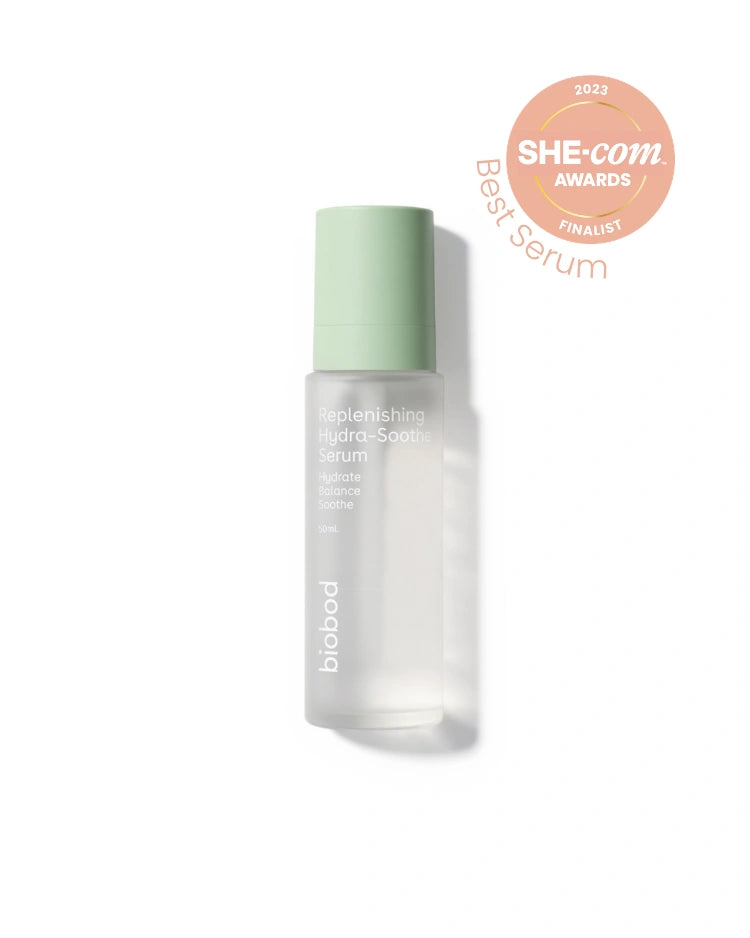
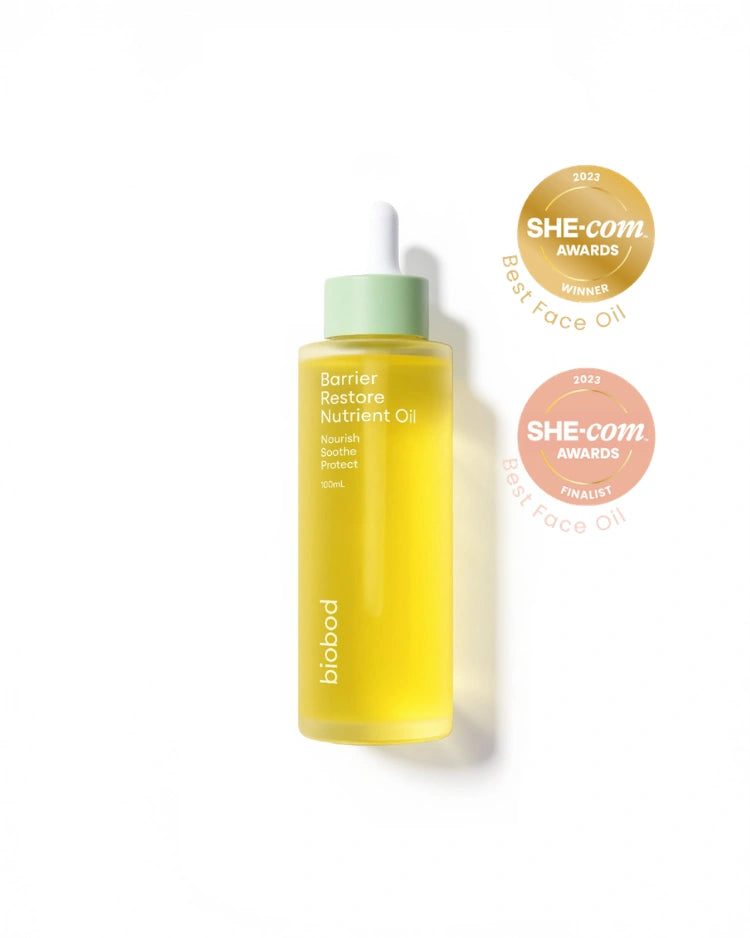
This is the thinking behind our Replenishing Hydra-Soothe Serum. It is niacinamide-free and built around a highly purified centella extract (Redumatte ASC-Ⅱ®), with humectants, soothing botanicals and pre and postbiotics. Follow it with Barrier Restore Nutrient Oil to seal in hydration. Learn more about the best humectants for skin.
Green flag
One leave-on active at a time, a fragrance-free formula and a simple routine you can keep up every day.
Proceed carefully
High-strength niacinamide layered with acids, retinoids or several other niacinamide products.
Recommended biobod products
Niacinamide-free centella
Replenishing Hydra-Soothe Serum

Best for: Reactive or dehydrated-feeling skin that hasn't got along with niacinamide.
A weightless, oil-free, fragrance-free serum with purified centella, hyaluronic acid and pre and postbiotics.
Explore the Hydra-Soothe SerumSeal it in
Barrier Restore Nutrient Oil

Best for: Layering over your serum to help keep hydration in.
A nourishing face oil with skin-compatible lipids for a comfortable finish.
Explore the Nutrient OilStart gently
Discovery Set

Best for: Resetting to a simple routine before adding anything else.
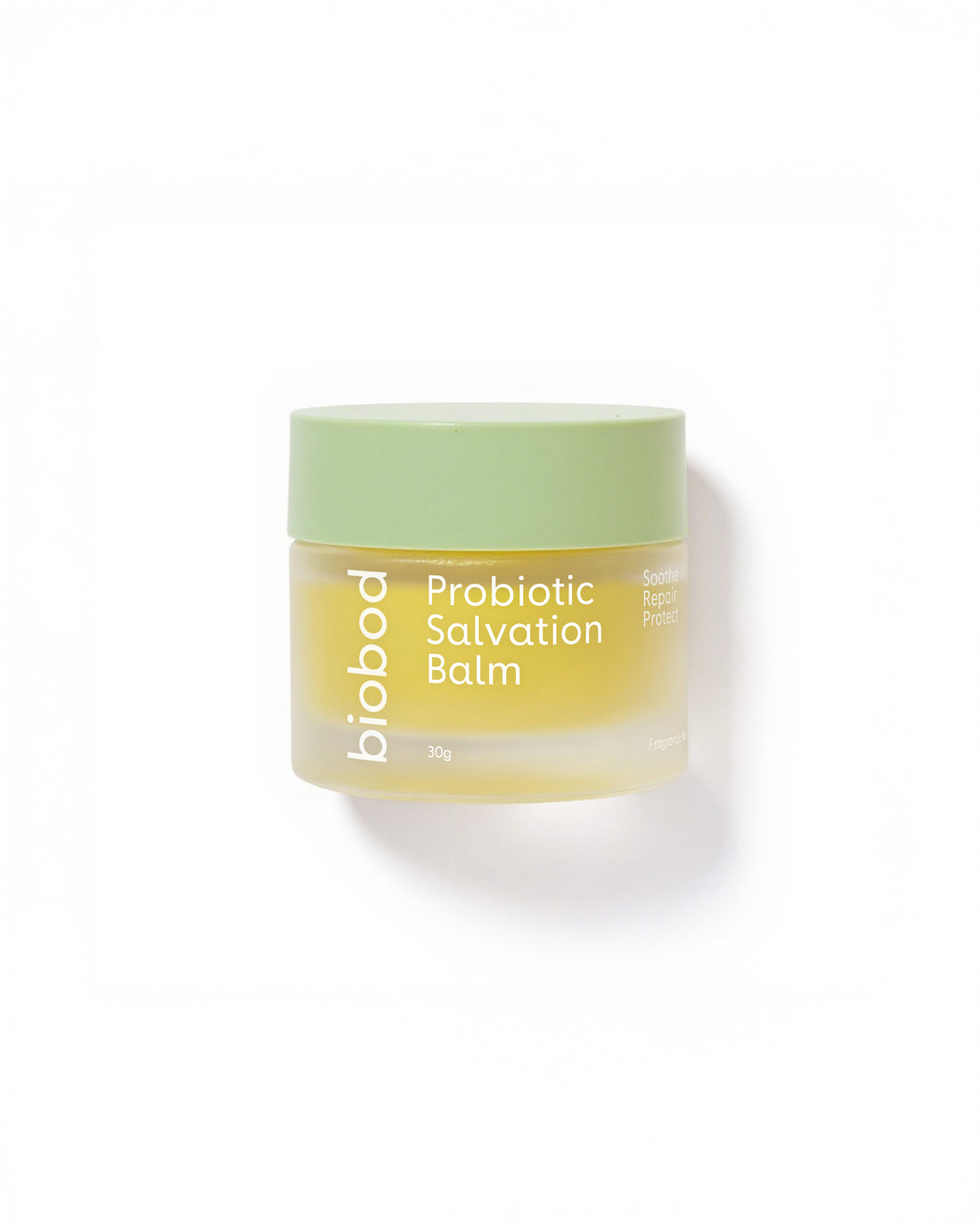
Trial sizes of our cleanser, serum, oil and balm in one low-risk introduction.
Explore the Discovery SetRelated reading
- Centella Asiatica in Skincare: What It Does and Who It Suits
- Centella Asiatica Skincare Products: How to Choose One That's Actually Good
- Sensitive Skin vs Sensitised Skin
- Why Is My Skin So Sensitive All of a Sudden?
- Common Skin Irritants in Skincare
- A Simple Skincare Routine
FAQs
Which is better, niacinamide or centella asiatica?
Neither is better overall. Centella is a soothing botanical that helps skin feel calm and hydrated, while niacinamide is a multitasking vitamin that supports the barrier and helps balance the look of oiliness. For reactive skin, centella is usually the gentler choice.
Can I use centella and niacinamide together?
Yes. They are a common pairing and many products combine them. Introduce them one at a time, layer from thinnest to thickest, or use one in the morning and the other at night.
Is centella better than niacinamide for sensitive skin?
For many people with sensitive skin, yes. Centella is soothing first and foremost, so it is less likely to leave reactive skin feeling flushed or tingly. Lower-strength niacinamide suits plenty of people too, so it comes down to how your skin responds.
What is better than niacinamide?
It depends on why you were using it. For calm, comfortable skin, consider centella, allantoin or oat. For hydration, look for glycerin, sodium PCA and hyaluronic acid. For barrier support, use skin-compatible oils such as squalane and jojoba.
Why are people avoiding niacinamide?
Some people have found high-strength niacinamide serums uncomfortable, and it is easy to double up because niacinamide is now in so many products. Many people are also moving towards simpler routines with fewer actives.
How can you tell if your skin hates niacinamide?
Warmth or flushing after applying it, stinging or itching that does not fade, skin that feels tighter or rougher, or new small bumps can all be signs. Stop the product, simplify your routine and see your GP or a dermatologist if discomfort continues.
Is it bad to use niacinamide every day?
Not for most people. Niacinamide is generally well tolerated at lower strengths. If your skin feels uncomfortable, try a lower percentage, check you are not using it in several products, or use it less often.
Does biobod's Replenishing Hydra-Soothe Serum contain niacinamide?
No. The serum is niacinamide-free. It is built around a highly purified centella asiatica extract with hyaluronic acid, soothing botanicals and pre and postbiotics.
Keep it calm and simple: Try our niacinamide-free Replenishing Hydra-Soothe Serum, or start with the Discovery Set to reset to a gentle routine.
References
- Gehring W. Nicotinic acid/niacinamide and the skin. Journal of Cosmetic Dermatology. 2004;3(2):88–93.
- Oakley A. Nicotinamide. DermNet. 2018.
- Bylka W, Znajdek-Awiżeń P, Studzińska-Sroka E, Brzezińska M. Centella asiatica in cosmetology. Postępy Dermatologii i Alergologii. 2013;30(1):46–49.
This article is general information about cosmetic skincare and is not medical advice. If you have a persistent or unusual skin concern, please speak with your GP or a dermatologist.