
Last updated: October 2026 · 10 min read
By Natalie, Founder of biobod
You can improve your skin naturally, and most of what helps costs nothing: gentle cleansing with lukewarm water, enough sleep, less stress, a diet full of plants, not picking, and shade and covering up when you're outside. Your skin is designed to look after itself. The one product we'd never skip in Australia is sunscreen, and if your skin is dry or sensitive, a simple moisturiser or face oil helps too. Many popular home remedies, like lemon juice and baking soda, do more harm than good.
Key takeaways
- Your skin has its own built-in care system: a protective barrier, natural oils, an acidic surface and a microbiome.
- Free habits like sleep, stress management, gentle cleansing and a plant-rich diet make a visible difference.
- "Natural" doesn't mean gentle. Lemon juice, baking soda, undiluted vinegar and neat essential oils can all irritate skin.
- On a budget, you only need three things: a gentle cleanser, something to moisturise and sunscreen.
- Using fewer products is often the fastest way to calmer, healthier skin.
Table of contents
- Can you improve your skin naturally?
- How do I make my skin healthier? 8 natural habits
- Can you have healthy skin without skincare products?
- Which home remedies are safe for skin, and which should you skip?
- How to maintain healthy skin on a budget
- A simple, natural routine to start with
- How long does it take to see a difference?
- FAQs
Can you improve your skin naturally?
Yes. Your skin is built to maintain itself, and when you stop getting in its way, it often looks and feels better quickly. The habits with the biggest impact are free, and a lot of skin problems come from doing too much rather than too little.
Healthy skin already has everything it needs to do its job:
- A barrier of skin cells and lipids that holds water in and keeps irritants out.
- Natural oils (sebum) that soften the skin and help waterproof it.
- An acidic surface, often called the acid mantle. Natural skin surface pH averages around 4.7, which helps keep the barrier and its friendly bacteria balanced.
- A microbiome of microbes that live on your skin and help keep it calm.
Natural skincare, in the truest sense, means protecting these systems. Harsh cleansers, hot water, scrubs and too many active products all wear them down. That's why the first step to healthy skin is usually taking things away, not adding them.
How do I make my skin healthier? 8 natural habits
These habits cost little or nothing and support your skin from the inside and outside.
1. Wash with lukewarm water, not hot
Hot water dissolves the natural oils your barrier depends on, which is why long hot showers leave skin tight and itchy. Keep showers short and warm, wash your face with lukewarm water, and pat dry rather than rubbing.
2. Cleanse less, and more gently
Most people only need to cleanse once or twice a day. In the morning, a splash of water is often enough. Avoid foaming cleansers and soaps that leave your face squeaky, because that squeak is your skin's oils being stripped away. Here's how to cleanse sensitive skin without upsetting your barrier.
3. Keep your hands off
Picking, squeezing and constant touching spread bacteria, cause inflammation and can leave marks that last much longer than the original spot. Change your pillowcase regularly and clean your phone screen too.
4. Sleep seven to nine hours
Skin does much of its recovery overnight. In one study, good sleepers recovered from barrier disruption about 30% better than poor sleepers. Beauty sleep is real.
5. Manage stress
Psychological stress slows the skin barrier's ability to recover. Researchers found that students' skin barriers recovered more slowly during exam periods than after holidays. A daily walk, breathing exercises or anything that genuinely helps you unwind is good for your skin as well as your mind.
6. Eat plenty of plants and healthy fats
Colourful fruit and vegetables, oily fish, nuts, seeds, legumes and wholegrains give your skin the building blocks it needs. Fibre also feeds your gut microbes, and the gut–skin axis means that often shows up on your skin. Our guide to an anti-inflammatory diet has more ideas.
7. Move your body, and don't smoke
Regular movement supports circulation and helps manage stress. Smoking does the opposite: it reduces blood flow to the skin and exposes it to thousands of chemicals. Going easy on alcohol helps too, since it tends to leave skin dehydrated and flushed.
8. Use shade, clothing and hats
Sun exposure is the biggest outside cause of uneven tone, rough texture and sun spots. Cancer Council Australia recommends sun protection whenever the UV Index is 3 or above: protective clothing, a broad-brimmed hat, shade, sunglasses and a broad-spectrum, water-resistant SPF 50 or 50+ sunscreen. Shade, clothing and hats are free and don't wear off.
Want to go further? Our 10 holistic ways to support your skin covers movement, stress and identifying your personal triggers in more depth.
Can you have healthy skin without skincare products?
Some people can, especially if their skin is naturally resilient and they don't spend much time in the sun. For most people in Australia, though, a completely product-free approach isn't realistic, because daily sunscreen is essential. Dry or sensitive skin also usually needs some help holding onto water.
| What your skin does on its own | Where a little help is worth it |
|---|---|
| Produces oils to soften and protect the surface | Dry, mature or air-conditioned skin often needs a moisturiser or face oil to top up those oils |
| Sheds old skin cells naturally | A gentle cleanser removes sunscreen, makeup and grime without stripping |
| Keeps its surface slightly acidic | Choose cleansers close to skin's natural pH instead of alkaline soaps |
| Produces some pigment in response to UV | Not nearly enough protection on its own. Daily sunscreen is non-negotiable in Australia |
| Maintains a balanced microbiome | Fewer harsh products means less disruption to it |
What about skin fasting? Skin fasting means stopping most or all of your products for a while. A short break can help skin that's been overloaded with actives, because it gives the barrier space to settle. It isn't a long-term plan, there's little research behind it, and you should never stop sunscreen. A gentler version that works for most people is to strip back to a simple skincare routine and stay there.
Which home remedies are safe for skin, and which should you skip?
A few kitchen ingredients can be gentle on skin. Many popular DIY remedies are too acidic, too alkaline or too abrasive, and can leave skin red, raw or burnt.
Myth
If it's natural, it's gentle.
Fact
Plants contain some of the strongest irritants around. Lime and lemon juice on skin, followed by sun exposure, can cause a blistering, sunburn-like reaction. Natural and gentle aren't the same thing.
| Remedy | Verdict | Why |
|---|---|---|
| Oatmeal bath or paste | Generally gentle | Finely ground (colloidal) oats are a well-known skin soother. See colloidal oatmeal benefits. |
| Cool compress | Generally gentle | A clean, cool cloth can make hot, flushed skin feel more comfortable. |
| Raw honey mask | Patch test first | Honey is a natural humectant and usually well tolerated, but some people react to it or to pollen traces. |
| Pure aloe vera gel | Patch test first | Feels soothing for many people, but some react to it. Check store-bought gels for added fragrance and alcohol. |
| Coconut oil on the face | Use with caution | Fine for dry body skin, but heavy and pore-clogging for many faces, especially breakout-prone skin. |
| Lemon or lime juice | Skip | Very acidic, and contains compounds that react with sunlight and can cause burns and dark marks. |
| Baking soda | Skip | Strongly alkaline, so it disrupts skin's naturally acidic surface and its barrier. |
| Toothpaste on spots | Skip | Contains flavours, detergents and other ingredients that commonly irritate facial skin. |
| Undiluted apple cider vinegar | Skip | Acidic enough to sting and irritate, particularly on sensitive skin. |
| Sugar or salt scrubs on the face | Skip | Sharp, uneven granules can scratch delicate facial skin. |
| Neat essential oils | Skip | Highly concentrated and a common cause of irritation and allergy. Read more on essential oils and skin. |
Caution: how to patch test
Apply a small amount to the side of your jaw or inner arm once a day for three to five days. If you notice redness, itching, stinging or bumps, rinse it off and don't use it on your face. Never use DIY remedies on broken, burnt or very irritated skin.
Not sure what's irritating your skin? Our guide to common skin irritants lists the usual suspects in products too.
How to maintain healthy skin on a budget
You don't need an expensive or long routine. Spend on three essentials, skip the extras, and let free habits do the rest.
Worth spending on:
- A gentle cleanser. Low-foam, fragrance-free and close to skin's natural pH. A cleanse bar that works on face and body can replace two products.
- Something to moisturise. A simple moisturiser, face oil or balm, depending on your skin. Dry skin may need more. Oily skin may need very little.
- Sunscreen. Broad-spectrum SPF 50 or 50+ that you like enough to wear every day. The best sunscreen is the one you'll actually use.
Usually safe to skip:
- Toners and mists you don't notice a difference from
- Multiple serums doing similar jobs
- Face scrubs and at-home peels
- Products bought on impulse because of a trend
Ways to make products go further:
- Use multitaskers. One balm can cover dry lips, dry patches and rough elbows.
- Use the right amount. A few drops of face oil or a pea-sized amount of serum is usually enough.
- Finish before you buy. Swapping products constantly costs more and unsettles your skin.
- Try before you commit. Trial sizes stop you paying full price for something that doesn't suit you.
A simple, natural routine to start with
This routine works for most skin types and keeps products to a minimum.
| Morning | Evening |
|---|---|
| 1. Rinse with lukewarm water, or cleanse gently if your skin feels oily | 1. Cleanse gently to remove sunscreen and the day |
| 2. Moisturise if your skin feels tight or dry | 2. Moisturise or apply a few drops of face oil |
| 3. Sunscreen, SPF 50 or 50+ | 3. Balm on lips or dry patches if needed |
If your skin is dry, our tips on how to retain moisture in skin naturally will help. If you're adding anything new, introduce one product at a time and give it a week or two before adding the next.
How long does it take to see a difference?
Many people notice their skin feels calmer and less tight within one to two weeks of cleansing more gently and cutting back on products. Changes in texture and overall look take longer, usually four to six weeks or more, because skin renews its outer layer gradually.
Green flags: your skin is getting healthier
- Your face feels comfortable after washing, not tight
- Products stop stinging when you apply them
- Fewer red or reactive days
- You need less moisturiser to feel comfortable
If your skin is persistently red, itchy, flaky, painful or breaking out despite a gentle routine, see your GP or a dermatologist. Some skin concerns need professional advice, and natural habits work best alongside it.
Recommended biobod products
Face & body

Calming Balance Cleanse Bar
A soap-free, fragrance-free cleanse bar made to suit skin's natural pH, with colloidal oats and centella. One bar for face and body, with no plastic bottle.
Shop the Cleanse BarMultitasker

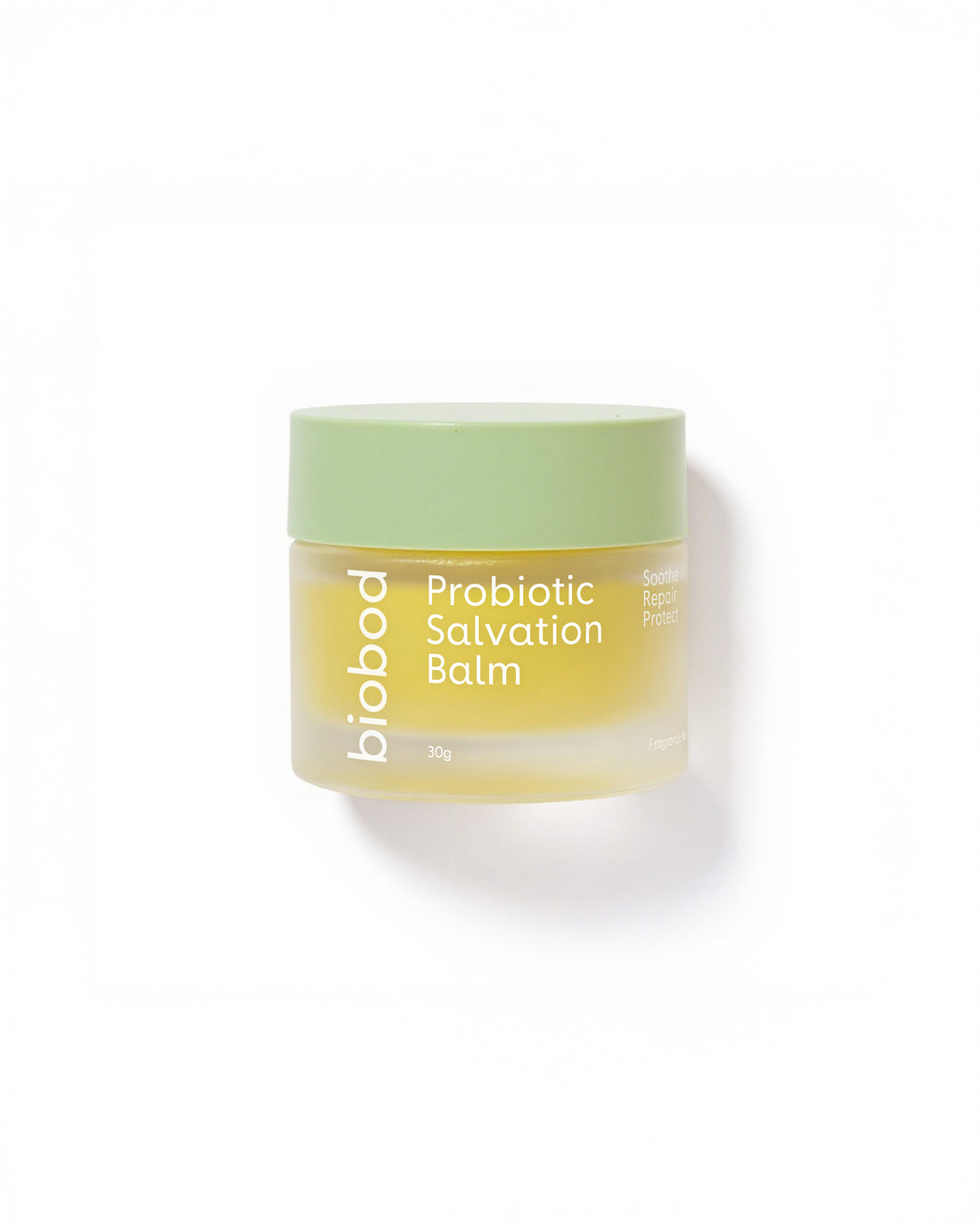
Probiotic Salvation Balm
One balm for dry lips, dry patches, elbows and heels. Made with lanolin and a probiotic ingredient to soothe and nourish very dry skin, for the whole family.
Shop the BalmTry first

Discovery Set
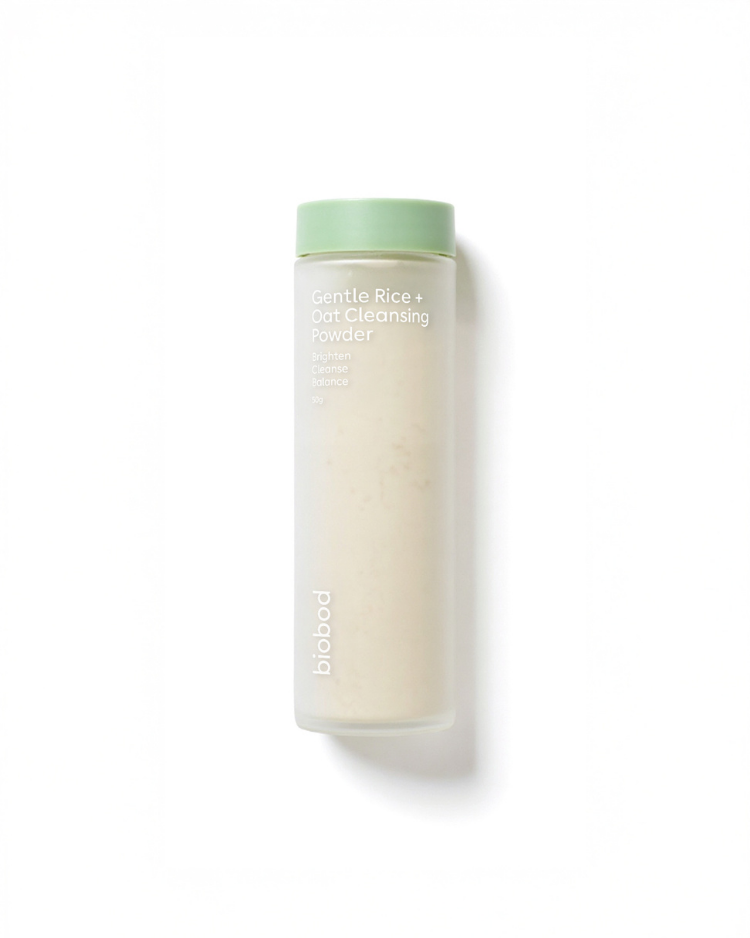
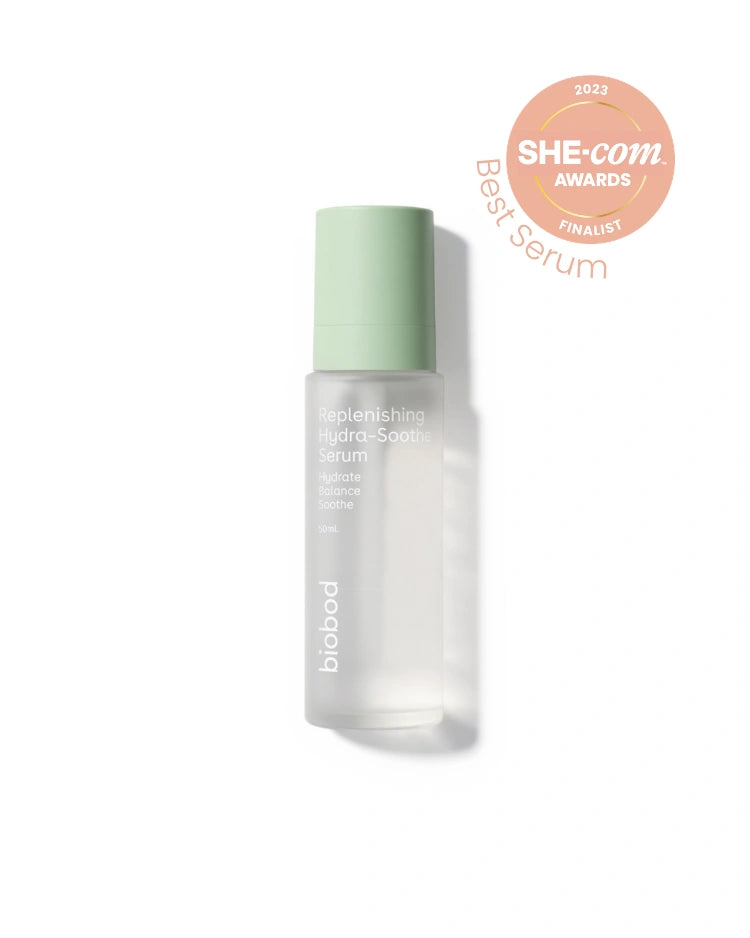
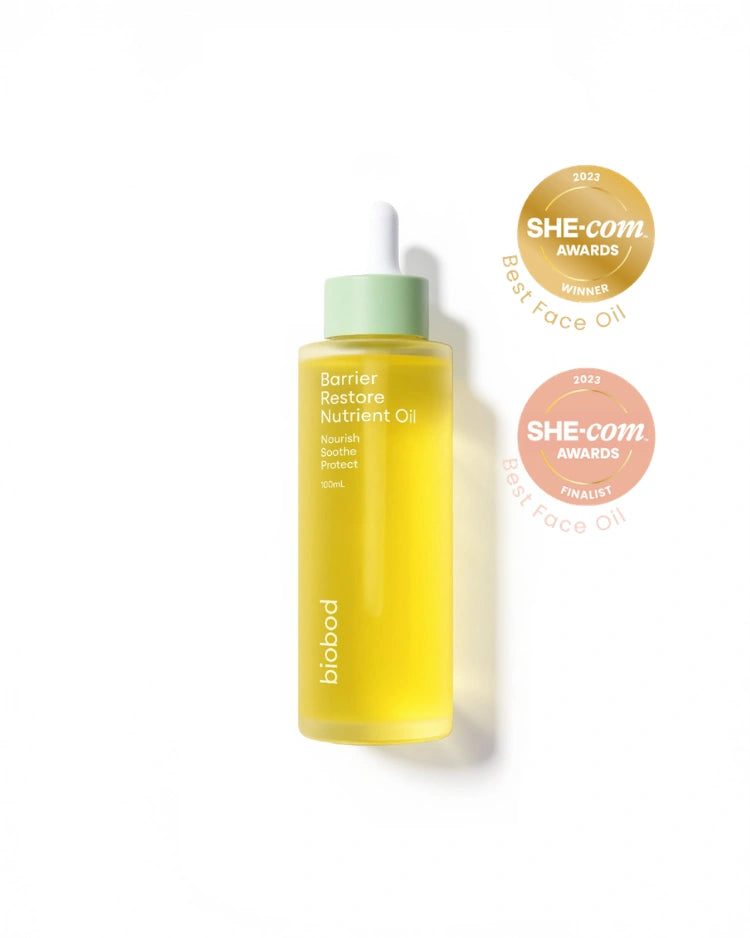
Trial sizes of our cleansing powder, serum, nutrient oil and balm. Introduce one product at a time and see what your skin actually needs before buying full sizes.
Shop the Discovery SetRelated reading
- How to Get Healthy Skin: The Complete Guide
- What Does Healthy Skin Look Like? Signs of Healthy Skin
- Healthy Skin vs Damaged Skin: How to Tell the Difference
- Why the Friend With Perfect Skin Has the Simplest Skin Care Routine
- The Gut–Skin Axis, Explained
FAQs
How can I make my skin healthier naturally?
Cleanse gently with lukewarm water, sleep seven to nine hours, manage stress, eat plenty of plants and healthy fats, avoid picking, and protect your skin from the sun with shade, clothing, a hat and sunscreen. Using fewer, gentler products also helps your skin's natural barrier do its job.
Can I have healthy skin without using any skincare?
Some people with naturally resilient skin manage with very little. In Australia, though, daily sunscreen is essential, and most people benefit from a gentle cleanser and something to moisturise. A minimal routine is a more realistic goal than none at all.
Is skin fasting good for your skin?
A short break from products can help skin that's been overloaded with actives settle down, but there's little research behind it and it isn't a long-term plan. Never stop wearing sunscreen. For most people, cutting back to a simple routine works better than stopping everything.
Is lemon juice good for your skin?
No. Lemon juice is very acidic and contains compounds that react with sunlight, which can cause burns, blistering and dark marks. It's one of the home remedies best avoided.
What's the cheapest way to look after your skin?
Focus on free habits like sleep, gentle cleansing and sun-safe behaviour, then spend only on three essentials: a gentle cleanser, something to moisturise and sunscreen. Choose multitasking products, use the right amount, and finish products before buying new ones.
Does diet really affect your skin?
Yes. A diet rich in fruit, vegetables, healthy fats and fibre gives skin the nutrients it needs and supports your gut, which is linked to skin health. One study found that eating more fruit and vegetables gave skin a healthier-looking colour within six weeks.
Start small
Keeping it simple doesn't have to mean guessing. The $25 Discovery Set lets you try our cleanser, serum, oil and balm one at a time, so you only buy what your skin actually needs.
Try the Discovery SetReferences
- Lambers H, Piessens S, Bloem A, Pronk H, Finkel P. Natural skin surface pH is on average below 5, which is beneficial for its resident flora. International Journal of Cosmetic Science. 2006;28(5):359–370. PubMed.
- Garg A, Chren MM, Sands LP, et al. Psychological stress perturbs epidermal permeability barrier homeostasis. Archives of Dermatology. 2001;137(1):53–59. doi:10.1001/archderm.137.1.53.
- Oyetakin-White P, et al. Does poor sleep quality affect skin ageing? Clinical and Experimental Dermatology. 2015;40(1):17–22.
- Whitehead RD, Re D, Xiao D, Ozakinci G, Perrett DI. You are what you eat: within-subject increases in fruit and vegetable consumption confer beneficial skin-color changes. PLoS ONE. 2012;7(3):e32988.
- Snaidr VA, Lowe PM. Phytophotodermatitis from lime juice. Medical Journal of Australia. 2017;207(8):328.
- Cancer Council Australia. Preventing skin cancer.